The Taliban’s Deputy Prime Minister for Economic Affairs has established a commission titled the “Economic Assistance Commission,” comprising 18 government entities. This commission conducts periodic meetings to evaluate the proposals and plans of investors in various sectors, granting activity licenses after review. According to sources, this commission operates based on investors’ plans for constructing high-rise buildings and other facilities of interest to them.
Sources have reported that allocating state-owned land for high-rise construction and the indiscriminate demolition of public facilities, including hospitals, cultural and historical institutions, cinemas, and other infrastructures of interest to investors, is on the agenda. Economic mafias, in collusion with corrupt Taliban factions, have reportedly presented construction projects and sold state properties and public facilities at the cheapest price as low as the price of a kilogram of “potatoes”! The Stomatology Hospital, Rabia Balkhi Hospital, and the land of the Baihaqi Directorate of the Ministry of Information and Culture are among the properties handed over to private investors for constructing commercial high-rises.
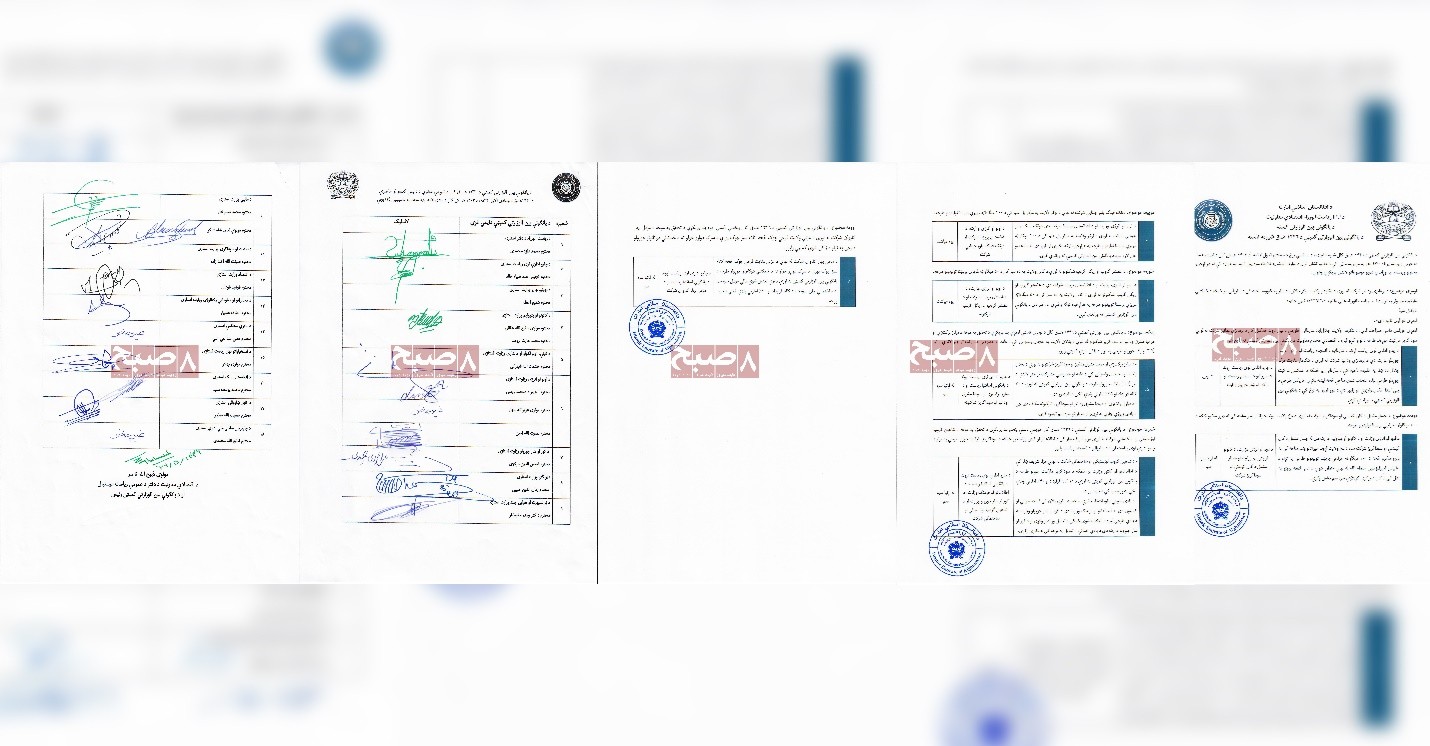
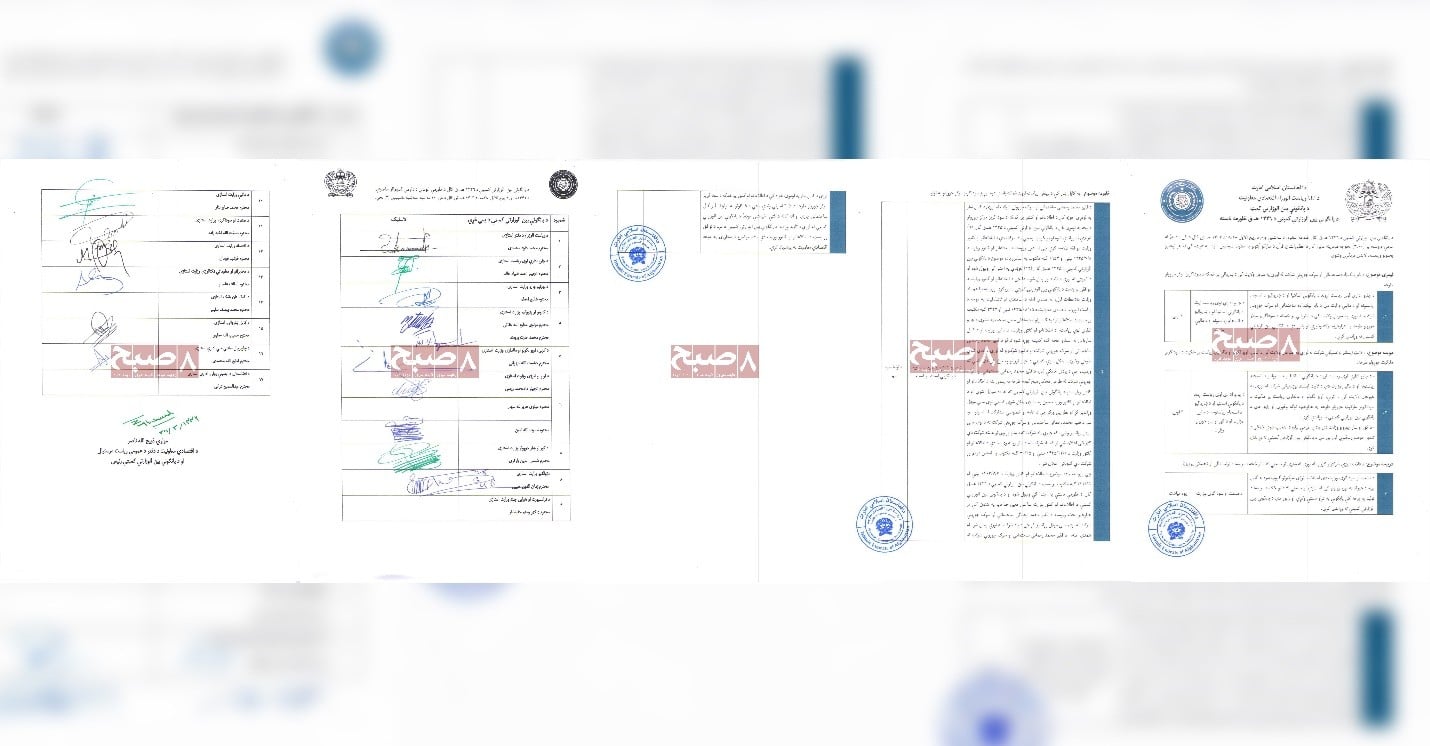
Decisions from the third and fourth sessions of this commission indicate that the land belonging to the Baihaqi Directorate and the two hospitals will be demolished and replaced with commercial high-rises. These hospitals, located in central Kabul, are the only public facilities offering health services to residents of Kabul and other provinces and should be expanded rather than demolished.
In the commission’s third and fourth decisions, the land of these two hospitals is valued at 80,000 Afghanis per square meter. Furthermore, in the sixth decision, the commission approved the allocation of land belonging to the Department of Information and Culture in Balkh Province, designated for a library and mourning hall in the municipality’s master plan, for constructing a high-rise.
The commission stated that the hospitals would be rebuilt in other locations. However, sources have disclosed that several rented houses in remote areas of Kabul will likely be used for these hospitals, with no plans for reconstruction.
The Gulbahar Company, owner of the renowned Gulbahar Center in Kabul, has reportedly submitted the project for constructing high-rises on the sites of Stomatology and Rabia Balkhi Hospitals. However, sources claim that the land for these hospitals was handed over to the company at the lowest possible price similar to the price of a kilogram of “potatoes”!
Economic mafias aligned with the Taliban intend to erase public properties and facilities with cultural significance in cities, according to sources. They allege that the land mafia is eyeing state-owned lands and that relationships within the Taliban’s economic commission aim to obliterate the country’s cultural and historical values.
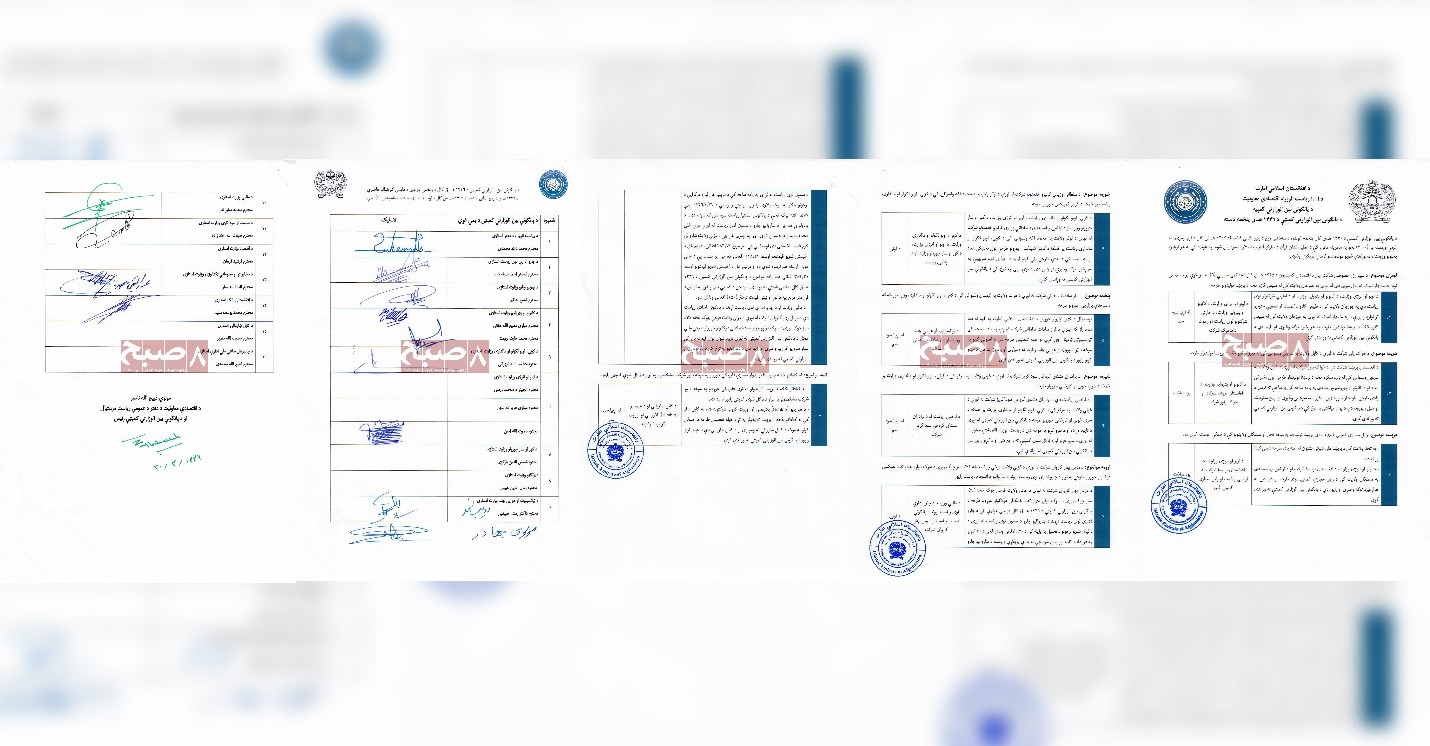
The Taliban commission has issued multiple decisions in its meetings. According to these, several public properties and state facilities have been handed over to private companies for constructing high-rises and other commercial establishments. Based on the sixth decision of the Taliban’s commission, the “Burhanzai Construction Company” has been approved to build a commercial high-rise in District 4 of Jalalabad, Nangarhar Province.
Sources have revealed that this inter-ministerial commission, in collusion with corrupt factions within the Taliban, has not supported plans for establishing joint markets with neighboring countries. The commission dismissed the creation of joint markets, citing no benefit to the Taliban regime.
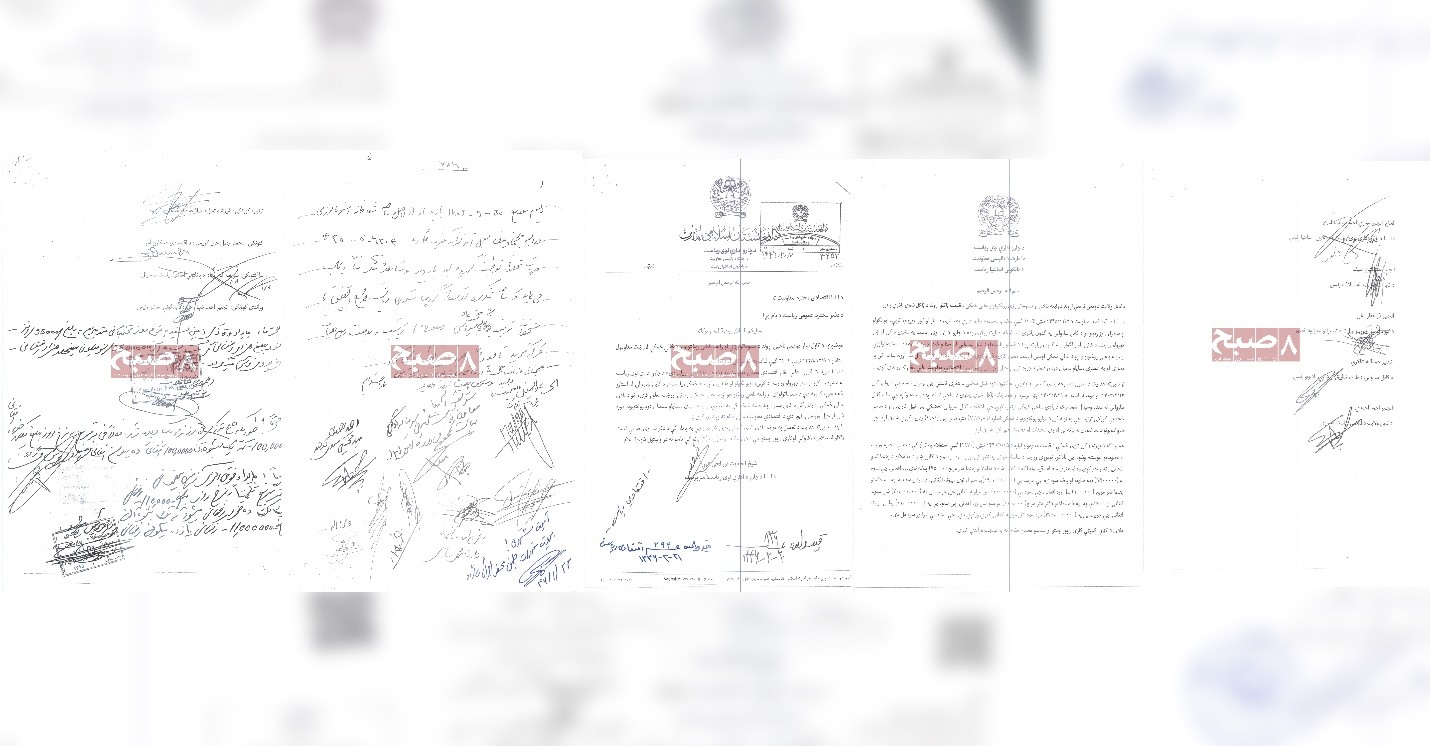
A proposal by the “Sadat Soltani Company” to establish a market on the Ministry of Agriculture and Livestock’s land in the border area of Kohsan District, Herat Province, and Iran, was rejected by the commission and stated that it is not beneficial to the Islamic Emirate of the Taliban. Instead, the commission suggested that the company build a transportation terminal in the area and submit its detailed plan to the Ministry of Transport and Aviation.
Additionally, the commission approved a proposal by “Faqir Mohammad Rahmani Construction and Road-Building Company” to allocate the Baihaqi Directorate land of the Ministry of Information and Culture for establishing a commercial center. The “Shahin Logistics and Construction Company” also plans to build a commercial market on the land of the Information and Culture Directorate in Mazar-e-Sharif, Balkh Province.
The “Khanzada Global Group of Companies (KGGC)” proposed building a vegetable market on 14 acres of state-owned land in District 3 of Ghazni City. Previously, residents of Ghazni accused the Taliban of neglecting the province’s cultural and historical heritage, with reports that the Taliban’s Ministry of Defense had recognized part of the ancient area’s land as its property and allocated at least 300 acres for constructing a vegetable market for an individual close to the group.
The Taliban had earlier demolished Khair Khana Cinema, transferring its property to a construction company to build a commercial market, mosque, and residential blocks. The cinema, built decades ago, was considered a historical and artistic monument.
In a recent move, the Taliban’s economic commission decided to demolish the ‘Jumhoriat Market’ in Kabul. Shopkeepers reported to the media that this action was taken in collusion with the land mafia and the Taliban’s municipality, expressing concerns about losing their jobs and the ability to support their families.
Meanwhile, a special meeting of the Taliban’s economic commission, chaired by Hibatullah Akhundzada, the group’s Supreme Leader, was held in Kandahar yesterday. The Taliban’s Economic Deputy released a statement announcing that the Supreme Leader addressed various issues, including human hair burning, allocating land for industrial towns, imports and exports, and reforming bad customs and traditions.
The statement revealed that the Taliban allocated 20,000 acres of land in Nangarhar, Kandahar, and Balkh Provinces for industrial areas and 10,000 acres for Kunduz. For the remaining provinces, excluding Kabul, Nangarhar, Kandahar, Balkh, and Kunduz, each province was allocated 1,000 acres. For small industries, 10 to 50 acres were designated in each province. Akhundzada also ordered that lands along highways designated for mosque construction be handed over to the private sector.
You can read the Persian version of this daily report here:
زمینها و تاسیسات دولتی در قبضه مافیای اقتصادی؛ طالبان زنگ چور را به صدا درآوردهاند | روزنامه ۸صبح