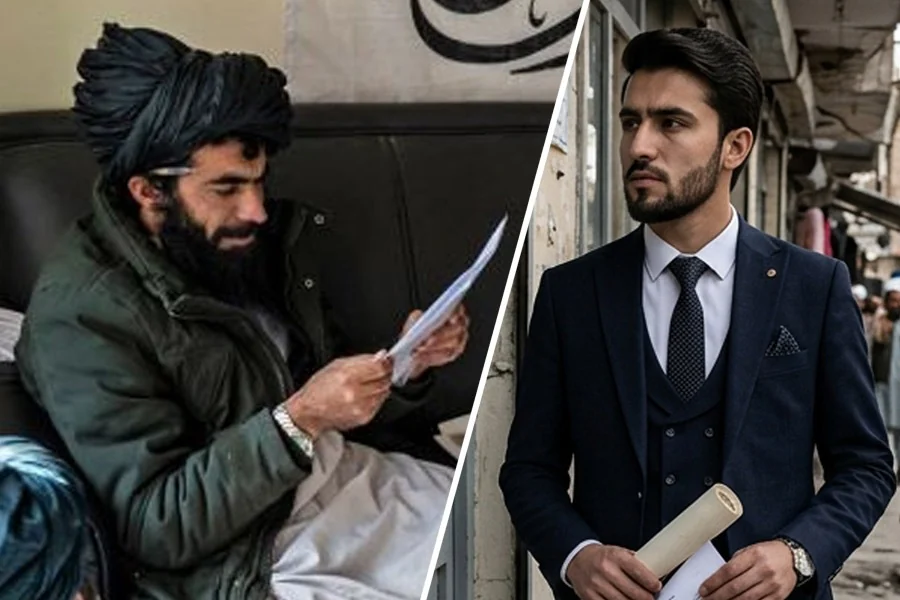
Several citizens of Afghanistan say job opportunities have shrunk since the Taliban retook control of the country. They cite the Taliban’s discriminatory and ethnocentric policies as factors that have worsened unemployment and narrowed access to work. According to these citizens, growing poverty and unemployment have forced educated young people and graduates of reputable universities to apply for positions such as cook, gardener, guard, and driver. They add that young people face difficulty even in securing these limited opportunities, and that in some cases, people with no education or professional skills are preferred over educated applicants for service positions.
In the view of these citizens, the continuation of this situation has increased economic pressure on families and reduced the hope of many young people for building a better future in Afghanistan. They also point to a lack of transparency in the hiring process, and to personal connections being favored over expertise and merit, as factors limiting job opportunities.
Ahad Saberpour sits in his small room, surrounded by several books on economics, financial management and monetary markets, silently scrolling up and down the “Akbar” job-search website, hoping to find work. Each time, his searches come to nothing.
A resident of Ghazni, he is a graduate of the Faculty of Economics at Kabul University, but he has not managed to find a job since the day he received his degree. He says unemployment has plunged him into economic hardship, and that the strain of being unable to find work has also affected his mental health.
“I sat an exam for a government position related to my field, but the Taliban called me an infidel and said that people who trim their beards cannot work here. I am myself a Qari and a Hafiz of the Quran, but after the Taliban took control, everything in our lives changed. In my search for work, I even applied for gardening and service positions so that I could earn a living through lawful means, but no job opportunity was given to me in these areas either,” he says.
Hassan, a resident of Panjshir, describes the steadily rising unemployment in the country as alarming. He says that because of the lack of job opportunities, many young people have been forced into non-specialized, low-paying work. According to this Panjshir resident, brokerage-driven hiring and ethnocentrism within Taliban institutions, and even in some private offices, play a major role in keeping young people from job opportunities.
He adds: “I have seen with my own eyes that graduates of Kabul University are unemployed. This does not mean they lack ability, but rather that no job opportunity is made available to them. In many cases, people who have ties to the Taliban, or whose relatives hold influence in ministries and government offices, are appointed to posts even without the necessary expertise and experience. As a result, the workload of several employees falls on the shoulders of qualified staff, while at the same time other qualified people remain jobless. Most of the senior and high-paying positions are also held by those who have connections with government officials.”
Shah Lutfi, a resident of Kabul, says the absence of suitable working conditions in Afghanistan is not a new phenomenon, but that limited job opportunities and economic pressure have forced educated young people to turn to work unrelated to their field of study and expertise.
This Kabul resident says: “The lack of suitable working conditions in Afghanistan has existed in the past and has especially caused difficulties for young people. Limited job opportunities and the economic pressure on families have forced many people to accept any work they can find, even if it has no connection to their field of study and expertise. I have seen young people who graduated from reputable universities but are engaged in construction work to cover their families’ expenses. If this situation continues, it may push some young people to abandon their studies or migrate to other countries in search of better job opportunities.”
Nasir, another resident of Kabul, says rising unemployment and falling incomes have made the economic situation of families more difficult. He adds that many people, even those who previously had an income, are now facing economic problems, and that a number of them are going to Iran and Pakistan to find work.
Nasir says: “Business in the country has become very sluggish, and people are facing economic worries. The economic situation of families has become so difficult that many people, even drivers and those who previously had an income, are now struggling with serious economic problems. People go to Iran and Pakistan to find work. A few days ago, a friend of mine went to Iran for work, but he was sent back from the border. The economic situation of the people has become very bad, and many of them do not even earn 100 Afghanis a day. People in Afghanistan are facing unemployment, aimlessness, and poverty.”
Sulaiman, a resident of Laghman, says the lack of job opportunities in Afghanistan has forced people to migrate to neighboring countries in search of work. He believes that if work opportunities were created inside the country, people would not be compelled to migrate to other countries to cover their living expenses.
Sulaiman says: “A few days ago, a friend of mine was heading to Iran for work, but on the way he came across the bodies of people who are said to have been killed there. He was frightened by the sight and returned to Afghanistan. People know that the Iranian police shoot at migrants and beat them, but because of the lack of job opportunities in Afghanistan, they are still forced to go to Iran. No one wants to put their life at risk, but when there is no work available in the country, people are forced to accept the dangers of the migration route.”
These citizens’ complaints come as Afghanistan’s economy continues to face serious constraints. In its 2025 report, the World Bank said nearly one-quarter of Afghanistan’s young people are unemployed, and that many young people who do have jobs face low pay, fewer working hours, and employment that does not match their level of education.
Meanwhile, according to the 2026 Afghanistan Humanitarian Needs and Response Plan (HNRP), about 21.9 million people, equal to nearly 45 percent of the country’s population, need humanitarian assistance. Of these, 17.5 million people are targeted to receive aid.
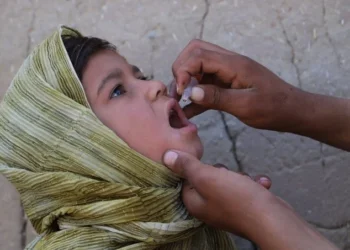
At the same time, food insecurity and malnutrition remain among Afghanistan’s other serious challenges. According to 2026 estimates, about 17.4 million people in the country face acute food insecurity, and nearly 3.7 million children under the age of five suffer from acute malnutrition.
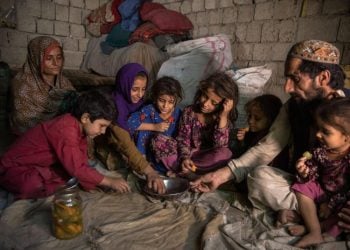
In such circumstances, the lack of job opportunities and stable income has increased economic pressure on families and driven a number of citizens to look for work outside the country. However, the accounts of these citizens show that unemployment, beyond its economic hardships, has also affected the educational and professional future of young people.
You can read the Persian version of this report here:
بیکاری و طالبسالاری؛ دانشآموختهگان حتا در یافتن کارهای خدماتی ناکام هستند