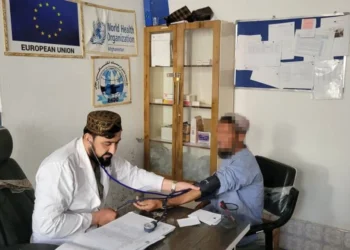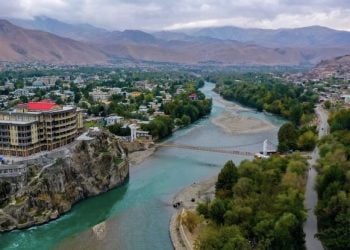
A number of residents in the border areas of Badakhshan province have complained about a shortage of health centers, a lack of specialist doctors, and limited access to medicine. They say that because of the lack of medical facilities, some patients are forced to travel to Tajikistan at great cost to obtain medicine and health services. According to these residents, difficult travel, long routes, and the lack of necessary means to transport patients have seriously hampered access to medical care, and in some cases patients die before reaching health centers. They also stress that in remote areas of Badakhshan, the difficulty of the roads, the long distance from medical centers, and families’ economic inability to pay for treatment are among the most important factors limiting people’s access to health services.
Raziq (pseudonym), a resident of Badakhshan province, says that most districts of the province face a shortage of medicine and a lack of treatment centers, and that residents of many areas have no access to health services. According to him, the lack of roads and the poor economic situation have doubled people’s problems.
This Badakhshan resident says: “Badakhshan is one of the remote and difficult-to-access provinces of Afghanistan and has 28 districts. Most of these districts face a shortage of medicine, and their residents have no access to hospitals. For example, the five districts of Darwaz face a lack of proper roads, and in some areas only one medical center operates with one nurse and one doctor, and it does not even have medicine. These areas have been struggling with health problems for years, and mothers and children lose their lives because of the lack of medical facilities. Two years ago, in the Kuran wa Munjan district, 17 mothers died because of the lack of access to a hospital, medicine, and proper roads.”
Raziq adds: “The shortage of health facilities has made women particularly vulnerable. Illnesses that are treatable in their early stages become more severe because of the lack of timely care, and patients are forced to go to Kabul or other countries for treatment. The high cost of treatment forces families to sell their land and livestock. Families without financial means are deprived of treatment, and some patients lose their lives or live with illness for years. Despite repeated requests from residents to establish medical centers and provide quality medicine in remote areas, these problems have still not received the necessary attention. The districts of Zebak, Darwaz, Raghistan, and Argo are among the districts facing a severe shortage of medical services.”
Ayesha (pseudonym), another resident of Badakhshan province, expressed concern about people’s living conditions in the remote areas of the province, saying that the lack of hygiene supplies and health services is one of the serious problems affecting the lives of many families. According to her, in a number of remote areas of Badakhshan, the difficulty of the roads, the long distance to health centers, families’ poor economic situation, and the shortage of medical facilities have seriously complicated people’s access to basic health services.
This Badakhshan resident says: “This situation is especially worrying for women, girls, children, and low-income families. Women and girls do not have sufficient access to essential hygiene supplies, including personal hygiene products and menstrual hygiene products. Likewise, patients who must travel long distances to receive even the most basic medical services face heavy travel and treatment costs, which places even more economic pressure on families.”
Ayesha adds: “In the mountainous areas of Badakhshan, snowfall and road closures also make access to health centers more difficult, a situation that can have serious consequences for pregnant women and children. Our demand is that the health situation of people in the remote areas of Badakhshan receive more attention than before. Providing essential hygiene supplies, distributing needed medicine, equipping health centers, deploying specialist health workers, supplying safe drinking water, and supporting low-income families should be made a priority of support programs.”
Nazanin (pseudonym), a resident of Badakhshan province, expressed concern about the shortage of doctors and health workers in most districts of the province, saying that because of the lack of medical facilities and the difficulty of transporting patients to health centers, a number of them die before reaching the hospital.
This Badakhshan resident says: “Because of economic problems, many patients give up continuing treatment for their illnesses. In villages, women face serious risks during childbirth, because in the absence of a hospital and specialist health workers, they do not even receive first aid. In such circumstances, because of the lack of proper roads and the long distance to medical centers, several mothers die before reaching the hospital. This problem is not limited to remote districts. In Faizabad city, the capital of Badakhshan province, people also face a shortage of doctors, especially female doctors. According to her, the resignation of several doctors and the hiring of less experienced doctors in their place have heightened concerns about people’s access to health services.
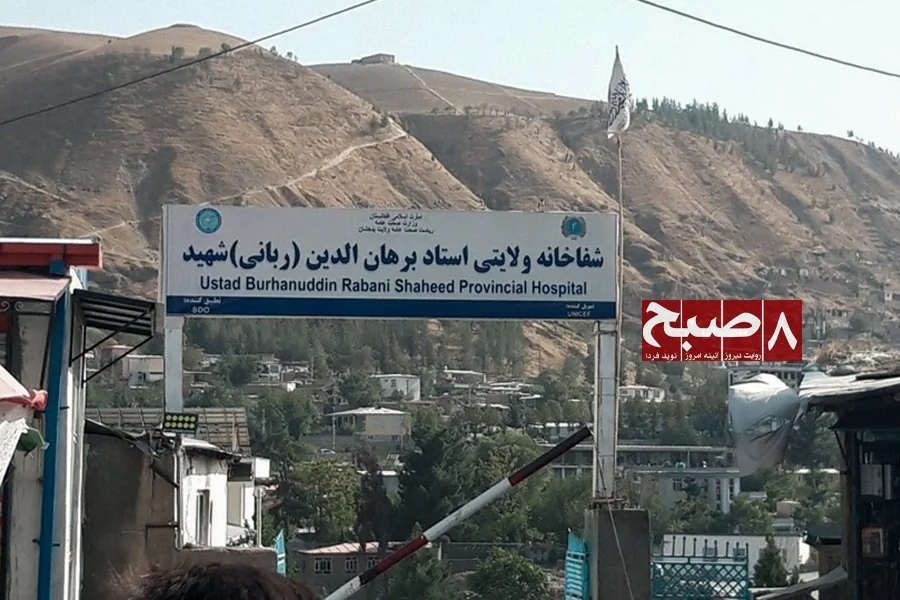
This comes as last month a number of Badakhshan residents expressed deep concern about the poor state of health service delivery in the province. They added that for about a year, an organization called the Sanayee Development Organization (SDO) has been responsible for providing health services in the province, but is not fulfilling its responsibilities properly.
However, sources in the province, speaking to the Hasht-e Subh Daily, had expressed concern about the abuse of resources and the relationship between this organization and the Taliban in Badakhshan. They accused the head and some members of the organization of abuse and said that the Taliban’s head of public health supports the organization because he has rented three of his vehicles to it. Credible sources have claimed that the head and some members close to him sexually abuse some health workers who are in vulnerable circumstances.
Earlier, residents of Badakhshan had also said with concern that the delivery of health services in the province has fallen close to zero and that the Badakhshan provincial hospital is on the verge of paralysis. According to them, some implementing organizations are seeking to increase expenses and draw more from the budget, and as a result, both the quality of services and the work process have declined.
You can read the Persian version of this report here:
کمبود خدمات صحی در ولسوالیهای دوردست بدخشان؛ بیماران از دسترسی به درمان محرومند