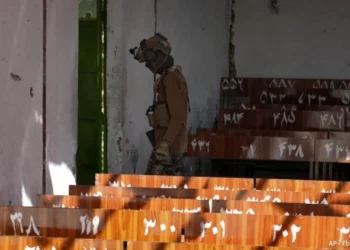

The Taliban have intensified restrictions against Shia Muslims by banning the import of Shia religious books and prayer texts into Afghanistan. Pilgrims returning from Karbala have voiced concerns over the Taliban’s harsh treatment and the prohibition on transferring these religious materials at border crossings. They report that during book collections, the Taliban insult Shia followers, calling them “polytheists and infidels.” The Taliban also confiscate all religious books they consider contradictory to Hanafi jurisprudence from educational and university libraries, and this practice continues.
Several Karbala pilgrims have complained about the Taliban’s actions and the ban on transferring Shia religious books and prayer texts. They explain that after spending significant sums to purchase these materials during their visits to Shia holy sites in Iran and Iraq, they face confiscation and derogatory treatment at the Islam Qala border crossing.
Some pilgrims have shared with the Hasht-e Subh Daily that the Taliban use harsh and offensive language while collecting religious books. These pilgrims say the Taliban refuse to acknowledge Shia religious freedoms and continually mock their religious practices and rituals.
Abdul Hussain (pseudonym), a recent pilgrim returning from Karbala, has voiced serious concerns about the Taliban’s behavior at the Islam Qala border crossing in Herat province. He reports that the Taliban show little respect for Shia religious beliefs and practices. He explains, “The Taliban thoroughly searched everyone entering from Iran, both men and women. They even inspected clothing and bags for religious books and prayer texts, offering no explanation other than that bringing books was forbidden.”
Another anonymous pilgrim describes how the Taliban confiscated his religious books and labeled him a “polytheist and infidel,” subjecting him to insults and humiliation. He recounts, “They searched all of us pilgrims, seized two volumes of books from my suitcase, and threw away a pocket-sized prayer book. When I tried to protest, they used extremely offensive language, calling me a polytheist, infidel, and enemy of the religion.”
This pilgrim initially believed that such behavior might not reflect the Taliban’s official policy and could be the actions of individual members. He approached a Taliban official at Islam Qala to explain the situation, only to encounter even harsher treatment. He says, “I spoke to a more organized Taliban official who was sitting in a corner with a communication device. He refused to listen to my concerns and claimed I had been treated well. He reiterated that bringing Shia religious books into the country was prohibited and insulted me further.”
Over the past three years, the Taliban have imposed severe restrictions on Shia religious ceremonies, removed Ja’fari jurisprudence from universities, and barred followers of this sect from visiting pilgrimage sites. Additionally, the Taliban have annulled the Personal Status Law for Shia Muslims, enacted in 2008, which had allowed Shia Muslims to handle legal, religious, and procedural matters according to Ja’fari principles.
The Council of Shia Scholars has repeatedly raised concerns with Taliban officials about preserving Ja’fari jurisprudence and upholding the Personal Status Law. Despite these appeals, the Taliban have ignored their demands and imposed even more restrictions.
You can read the Persian version of this daily report here:
بیکاری و افزایش کودکان کار؛ کودکان از ناگزیری وادار به کارهای شاقه میشوند | روزنامه ۸صبح