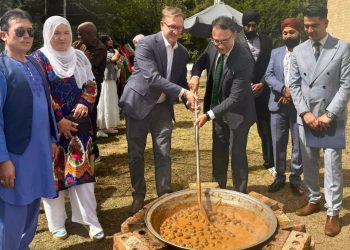
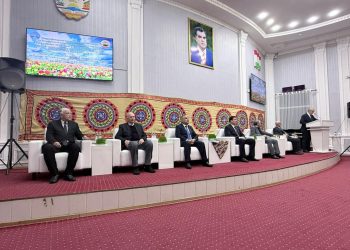
Many citizens have criticized the Taliban’s double standards in celebrating ancient festivals, stating that the group’s sensitivities indicate opposition to the country’s ethnic and cultural diversity. According to them, the Taliban’s opposition to the celebration of Nowruz across the country, the Buddha Night and the Gul-e Kachalo (Potato Flower) programs in Bamyan, the Gul-e Baadam (Almond Flower) Festival in Daikundi, and the group’s participation in the Gul-e Narinj (Orange Blossom) Festival in Nangarhar province and poetry recitations at the Gul-e Arghawan (Eastern Redbud Flower) festival in Parwan province demonstrate that the Taliban seek to impose tribal culture on other ethnic groups in the country. The Taliban, however, argue that celebrating any festival contrary to religious guidelines is forbidden and that members of the group will prevent such activities. Nevertheless, university professors and experts are urging the Taliban to respect the cultural values of other ethnic groups living in Afghanistan and to refrain from exacerbating social and ethnic divides in the country.
Azada Rezaie, a Kabul resident currently in France, perceives the Taliban’s double standards regarding the celebration of ancient festivals in Afghanistan as the group’s disregard for the country’s ethnic and cultural diversity. In a conversation with the Hasht-e Subh Daily, she said, “Now that the Taliban hold power, they are systematically working to eliminate non-Pashtun ethnic groups by undermining their cultural roots through force and violence, as they do in all their affairs. The Taliban’s intense sensitivity to the celebration of the ancient festival of Nowruz and other festivals reflects their opposition to the country’s ethnic and cultural diversity.”
Ms. Rezaie added, “With their mono-ethnic and fundamentalist nature, the Taliban reject any interaction with non-Pashtun ethnic groups and view the cultural flourishing of Afghanistan’s indigenous ethnicities as a threat.”
Firoz Jawed, a resident of Mazar-i-Sharif, also believes that the Taliban only oppose the celebration of festivals that are more prevalent among non-Pashtun ethnic groups. He adds, “The Taliban oppose Nowruz because they do not consider it a festival of their ethnic group. The Gul-e Narinj (Orange Blossom) Festival in Nangarhar was celebrated with much fanfare, and Taliban officials gave speeches there. The Gul-e Arghawan (Eastern Redbud Flower) Festival in Parwan was also celebrated, and Taliban members recited poetry. The Taliban did not show any opposition to these events.” He further states that the Taliban’s actions over the past three years indicate that the group only opposes festivals celebrated by non-Pashtun ethnic groups in Afghanistan.
Additionally, a group of protesting women under the banner “The Window of Hope Women’s Movement” has criticized the Taliban’s efforts to eradicate the cultural, identity, and linguistic values of non-Pashtun ethnic groups in the country on the occasion of “Hazara Culture Day.”
In a statement released on May 19, 2024, the protesting women said that since the Taliban regained control of the country, they have been seeking the “physical elimination of non-Pashtun ethnic groups” and the erasure of their diverse cultures and identities. According to them, the Taliban have expressed their opposition to ethnic and cultural diversity in the country by preventing the celebration of Nowruz, the Gul-e Baadam (Almond Flower) festival in Daikundi, the Gul-e Kachalo (Potato Flower) festival in Bamyan, the Silk Road festival in Bamyan, the Dambora festival in Bamyan, and the Jaghori Culture Day festival.
It is worth noting that Nowruz is one of the country’s oldest cultural festivals, celebrating spring’s victory over winter. For many years, citizens of the country have celebrated the first day of the solar year. This festival is celebrated not only among non-Pashtun ethnic groups in Afghanistan but also in Iran, Iraq, and several Central Asian countries. However, over the past three years, the Taliban have removed the Nowruz holiday from the official calendar of Afghanistan and have prevented citizens from celebrating this ancient festival. Taliban officials have even warned government employees that failure to report to work on Nowruz will result in severe consequences.
The Taliban argue that celebrating any festival contrary to religious teachings is forbidden, and they will prevent its observance. Yet, several cultural festivals in Pashtun-majority provinces are held with grandeur, and the Taliban do not obstruct them. The Gul-e Narjing (Orange Blossom) Festival in Nangarhar and the Gul-e Arghawan (Eastern Redbud Flower) Festival in Parwan have been celebrated with great splendor during the nearly three years of Taliban rule in the country. Taliban members not only do not oppose the celebration of these cultural events, but they also participate and recite poetry at these events.
Experts and university professors believe that governments and regimes in charge of a country’s political destiny should take steps to strengthen ancient cultures and promote ethnic and cultural diversity, rather than opposing them.
Abdul Waris Saighani, a former university professor and political activist, told the Hasht-e Subh Daily, “Part of the Taliban’s actions in preventing the celebration of ancient festivals is influenced by religious beliefs, and ethnic views influence another part. However, blaming citizens for preserving cultural values does not benefit society.”
Mr. Saighani warns that the suppression of cultures in the country will not have positive outcomes. He adds, “The turbulent history of Afghanistan shows that any ethnic group that has attempted to undermine the values of the people has only created enemies for itself and caused problems. The ethnic groups of Afghanistan are committed to their values, culture, and traditions, and the imposition of one culture on them has never yielded lasting results.”
You can read the Persian version of this daily report here: