In Afghanistan, women who lost their jobs due to Taliban restrictions are compelled to engage in street work due to prolonged unemployment and the group’s limitations. Some of these women and girls, who are also protesting, have set up roadside scales to weigh people. They stress that the lack of job opportunities and Taliban restrictions have eliminated their employment prospects, forcing them to rely on street scales and call out for customers throughout the day to earn a meager income for their families. Previously raising their voices for rights, they now raise them to attract customers and make five Afghanis. These women and girls affirm that the Taliban don’t object to women working on the streets but impose restrictions on professional and vocational work.
In their latest move to further restrict women, the Taliban has ordered the closure of all women’s beauty salons in the country until July 25 of this year. According to the group, this action is a response to the “illegitimate” use of artificial hair, eyebrow shaping, and excessive expenses. Mohammad Sadiq Aakev, the spokesman for the Ministry for the Propagation of Virtue and the Prevention of Vice, explained the reasons for issuing the order to close women’s beauty salons in a videotape. He emphasized that these salons’ activities are “contrary to Islamic law” and, as a result, they are being blocked.
After the Taliban’s decision sparked widespread domestic and international reactions, women and girls are now speaking out, revealing that they have been compelled to engage in street labor due to extreme unemployment, poverty, and hunger. These women and girls, who are protesting against the situation, have filmed their street work activities and shared the videos with the media. In these recordings, they express their grievances about persistent unemployment and the confinement of all job opportunities to women only.
A video received by Hasht-e Subh Daily shows women and girls placing scales on the roadside, calling out to customers with choked voices filled with resentment and fear. The protesting women demand, “Five Afghanis! Five Afghanis! No luck yet, be our first!” They emphasize in the video that they are educated women participating in the protest, but they have been forced into street labor due to extreme poverty and unemployment. They assert that all government and private institutions have closed their doors to them. One of the protesters states, “International organizations channel global aid into the pockets of terrorists, empowering them instead. The aid doesn’t reach those in need. We have turned to this work to provide a meager meal for our hungry families. Weigh! Weigh! Weigh for five Afghanis! No luck yet, be our first!”
However, some women and girls in the country view the escalating restrictions on women as a violation of fundamental human values and a denial of their basic rights. They argue that by depriving women and girls of employment, the Taliban not only damage the country’s economy but also open avenues for their own exploitation. These women assert that enduring unemployment and chronic poverty force young girls into forced marriages, from which the Taliban also reap benefits.
Somia Anwari (pseudonym), a resident of Jawzjan province, shares with the Hasht-e Subh Daily her perspective on the plight of women in Afghanistan following the collapse of the republic regime. She asserts that the Taliban have imposed countless restrictions on women, ranging from limitations on education at schools and universities to employment constraints. Ms. Anwari highlights the removal of highly qualified female school teachers, with bachelor’s degrees, and the employment of individuals lacking basic literacy skills, solely based on their religious school background. She emphasizes the Taliban’s infringement on women’s human rights and their systematic blocking of women’s chosen paths. Ms. Anwari points out the psychological challenges and depression faced by women, as all job opportunities, even street work, have been stripped away from them. Consequently, a significant number of women are compelled to include their children in the ranks of beggars to provide even a small piece of bread for their families.
Additionally, Safiya Rezaie, a former employee of a non-governmental organization collaborating with the World Food Programme (WFP), reveals that she, too, has faced unemployment due to the ban on women’s employment in both domestic and foreign institutions and organizations. Ms. Rezaie expresses her frustration regarding the closure of women’s beauty salons, recognizing the detrimental impact on the economy in addition to its implications for beauty and appearance. She emphasizes that the majority of working women bear the responsibility of providing for their unemployed male family members or those who have been disabled or killed in past Taliban conflicts.
She observes numerous women working as street vendors or shoe shiners along the roads, with no interference from the Taliban. However, the group imposes restrictions on formal, professional, and vocational work for women. Additionally, she highlights the negative consequences of closing women’s beauty salons, affecting beauticians, cosmetics store owners, florists, and other individuals involved in the trade, resulting in job losses. In a mournful tone filled with grief, Ms. Rezaie expresses, “We are exhausted by this misery and unemployment. How long will women remain captive? Women don’t seek anything from the Taliban; they seek assistance from the United Nations and the international community, yet even they haven’t heeded the voices of Afghan women.”
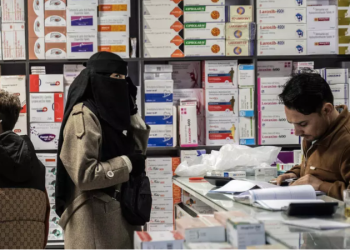
As women and girls voice their grievances about ongoing poverty and persistent unemployment, the Taliban have effectively shut down all job opportunities, both in the public and private sectors, for women during their 23-month reign in Afghanistan. Presently, women are only permitted to work in healthcare institutions, subject to Taliban regulations. Furthermore, this group has banned women from employment in domestic and foreign private organizations, including the United Nations.
Since the early days of their control over Afghanistan, the Taliban have enforced a policy requiring all female government employees to remain at home. Subsequently, they specifically instructed women in certain institutions, particularly the Ministry of Finance, to recommend male family members for employment while they themselves stay home. According to statistics from the fourth quarter of 2022, provided by the Taliban-controlled National Statistics and Information Authority (NSIA), out of 410,280 civil service employees, 86,075 were women. Unfortunately, the majority of these women’s fate is unknown, with a significant number being dismissed from their positions and confined to their homes.