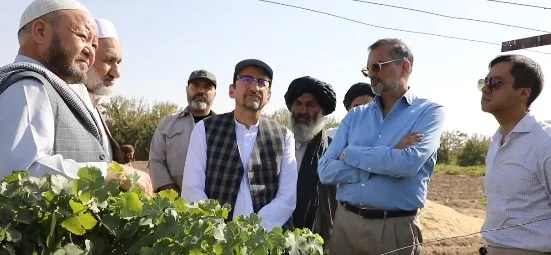
Bruno Lemarquis, Deputy Special Representative of the United Nations Secretary-General for Afghanistan, says severe drought, water resource management, the large-scale return of migrants from Iran and Pakistan, and the closure of the Pakistan border are among the major challenges in southern Afghanistan.
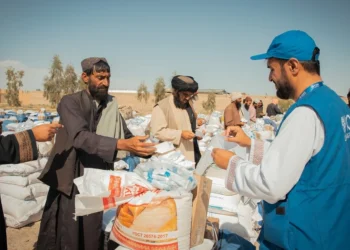
Lemarquis said on Tuesday, October 6, that these challenges, coupled with a significant decline in international aid over the past one to one and a half years, have placed additional pressure on local communities.
He added that farmers in Kandahar and Helmand say the income generated from cultivating alternative crops such as grapes, pomegranates and wheat is not comparable to the income from poppy cultivation, particularly for farmers who have not benefited from alternative livelihood support programmes.
According to Lemarquis, some farmers said that if deprivation continues and adequate support is not provided, they may return to poppy cultivation.
He stressed that the international community should not abandon the people of Afghanistan, as cuts to international aid funding have had a noticeable impact on the situation of people in the country, including in Kandahar and Helmand.