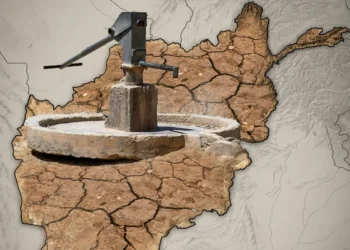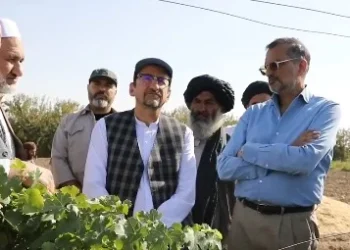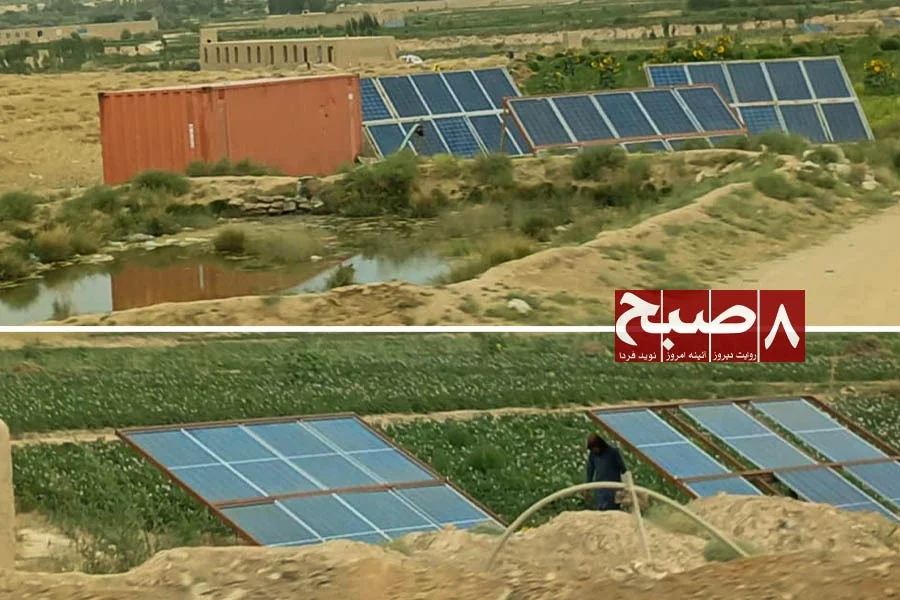
A number of environmental and agricultural experts have expressed concern over the increase in substandard well drilling and the excessive extraction of groundwater for agriculture in Maidan Wardak. They say the growing use of solar-powered pumps to irrigate farmland, along with reduced rainfall and continuing drought, has increased pressure on groundwater resources. According to these experts, extracting water without considering the capacity of underground resources can lower the water table and put springs and karezes (underground irrigation channels) at risk of drying up. They also cite the lack of facilities to store rainwater and floodwater as a factor that has deepened farmers’ dependence on wells. The experts stress that monitoring well drilling, regulating the volume of water extracted, expanding low-consumption irrigation methods and building water reservoirs are essential to prevent further depletion of groundwater.
Ahmad Jawid Noor, an environmental expert, says substandard wells and solar-powered pumps are being used to extract groundwater and farm dry, water-scarce land in many parts of Afghanistan, particularly in Maidan Wardak. According to him, amid continuing drought and climate change, this trend threatens groundwater resources and vegetation. Noor warns that excessive water extraction may bring economic gains for some farmers in the short term, but in the long term it will restrict people’s access to water and make farming more difficult.
Ahmad Jawid Noor says: “Individuals and farmers who rent dry, water-scarce land and start farming there by digging substandard wells and using solar-powered pumps may make economic gains in the short term, but this comes at the cost of depleting water resources. As the groundwater level drops, wells, springs and karezes dry up, and residents’ access to water declines.”
This environmental expert stresses that in water-scarce areas, water resource management must be a priority, and that water should not continue to be drawn for short-term profit without regard for the consequences.
Noor says: “We can live without vegetables and some agricultural products, but we cannot survive even a few hours without water. No crop, however high its economic value, can replace water. For this reason, excessive extraction of water for short-term profit is not a sensible course of action and can destroy people’s vital resources.”
Mr. Noor considers preventing the drilling of unauthorized wells, regulating the volume of water extracted, promoting drip irrigation, storing seasonal water and cultivating crops suited to climatic conditions to be among the ways of reducing pressure on groundwater resources.
Habibullah Taheri, another environmental expert, says reduced rainfall and continuing drought in Maidan Wardak have increased farmers’ dependence on groundwater to irrigate their land. He adds that growing crops such as tomatoes, onions, cucumbers, okra and watermelons in conditions of water scarcity, without considering their water consumption and the income they generate, can challenge water resource management. According to Taheri, to prevent further depletion of groundwater, the crops grown must be aligned with climatic conditions and the capacity of water resources, and monitoring of water extraction must be increased. He also stresses the need to store rainwater and floodwater for use in agriculture.
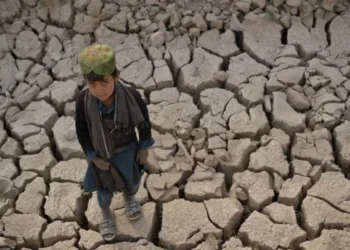
This environmental expert says: “Because the cost of running solar-powered pumps is low, farmers may extract water for long hours, and a large amount of groundwater may be consumed. The depletion of these resources also reduces soil moisture and plants’ access to water, and affects the growth of trees, pastures and other vegetation. In areas where water extraction continues intensively for a long period, there is even a possibility of land subsidence and surface cracks, which could have serious environmental consequences.”
Taheri says: “To prevent further depletion of water reserves, it is necessary to regulate extraction from wells according to the capacity of the resources, and to expand methods such as drip irrigation, adjusting irrigation timing and cultivating crops suited to climatic conditions. Responsible institutions must also undertake practical programs to store rainwater and floodwater, recharge groundwater resources, and revive springs and karezes. Cooperation among farmers, local communities and responsible institutions is essential for sustainable water management, so that drinking water sources are preserved, and the needs of agriculture and orchards in Maidan Wardak are also met.”
Mohammad Salem Saei, an agricultural expert, says the expansion of vegetable cultivation in Maidan Wardak, driven by demand in the Kabul market, has created an opportunity for farmers to increase their income, but sustaining this trend requires water resource management. According to him, the lack of suitable infrastructure to store rainwater and snow means seasonal water is not used effectively in agriculture, and farmers become more dependent on wells to supply water for their land. Saei stresses that building water storage facilities and providing technical support to farmers could improve the use of water resources and prevent damage to agricultural production in the coming years.
Saei says: “Groundwater is in fact a strategic resource that governments and communities can use properly and reasonably in emergencies and when human needs increase, to sustain life. In Afghanistan, because of poor water management and the ineffective use of flowing water during the rainy season, farmers have turned to groundwater more than before, using modern tools and irrigation pumps. This trend can upset the balance of the ecosystem, lead to drought and cracking of the land, and sharply reduce groundwater reserves in the long term.”
This agricultural expert considers the lack of sufficient facilities to store rainwater and snow to be one of the challenges of water resource management in Maidan Wardak. According to him, part of the seasonal water leaves the province because there are no suitable reservoirs or storage sites, and the opportunity to use it to recharge groundwater resources is lost.
Saei says: “Although Maidan Wardak receives good rainfall in some areas, a large part of the rain and snowmelt leaves the province as runoff, because there are not enough reservoirs and sites to store it. If reservoirs are built in suitable areas and seasonal water is stored, part of this water can seep into the ground and help recharge groundwater resources. Moreover, Afghanistan needs a clear agricultural strategy so that suitable areas for growing each crop are identified based on climatic conditions and market demand, and farmers also receive technical support and the necessary facilities. The lack of coherent planning, reduced support for farmers, and the shortage of specific production programs could put further pressure on water resources in the future and reduce the diversity of agricultural products.”
The United Nations Assistance Mission in Afghanistan (UNAMA) had earlier warned that climate and environmental challenges in Afghanistan threaten people’s livelihoods and food security. According to the report, drought and water scarcity are among the most serious environmental problems in the country, and more than half of the population has been affected by their consequences. The Food and Agriculture Organization of the United Nations (FAO) has also announced that successive droughts have affected 19 provinces of Afghanistan, with the northern regions hit hardest. According to the organization, shrinking water resources, drying pastures and the loss of agricultural crops have made life harder for rural communities.
In these circumstances, environmental and agricultural experts are warning about the excessive extraction of groundwater in Maidan Wardak, saying that if this trend continues, together with drought and dwindling water resources, it could make access to water and the sustainability of agriculture even more difficult.
You can read the Persian version of this report here:
استخراج بیرویه آب با انرژی آفتابی؛ تهدیدی برای چاهها و کاریزهای میدان وردک