The United Nations Assistance Mission in Afghanistan (UNAMA) has called the Taliban’s new morality law a “distressing vision” for Afghanistan’s future.
The de facto authorities announced last Wednesday the ratification of their “Law on the Propagation of Virtue and the Prevention of Vice”. The changes included 35 articles detailing restrictions on Afghans with arbitrary enforcement mechanisms.
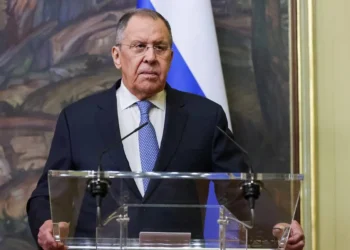
In a formal statement on Sunday 25 August, Roza Otunbayeva, the Special Representative of the Secretary-General and head of UNAMA said:
“The UNAMA is concerned by the promulgation by Afghanistan’s de facto authorities of a morality law which imposes wide-ranging and far-reaching restrictions on personal conduct and provides morality police with broad powers of enforcement.”
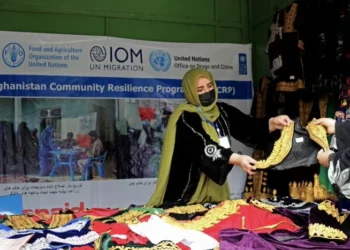
There is particular concern over the text’s impact on women and girls, media, and religious communities. The law requires a woman to conceal her face, body, and voice outside the home, and men are barred from shaving their beards and skipping prayer and religious fasts.
“It is a distressing vision for Afghanistan’s future,” Otubayeva said. “Moral inspectors have discretionary powers to threaten and detain anyone based on broad and sometimes vague lists of infractions.”
The law empowers the Ministry for the Propagation of Virtue and Prevention of Vice to be at the front line of administering punishments such as warnings or arrests if its inspectors believe any Afghans have broken the laws.
Justice Ministry spokesperson, Barakatullah Rasoli said that if violated, penalties include: “advice, warnings of divine punishment, verbal threats confiscation of property, detention for one hour to three days in public jails, and any other punishment deemed appropriate.”
The UN mission is in the process of studying the ratified law. They will analyse the implications for Afghans and its potential impact on the UN and other humanitarian assistance.
After its initial review, the mission revealed that two articles within the law represent positive steps. These include a ban on the mistreatment of orphans and prohibiting the practice of Bacha Bazi, a paedophilic practice of using young boys for personal entertainment and sexual abuse.
UN Special Rapporteur Richard Bennett shared his concern with the UN about the “grave ramifications” of the Taliban’s overall law. In a statement on X, Bennett said he was currently working with other UN Special Procedure mandate holders to assess the law and its consequences for the human rights of Afghans.
Otunbayeva will report on the situation in Afghanistan to the UN Security Council on September 18, the third-year anniversary of the Taliban stopping girls’ education after sixth grade.