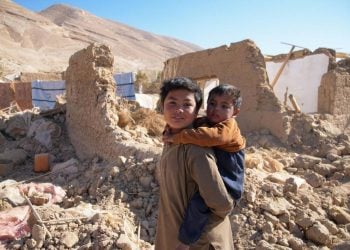

The World Food Programme has warned that one in every three people in Afghanistan is facing hunger and that the food crisis in Afghanistan could worsen by winter.
John Aylieff, the World Food Programme (WFP) Country Director in Afghanistan, said the cost of transporting the organization’s assistance has now increased more than threefold, while financial contributions from donor countries have declined.
According to Aylieff, due to funding shortages, the WFP is now able to assist only one out of every seven malnourished women and children.
The closure of the Torkham crossing, the war in Iran, the closure of the Strait of Hormuz, rising fuel prices, and longer transportation routes have increased the cost of importing and delivering humanitarian assistance to Afghanistan.
Years of drought and natural disasters have also reduced Afghanistan’s agricultural production and led to higher food prices.
Following the ban on poppy cultivation in 2022, many farmers have lost an important source of income, while growing cereals is not profitable for some of them.
Aylieff warned that unless more assistance arrives, more families will face severe food crises and difficult choices in meeting the needs of their family members.