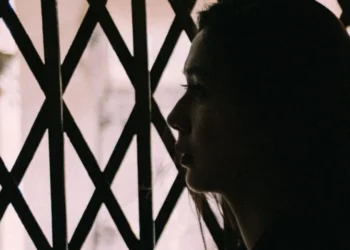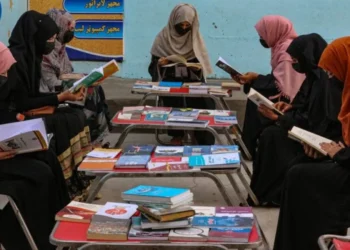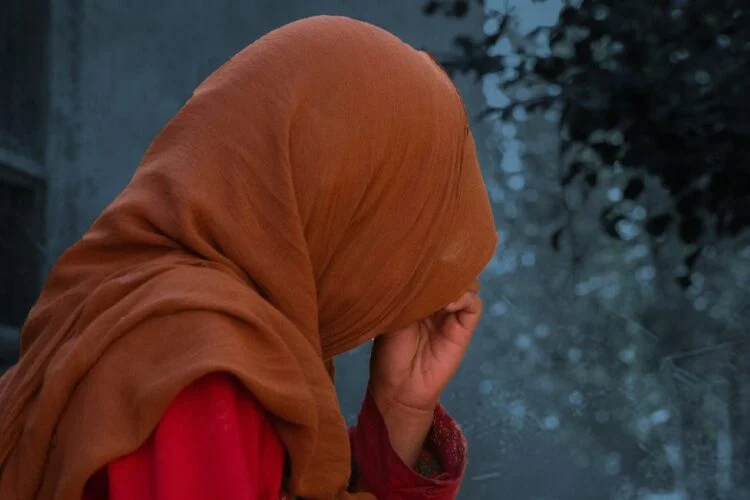
In some families, decisions about girls’ marriages are made by others rather than giving the girls themselves the opportunity to choose. Girls who are still of school age or have plans for their future are sometimes married off by their families. For some, this means the end of their education and the beginning of responsibilities for which they are not prepared. Forced and child marriages have affected the lives of many girls. Family pressure, economic difficulties, traditional beliefs, and fears about the future can make girls vulnerable to decisions about marriage.
“No One Asked Me Whether I Wanted It”
Maryam is a girl who says her family decided on her marriage when she was still planning to continue her education. She says, “When they first told me I was going to get married, I thought they were joking. I still wanted to study and had imagined a different future for myself. But no one asked me whether I wanted this marriage or not.”
Maryam says it was not easy for her to oppose her family’s decision. According to her, family pressure and fear of how others would react made it difficult for her to express her opposition openly.
Marriage at a young age can expose girls to responsibilities for which they are not prepared. Dropping out of school, becoming separated from friends and their social environment, and economic dependence are among the consequences of forced and child marriages experienced by girls.
Sara (a pseudonym), another girl, says she was forced to stop studying after her marriage. “What upset me most was having to give up my education. I wanted to continue studying and have a profession, but my living conditions changed after marriage. I no longer had the time or opportunities to study as I had before,” she says.
Economic Pressure and Decisions About Marriage
Some families cite economic difficulties as one of the reasons for deciding to marry off their daughters at an early age. In families facing financial hardship, marriage may be seen as a way to reduce the family’s economic responsibilities. However, women’s rights activists say economic problems should not come at the cost of girls losing their educational opportunities and their right to choose.
“Saying No Is Not Easy for Many Girls”
Fereshta, a social activist, says that in some families, decisions about marriage are influenced more by older family members—who are often men—than by the girls’ own wishes. She says, “Sometimes a girl does not even know how to object. If she says she does not want to get married, she may face blame or pressure from her family. That is why a girl’s genuine consent must be taken seriously.”
According to Fereshta, raising families’ awareness of the consequences of child marriage and providing girls with educational opportunities can help address this problem.
Education: The First Thing Girls Lose
For many girls who marry before completing their education, continuing their studies becomes difficult. Family responsibilities, restrictions on movement, and a lack of adequate support can make it harder for them to return to education. Leila, another young woman, says, “If I had been able to study, perhaps my life would be different today. What I regret most is the opportunities I lost.”
The consequences of forced and child marriages extend far beyond the time of marriage. Changes to educational paths, limited employment and economic opportunities, and reduced personal independence can affect girls’ lives for years. In addition, girls who enter married life without being prepared may face greater difficulties in handling family responsibilities and making decisions about their shared lives.
Marriage can mark the beginning of a life together when both parties make the decision with awareness and mutual consent. For girls who have not yet reached an appropriate age to make such decisions or who are under family pressure, the line between “consent” and “coercion” can be very thin. The accounts of girls who have experienced forced or early marriage show that this issue is not simply about a ceremony or a family decision; it concerns a person’s future, education, and right to choose.
Reducing this practice requires raising families’ awareness, ensuring girls continue to have access to education, supporting vulnerable families, and creating safe ways for girls facing forced marriage to seek help.
Ultimately, the main question is not when a family decides that a girl should marry. The question is whether the girl herself has the freedom to make decisions about her future.