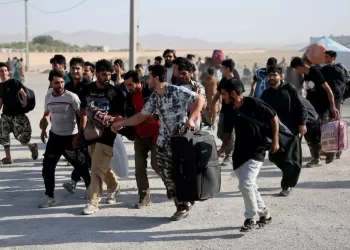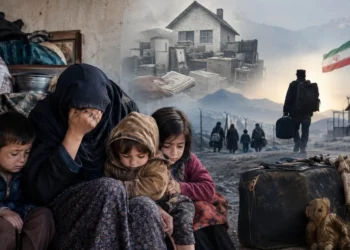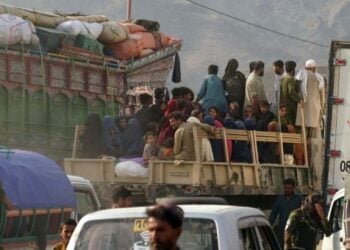

Following the mass expulsion of refugees from Iran, a group of social activists in Herat, in collaboration with charitable organizations, local businessmen, and those from neighboring provinces, have initiated aid efforts for the returnees. These grassroots initiatives have been widely welcomed, with citizens of Afghanistan from around the world praising the efforts. Some have sent financial contributions to support these humanitarian organizations based on their financial capacity. Additionally, a group of young people in Herat has provided food, water, and vehicles to transport the expelled migrants to their home regions. Meanwhile, some social media users have criticized the Taliban for their neglect of the dire situation of these migrants and the lack of temporary shelters at the Islam Qala border crossing. They have accused the Taliban of discrimination, sharing images of tents and facilities at the Torkham border, noting that migrants returning from Pakistan have benefited from government provisions, while those returning from Iran have been left in extreme heat without clear prospects.
Some social activists in Herat, actively involved in providing humanitarian aid to refugees expelled from Iran, described their situation as difficult and alarming in interviews with the Hasht-e Subh Daily. They stated that many of these individuals had been living in rented homes in Iran, with their deposits still held by landlords. Moreover, over 80 percent of those who were laborers are owed between 20 to 100 million tomans by their employers and have been deported empty-handed.
These activists, who have spoken directly with the returnees, recounted: “The majority of families have been expelled in a scattered manner, with half of their families left behind in Iran. Many were taken directly from their workplaces to the Islam Qala border. They spent between five to ten days in Iranian camps, where exorbitant fees and costs were forcibly extracted from them. In addition, they have endured humiliation, insults, and harassment.”
One activist, who requested anonymity, said: “The returnees’ serious concerns include their documents being left behind, their money still held by landlords and employers, and for some who had purchased property or vehicles in the names of Iranian citizens, the fate of their assets remains uncertain. Another complaint is that over the past year, the Iranian legal and judicial systems have not addressed the grievances of these refugees.”
This Herat-based activist emphasized that many of the expelled individuals had lived in Iran for 20 to 30 years and now have no connections or support in Afghanistan. They often prefer to stay in Herat, but the lack of available housing has forced people to set up tents in parks, leading to a housing crisis in the city. Despite efforts by the private sector to transport migrants to their home provinces, the situation remains dire.
The activist added: “The Taliban have not assisted the migrants. Even those arriving at the border who are sick and staying in parks have not been given a single tent; nothing has been done in this regard. The private sector has stepped in, providing some basic support, with food supplies arranged through private organizations.”
Some citizens on social media have reacted to the Taliban’s treatment of those expelled from Iran, accusing the group of ethnic bias and discriminatory behavior. They noted that no government facilities or measures have been provided at Islam Qala, while thousands of temporary shelters have been established at Torkham. When migrants were expelled from Torkham, senior Taliban officials visited the area, transported them to specific regions with government resources, and even built settlements for them. However, no such measures have been taken for those returning from Iran.
Matiullah Toral, a social media user, reposted a video of the returnees, writing: “We know why no settlements have been built for you, why no government international buses are at your service, why no government tents or facilities are provided for you—because you are different from the migrants coming from Pakistan. Yet, may the honorable people of Herat prosper for rushing to your aid with their resources.”
Saadiq Sadaqat, sharing a photo comparing the situation at Islam Qala with the tents at Torkham, wrote: “The Taliban set up tents at Torkham for photos and publicity, but at Islam Qala, thousands of women and children are left under the scorching sky and dust. These two images scream the depth of this group’s discrimination, deceit, and cruelty. When there is no justice even in addressing people’s suffering, what kind of Islamic governance are they talking about?”
Qasemi Joya, another user, wrote: “What good is a five-thousand-year history when there is such disparity in the treatment of migrants between Torkham and Islam Qala? This is why we have never become ‘us,’ and a sense of national unity has never formed.”
Widespread protests and criticism have emerged on social media regarding the Taliban’s double standards in dealing with refugees expelled from Iran. The Taliban have not yet issued an official response, though their spokesperson claimed that dozens of migrants were transported from Islam Qala to northern provinces by the Taliban. This claim was refuted by humanitarian aid workers, who emphasized that these transfers were solely facilitated through grassroots efforts.
The World Health Organization (WHO) has warned that a significant number of mothers, children, and elderly individuals at Afghanistan’s borders are without shelter and are facing illnesses such as wounds, infections, dehydration, and malnutrition. Many returnees, particularly pregnant women and unaccompanied children, are in urgent need of healthcare, food, and shelter.
WHO noted that since April 2025, over 836,000 people have entered Afghanistan through the Islam Qala, Torkham, Milak, and Spin Boldak border crossings, creating one of the country’s most urgent humanitarian crises.
Edwin Ceniza Salvador, the World Health Organization’s representative in Afghanistan, stated: “We are dealing with a large number of mothers, children, and elderly individuals returning to an uncertain situation, often sick and without support. We are doing everything in our power, but the scale of the needs is rapidly increasing.”
The World Health Organization highlighted the overcrowding at the Milak and Islam Qala border crossings, noting a shortage of ambulances, inadequate facilities for isolating patients, and a severe lack of staff, particularly female healthcare workers to attend to female patients.
Concerns persist that Iran continues its widespread forced deportations despite repeated requests from human rights organizations. No practical steps have been taken to return the assets of Afghanistan’s citizens left in Iran, and thousands are being expelled daily with nothing in hand.
You can read the Persian version of this news here:
طالبان نظارهگر، هرات یاریگر؛ اخراج شدهگان از ایران چه رنجهایی میکشند؟