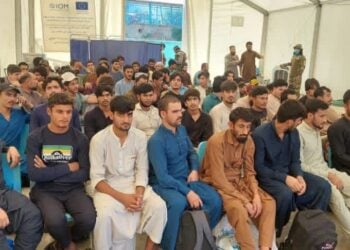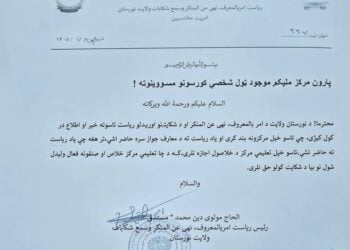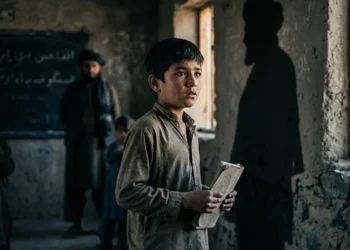

Several citizens of Afghanistan who are awaiting the processing of their asylum and resettlement cases in neighboring countries, particularly Pakistan, Iran, and Tajikistan, while waiting to be transferred to third countries, are complaining about the difficult living conditions in their host countries. These migrants say they sought refuge in these countries hoping to find security. Still, they continue to struggle with an uncertain fate, economic hardship, psychological and emotional pressure, social restrictions, and fear of forced deportation. According to them, due to security threats in Afghanistan under Taliban rule, they are unable to return to their country. At the same time, they do not enjoy suitable and stable conditions to continue their lives in their host countries. According to these migrants, children have been deprived of regular education, young people see their futures shrouded in ambiguity, and many families have been living in limbo and uncertainty for years.
Meanwhile, several activists working in the field of migrant affairs say that migrants from Afghanistan in some host countries face discrimination, restrictions, and disregard for their basic rights. They emphasize that every human being, regardless of nationality, ethnicity, or background, has the right to be treated with dignity, respect, and in accordance with the principles of human rights.
Shawkatullah, an asylum seeker in Pakistan, says the situation of all asylum seekers from Afghanistan in this country is becoming more difficult by the day. According to him, even those who hold valid visas are not immune from arbitrary treatment and demands for bribes by some institutions, and those without visas constantly face the risk of arrest and forced deportation.
This asylum seeker says: “Most migrants from Afghanistan in Pakistan are waiting for their asylum and resettlement cases to be processed, but due to security conditions and regional developments, the operations of many embassies have been suspended or restricted. As a result, the case review process is moving slowly, and many people from Afghanistan are forced to live in hiding, accompanied by fear and anxiety.” According to him, the consequences of this situation sometimes even threaten the lives of migrants.
Shawkatullah adds: “One citizen of Afghanistan who was suffering from cancer lost his life at the border due to closed crossings and the inability to access medical services. This is just one example of the problems migrants from Afghanistan face every day. The bank accounts of many people from Afghanistan are being frozen; they are not given access to SIM cards, and they are unable to buy or sell goods or carry out many everyday tasks. Universities have also been instructed to expel students from Afghanistan who lack visas. I myself applied for a visa five times, but was rejected all five times. Many students from Afghanistan face the same problem, and universities have imposed further restrictions on them.”
Munisa Omarzada, a migrant from Afghanistan who says she has been living in Iran for more than four years, says the long wait for resettlement cases to be processed is the greatest shared pain among hundreds of asylum seekers from Afghanistan who remain in neighboring countries awaiting transfer to a third country. According to her, this wait has continued for years, with no specific timeline for its end.
Omarzada says: “We, citizens of Afghanistan awaiting resettlement in neighboring countries including Iran, Pakistan, and Tajikistan, face serious problems. We are not permitted to work legally, we lack adequate access to medical care and insurance, and we face great difficulty even covering the most basic costs of living. Many families get by only through limited assistance from charitable organizations or by borrowing money. On the other hand, the lack of legal and stable residency status is one of our greatest concerns. We live every moment in fear of arrest and forced deportation to Afghanistan, a country where our lives are at risk. This situation has placed severe psychological and emotional pressure on us.” She adds that migrant children have been deprived of regular education, young people see their futures as lost, and families live in limbo and uncertainty.
Omarzada says: “For us, seeking asylum does not only mean securing safety; it means having the right to life, human dignity, access to education, medical care, employment opportunities, and fair and timely processing of resettlement cases. The prolonging of the resettlement process has not only destroyed our hope, but has also imposed irreparable social, economic, and psychological harm on us. Seeking asylum is not a choice for a better life; for many of us, it was the last means of escape from war, repression, threats, and fear. The international community has a responsibility to hear the voices of those of us who have waited years for a secure future, and to take effective and urgent action to end these years of uncertainty. This is especially true now that we are in Iran, a country facing war conditions and crisis, where the operations of many United Nations-affiliated agencies have been suspended, the economic situation is worsening by the day, and we continue to live in limbo, uncertainty, and displacement.”
Omid Poya, an official with the Afghanistan Journalists Federation (AJF) based in Iran, says human rights defenders, civil society activists, journalists, and women protesters who fled to Iran and Pakistan due to security threats in Afghanistan are facing very difficult conditions. According to him, these individuals are at risk of forced deportation from Pakistan, and a large number of them have already been deported. He adds that many asylum seekers live in constant fear, since if returned to Afghanistan, their lives and safety would face danger.
Sahar (pseudonym), a human rights activist currently residing in Tajikistan, says she sought refuge in this country hoping to find security, but continues to struggle with an uncertain fate, isolation, and economic hardship. She says she had believed her transfer process to Germany would take a maximum of six months, but more than two years have now passed since her case was registered and she has still not received any outcome.
Sahar adds: “After the fall of the government of Afghanistan to the Taliban, I experienced the hardest days of my life. To save my life and that of my family, I was forced to leave the country and had no option other than migration. I first went to Pakistan and wrote a letter to the German embassy. I was asked to wait, but at the same time, the process of deporting migrants from Afghanistan from Pakistan began, and I no longer had anywhere to stay. In the end, I sought refuge in Tajikistan.” According to her, life in Tajikistan has also been accompanied by many difficulties, and the long wait for her resettlement case to be processed has left her exhausted and hopeless.
This human rights activist adds: “During this time, no effective attention has been given to my case, and I feel that my human rights have been ignored. I am living in complete limbo. I cannot return to Afghanistan, I have no possibility of staying permanently in Tajikistan, and German officials have not yet seriously reviewed my case. This situation has plunged my future into a state of ambiguity.”
Meanwhile, Asefa Stanikzai, an activist working in the field of migrant affairs, says people from Afghanistan living in other countries face numerous legal, economic, social, and psychological challenges.
She says: “Among the most important problems facing migrants from Afghanistan are the difficulty of obtaining legal residency, limited access to job opportunities, language learning, adapting to cultural differences, and in some cases, discrimination and unfair treatment. In addition, many migrants also experience separation from family, uncertainty, and the psychological and emotional pressures resulting from migration.”
This migrant affairs activist adds: “Treatment of migrants from Afghanistan is not the same in every country. In some countries, efforts are made to preserve their rights and human dignity, but in others, migrants face discrimination, restrictions, and disregard for their basic rights. Meanwhile, every human being, regardless of nationality, ethnicity, or background, has the right to be treated with dignity, respect, and in accordance with the principles of human rights.”
This comes as, following the Taliban’s return to power in Afghanistan, thousands of human rights defenders, civil society activists, journalists, media workers, women protesters, and former military personnel were forced to leave the country due to security threats and sought refuge in neighboring countries, particularly Pakistan, Iran, and Tajikistan. However, many of them, in addition to struggling with livelihood, legal, and psychological problems, are now also facing the risk of forced deportation.
Meanwhile, the Hasht-e Subh Daily has repeatedly reported, citing its own sources, that several former military personnel have been arrested or killed by the Taliban after being forcibly returned to Afghanistan, an issue that has further increased concern among migrants, particularly those who fled Afghanistan due to security threats.
You can read the Persian version of this report here:
نه راه بازگشت، نه راه نجات؛ پناهجویان افغانستان در برزخ کشورهای همسایه