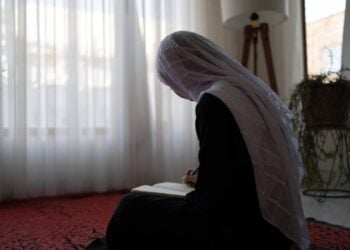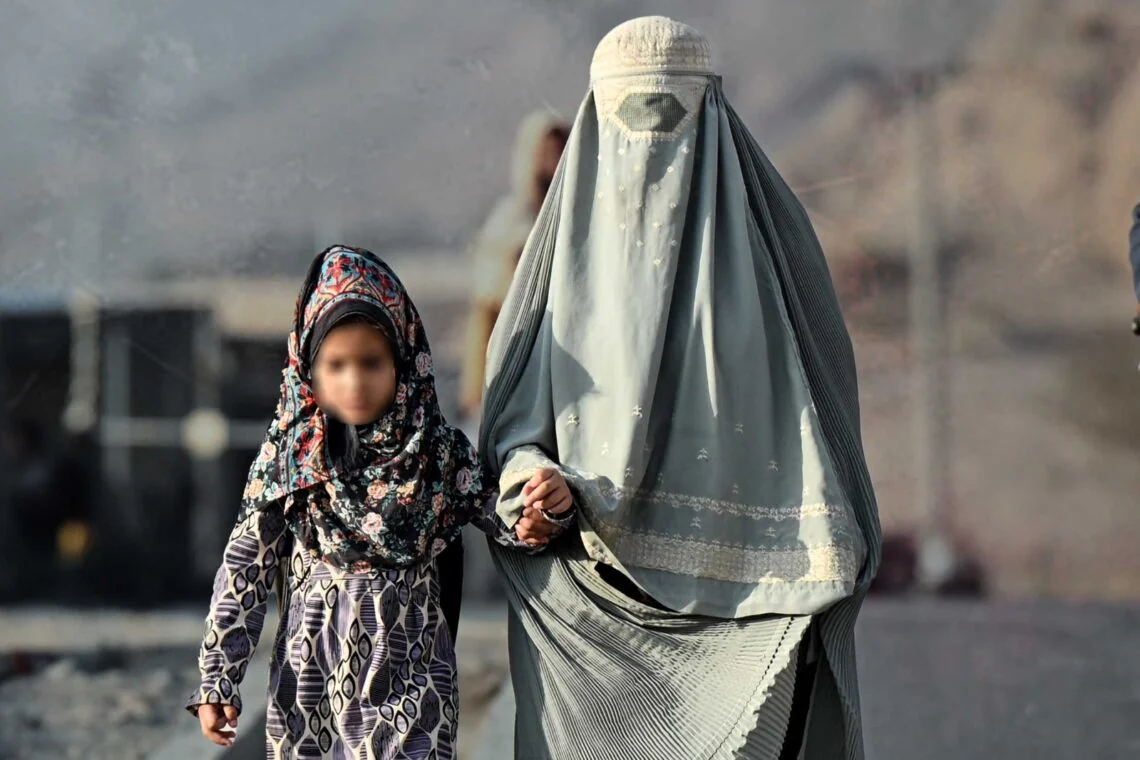
Several women who have lost their husbands say they face numerous hardships amid difficult economic conditions and a lack of job opportunities for women. They add that, to meet their families’ basic needs, they are forced to do cleaning work in people’s homes. Besides enduring economic hardship, they also face humiliating treatment and unfair social judgments. According to them, this treatment, together with livelihood pressures and the responsibility of raising children, has made life harder for them and intensified their feelings of loneliness and helplessness.
Zainab (pseudonym) says that being the sole provider for her four children has brought her many problems and hardships. She faces great difficulty covering living costs and caring for her children. She adds that because she is young, she is met with gossip and judgment from others when she goes to people’s homes to clean and wash clothes.
She says: “My children are young, and I am illiterate myself. My problems are endless. Because I am young, people talk about me when I go to their homes for work. If I don’t work, my problems only increase.”
Zainab says: “I have four orphans whose education and upbringing I must look after. If I go out, I cannot attend to their studies. If I go to people’s homes for work, there is no one to look after my children. Even if I leave them at someone’s house, they still are not looked after properly. I pay the rent, electricity, and water bills with great difficulty. I pay 2,700 Afghanis in rent every month. My son is in the 11th grade at school, and I do not let him work so that his future is not ruined and he does not remain illiterate like me. If I were literate, I could work at a workplace and take care of my children at the same time, so that no one would talk about me. If I leave the house for work, my children are left without a guardian, and if I don’t, they suffer from hunger and the hardships of life. The problems of widowed women have increased in the current conditions.”
Afsana (pseudonym) says: “It has been five years since my husband was killed. I have five children. When my husband was killed, my twin daughters were three months old, and I was in a very difficult situation. My house is rented, and three of my children study at a private school. After my husband’s death, I got a job at a bank, but my salary is low and does not cover the family’s expenses and the rent. I wanted to take my children to a government school, but they said they would not study at a government school.”
She adds: “When my children voice their wishes, I am unable to fulfil them. The only thing I can do is cry. I go to work during the day, and at night, from the time I return home until two o’clock in the morning, I am busy washing clothes, preparing food and helping my children with their lessons. Life has become very hard for me. My husband was the person I leaned on in every difficulty, but now I carry even the responsibilities that were his.”
Afsana says that whenever she wears neater clothes, her husband’s family members say improper things behind her back and accuse her of having a relationship with another man. According to her, her brothers-in-law have also warned that if she remarries, they will take her children from her.
Sharara (pseudonym) is another woman who was forced to marry her brother-in-law after her husband’s death. She says she was married off to him without her consent or agreement, and that no one asked her opinion.
She adds: “My husband had cancer, and I have a one-year-old son. It has been three months since my husband died. On the third day after his death, while I was still enduring the shock of losing my life partner, they married me to my brother-in-law. No one asked me whether I consented to this marriage or not. My brother-in-law has another wife and four children. His wife treats me very badly and constantly taunts me. Every aspect of my life runs under her command, from what clothes I wear to where I go. I wish they had given me the chance to first mourn the loss of my husband and go through my period of grief, and then decide about my future and my life myself.”
Meanwhile, the United Nations Entity for Gender Equality and the Empowerment of Women (UN Women) had earlier said that women and girls in Afghanistan face multiple, intersecting risks, and that among them, women heading their own households are more exposed to hunger.
UN Women, in the area of humanitarian assistance, has said that women who have less support and fewer protective resources are more exposed to insecurity and various forms of pressure.
You can read the Persian version of this report here:
زنان سرپرست خانواده در افغانستان؛ قربانیان خاموش فقر، فشارهای اجتماعی و ازدواج اجباری