Afghanistan remains one of the most heavily contaminated countries in the world when it comes to landmines and explosive remnants of war. Despite the severity of this crisis, the Taliban, over the past three and a half years, have shown no intention of addressing the landmines they themselves planted—mines that continue to claim lives, harm livestock, and destroy homes. In the latest developments, the International Committee of the Red Cross (ICRC) and the United Nations Assistance Mission in Afghanistan (UNAMA) have jointly called for comprehensive global support to combat the dangers posed by these deadly remnants of war. According to both organizations, Afghanistan is among the world’s most severely mine- and ordnance-polluted nations.
Friday, April 4, marked the International Day for Mine Awareness. The United Nations designated this day in 2005, and it has been commemorated every year since to emphasize the importance of awareness, prevention, and clearance of landmines.
On this occasion, UN Secretary-General António Guterres stated that over 100 million people around the world are at risk from landmines and explosive remnants of war. In a post on X, he wrote: “Even after the guns fall silent, these threats continue to ruthlessly take civilian lives and pose a serious obstacle to development and reconstruction.”
Simultaneously, UNAMA and the ICRC warned that Afghanistan remains one of the world’s most contaminated zones, littered with landmines, unexploded ordnance (UXOs), and improvised explosive devices (IEDs).
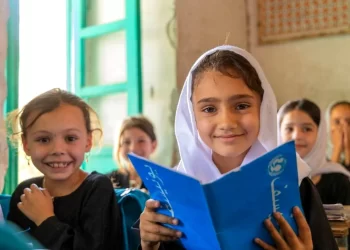
The ICRC further stressed that the high level of contamination and its devastating impact on civilian life—especially children—highlight the urgent need to intensify efforts to support vulnerable communities. The organization reported that in 2024 alone, at least 251 explosive-related incidents have been recorded, resulting in the death or injury of 434 children.
Meanwhile, the Mines Advisory Group (MAG) announced that approximately 15 people are killed or injured daily across the globe due to landmines and UXOs. In many of these cases, children’s steps are the tragic trigger. While acknowledging some progress in recent years, MAG emphasized that the scale of the crisis remains deeply concerning. The organization stressed that now, more than ever, decisive action is needed to clear contaminated areas, support affected communities, and build a world free from the fear of mines.
In the same context, the United Nations Children’s Fund (UNICEF) reported that over 500 children in Afghanistan were killed or injured in 2024 due to explosions caused by leftover war munitions. Alarmed by the rising casualties, UNICEF has launched awareness programs across several provinces, aiming to reach at least three million people—especially children. According to UNICEF, Afghanistan ranks among the nations with the highest levels of explosive contamination and contains some of the largest stockpiles of landmines and unexploded ordnance.
The UN Office for the Coordination of Humanitarian Affairs (OCHA) added that more than 1.2 million square meters of Afghanistan’s land remain contaminated with mines and other explosive devices. From January 2022 to February 2024, explosive remnants of war claimed 1,401 lives in Afghanistan—86% of them children.
Additionally, the International Campaign to Ban Landmines (ICBL) listed Afghanistan as the third deadliest country for landmine casualties in 2023, following Myanmar and Syria. That year alone, over 650 people were killed or injured by landmines in Afghanistan.
Afghanistan signed the Mine Ban Treaty (also known as the Ottawa Treaty) in 2003. Under this agreement, the country committed to taking concrete steps toward demining and supporting the rights of mine victims. The former Afghan government had pledged to clear the country of landmines by March 2030.
However, over the past three and a half years, the Taliban have failed to implement any clear or systematic plan for clearing the mines they planted. Previously, a senior official from the HALOTrust demining organization recounted that when one of their teams investigated a roadside mine near Kandahar City, a guard accompanying their convoy casually remarked, “That’s the mine I planted.”
You can read the Persian version of this report here:
افغانستان در دام ماینها؛ فراموشی قربانیان بیصدای جنگ | روزنامه ۸صبح