• 8AM.MEDIA
  • ویب‌سایت فارسی
  • پښتو ویب‌پاڼه
  • اۉزبېکچه ویب‌سایت
  • Podcast
Tuesday, October 13, 2026
Hasht-e Subh
  • Home
  • News
    • Afghanistan News
    • World News
  • Opinion
    • Editorial
    • Analysis
  • Reports
    • Daily Reports
    • Investigative Reports
  • Society
    • The story of people
  • Women’s Word
  • Columns
    • Three Years After Afghanistan’s Fall: The Taliban’s Resurgence
    • Towards Equality
    • The Resurgence of the Taliban: Two Years Since Afghanistan’s Fall
    • Hebatullah Report Special Edition
    • Resistance for Education Special Edition
    • Special Column on Taliban’s Education Curriculum
    • Nawroz
  • Interviews
  • Contact Us
    • About Us
    • 8AM MEDIA Annual Awards
    • Submit an Article to Hasht-e-Subh
  • 8am.mediaBack
Subscribe
No Result
View All Result
  • Home
  • News
    • Afghanistan News
    • World News
  • Opinion
    • Editorial
    • Analysis
  • Reports
    • Daily Reports
    • Investigative Reports
  • Society
    • The story of people
  • Women’s Word
  • Columns
    • Three Years After Afghanistan’s Fall: The Taliban’s Resurgence
    • Towards Equality
    • The Resurgence of the Taliban: Two Years Since Afghanistan’s Fall
    • Hebatullah Report Special Edition
    • Resistance for Education Special Edition
    • Special Column on Taliban’s Education Curriculum
    • Nawroz
  • Interviews
  • Contact Us
    • About Us
    • 8AM MEDIA Annual Awards
    • Submit an Article to Hasht-e-Subh
  • 8am.mediaBack
No Result
View All Result
Hasht-e Subh
No Result
View All Result

Afghanistan’s Malnutrition Crisis: Children and Pregnant Women Face Risk of Early Death

Amin Kawa Amin Kawa
24 October 2024 - Solar Hijri Date: 1403/08/03 [t_time:1729790619]
A female hospital ward in Afghanistan where sick children receive care alongside their mothers, reflecting the malnutrition crisis. (Photo Credit: Lillian SUWANRUMPHA / AFP)

Lillian SUWANRUMPHA / AFP

Afghanistan, under Taliban rule, is grappling with multiple crises, one of the most severe being malnutrition. Over the past three years, international organizations have reported that, despite the Taliban’s claims of job creation, hunger reduction, and improved healthcare services, the health crisis has not only persisted but worsened. In some regions, the situation has reached unprecedented and alarming levels. Recently, the International Federation of Red Cross and Red Crescent Societies (IFRC) warned of an escalating malnutrition crisis. They indicated that with the onset of winter, this crisis will intensify, putting children, pregnant women, and lactating mothers at risk of early death and lifelong complications, including cognitive impairment and stunted growth. The World Health Organization (WHO) also previously reported that around 700,000 children in Afghanistan suffering from malnutrition lack access to essential treatment.

In a report focused on the malnutrition crisis in Afghanistan, particularly in Kandahar and Paktika provinces, the IFRC expressed deep concern. Between May and September 2024, the country saw unprecedented levels of malnutrition, leading to a sharp rise in acute malnutrition among children, pregnant women, and nursing mothers. According to the Global Hunger Index (GHI), the worsening of hunger and malnutrition in Afghanistan is tied to growing humanitarian needs and a decrease in funding. The report warned that, with winter approaching, the situation will deteriorate, leading to more casualties unless urgent action is taken to reduce acute hunger before it peaks in December 2024 and February 2025.

Currently, 3.2 million children under five and 840,000 pregnant and lactating women are suffering from acute malnutrition in Afghanistan. Among them, 1.7 million children are affected by severe acute malnutrition and related health complications. This puts them at risk of early death and lifelong consequences, such as cognitive impairment and stunted growth.

The provinces of Kandahar and Paktika are among the hardest hit by the malnutrition crisis. Kandahar, with an estimated population of 2,067,723, has been classified under the Global Acute Malnutrition Phase Classification. The province has 103,386 children under five suffering from severe acute malnutrition, and 41,354 pregnant and lactating women affected by moderate acute malnutrition. In Paktika province, with an estimated population of 852,934, the 2024 IPC report has classified the area as being in crisis due to global acute malnutrition. Over 47,647 children and 17,058 pregnant and nursing mothers are predicted to be severely affected.

Necephor Mghendi, head of the IFRC delegation, visited mobile health teams and clinics in Kandahar two weeks ago. He noted, “I spent an hour with Red Crescent staff and a mobile health team in Panjwayi district, Kandahar. Two out of every five children were suffering from severe acute malnutrition. Parents told me they lacked the income to buy food and had sold their belongings to survive. Humanitarian aid is their last hope.”

The IFRC emphasized the need for immediate intervention to save the lives of children and women. With winter approaching, more areas in Kandahar and Paktika will face acute respiratory infections and diarrheal diseases, increasing the risk of early death among children. According to the “Community-Based Management of Acute Malnutrition (CMAM)” protocols, children suffering from acute malnutrition without underlying medical conditions require at least two months of intensive treatment with Ready-to-Use Therapeutic Foods (RUTF) to recover fully and be discharged from treatment. If treatment does not begin immediately, the crisis will spiral out of control, and even collective efforts after the winter will have a limited impact.

The report underscores that malnutrition in Afghanistan has long been a public health crisis due to a combination of complex factors. Prolonged drought, natural disasters, population displacement, rising living costs, food insecurity, and widespread unemployment have all exacerbated the situation.

The Global Multidimensional Poverty Index recently reported that 58.9% of Afghanistan’s poor are children. The 37-page report reveals that around five million more children than adults are living in poverty. In total, 15.5 million children and 10.8 million adults are affected by multidimensional poverty in Afghanistan.

Years of prolonged conflict and instability have made Afghanistan one of the poorest countries in the world. Between 2015/2016 and 2022/2023, poverty in Afghanistan increased by over 5.2%, with 5.3 million more people falling into multidimensional poverty. The report states that nearly two-thirds of Afghanistan’s population (64.9%) were poor in 2022/2023, with three out of every five poor individuals being children.

Meanwhile, the WHO has reported that at least 700,000 children suffering from malnutrition currently lack access to life-saving treatment. Last month alone, 27,600 children required hospitalization for malnutrition-related conditions. The WHO also reported that 12.4 million people in Afghanistan are food insecure, with 2.9 million experiencing high levels of hunger. The WHO’s response program for those in need in 2024 faces severe budget cuts, with only $755 million—about 25% of the total required budget—secured so far. This comes as 23.7 million people in Afghanistan require humanitarian assistance.

The WHO added that Afghanistan faces significant health challenges due to a weak health system and unequal access to services, particularly in rural areas. The spread of infectious diseases, mental health issues, malnutrition, and non-communicable diseases have all contributed to the rising mortality rate. The report also noted the negative effects of diseases like diarrhea, measles, polio, dengue fever, COVID-19, whooping cough, and malaria. With winter approaching, cold-related health issues, particularly respiratory infections, will increase, especially in remote areas.

Moreover, the WHO highlighted that the Taliban’s restrictions have limited women’s and girls’ access to healthcare services in some parts of the country. Recently, the World Food Programme (WFP) raised concerns about stricter monitoring and evaluation of domestic and foreign NGOs in Afghanistan following the enactment of the Taliban’s Law for the “Propagation of Virtue and Prevention of Vice.”

You can read the Persian version of this daily report here:

بحران سوءتغذیه در افغانستان؛ کودکان و زنان باردار و شیرده در خطر مرگ زودرس قرار دارند | روزنامه ۸صبح 
ShareTweetSendSendShare

Related Posts

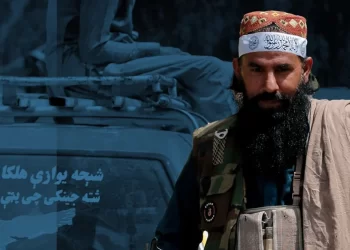
A Taliban member in a camouflage vest stands in front of a vehicle carrying armed men. (Photo Credit: AFP)
Analysis

Why Have the Taliban Lasted This Long?

19 September 2026 [t_time:1789843474]
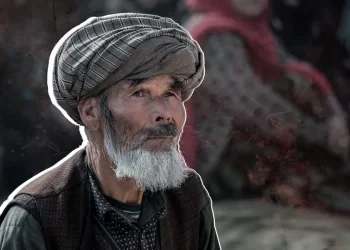
An elderly man from Afghanistan looks on, as many families across the country rely on remittances from relatives abroad to survive worsening poverty. (Photo credit: AFP)
Daily Reports

Poverty and Hunger Deepen in Afghanistan as Families Depend on Remittances from Abroad

9 September 2026 [t_time:1788956650]
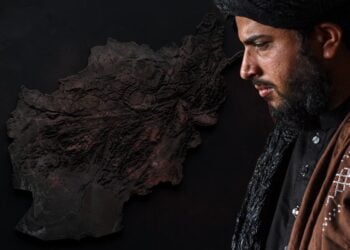
A Talib official gazes downward beside a textured relief map of Afghanistan, symbolizing the country's uncertain path under continued Taliban rule. (Photo credit: AFP)
Analysis

Afghanistan’s Future Under Continued Taliban Rule

26 August 2026 [t_time:1787754265]

Latest

Loading latest news...

Popular stories

  • An aerial view shows collapsed buildings and widespread damage following an earthquake in Panama (Photo: Reuters)

    More Than 200 Aftershocks Recorded in Panama Since Friday’s Earthquake

    Share
    Share Tweet
  • UN Report Reveals Shifts in Family Attitudes and Rise in Domestic Violence in Afghanistan

    Share
    Share Tweet
  • Axios: Trump Expects Ukraine Not to Attack Russian Oil Refineries

    Share
    Share Tweet
  • The Politics We Inherited: Rethinking Afghanistan’s Political Culture

    Share
    Share Tweet
  • Mujahid: Pakistan Should Address Its Internal Problems Instead of Making Accusations

    Share
    Share Tweet

Podcast

Insights
Insights

Join Lynne O’Donnell for 8AM’s podcast series, Insights.
Lynne talks with generals, diplomats, soldiers, journalists, politicians, activists, people who have front row seats for conflicts around the world, and citizens with a story to tell, happy or sad. For this first series, Afghanistan is the focus. Lynne and her guests talk about the collapse of the republic in August, 2021, and the impact since — for the people of Afghanistan, for the security of the region, for the safety of the world. It’s important, interesting and insightful.

Insights/22: Controlling the Narrative with Mina Sharif
byinsights8am

Controlling the Narrative

Lynne O’Donnell talks with Mina Sharif, author, activist, women’s rights campaigner, educator and mentor. They discuss who controls the narrative and who speaks for Afghanistan’s people when the Taliban appear to have seized control not only of the country but of the message, too.

Have a listen

Insights/22: Controlling the Narrative with Mina Sharif
Episode play icon
Insights/22: Controlling the Narrative with Mina Sharif
Episode Description
Episode play icon
Insights/21: Media Meltdown with Zahra Joya
Episode Description
Episode play icon
Insights/20: Terror Inc with Scott Richards
Episode Description
Episode play icon
Insights/19: Busting Stereotypes with Bushra Gohar
Episode Description
Episode play icon
Insights/18: Media Matters with Waliullah Rahmani
Episode Description
Episode play icon
Insights/17: What Goes Around Comes Around with Sima Samar
Episode Description
Search Results placeholder
Hasht-e Subh

8AM Media, also known as Hasht-e-Subh Daily, stands as Afghanistan's premier independent and non-profit newspaper, resonating as a beacon of journalistic integrity since its establishment in June 2007 by esteemed Afghan journalists and human rights advocates. With a steadfast commitment to citizen journalism and civic education, Hasht-e-Subh Daily has earned its place as the most esteemed publication in the nation.

Publisher: Sanjar Sohail
Email: [email protected]
Executive Director: Parwiz Kawa
Email: [email protected]

Read More

Closure of Women’s Beauty Salons: Female Hairdressers Struggle with Unemployment and Fight to Make Ends Meet

High Costs, Poor Quality: Citizens Complain About Postal Services in Afghanistan

Afghanistan Needs a Nation, Not Ethnic Turns at Power

Taliban: 681 Afghan Migrants Returned to the Country in One Day

Taliban Suspend BBC Persian Radio Broadcasts in Afghanistan

Editor’s Choice

Every Saturday morning, 8AM MEDIA English Services Department will guide you through the week’s biggest stories from Afghanistan and the international community.

Subscribe

© 2026 - ©Hasht-e Subh Daily

No Result
View All Result
8am.Media
پښتو ویب‌پاڼه
ویب‌سایت فارسی
اۉزبېکچه ویب‌سایت
  • Home
  • News
    • Afghanistan News
    • World News
  • Opinion
    • Editorial
    • Analysis
  • Reports
    • Daily Reports
    • Investigative Reports
  • Society
    • The story of people
  • Women’s Word
  • Columns
    • Three Years After Afghanistan’s Fall: The Taliban’s Resurgence
    • Towards Equality
    • The Resurgence of the Taliban: Two Years Since Afghanistan’s Fall
    • Hebatullah Report Special Edition
    • Resistance for Education Special Edition
    • Special Column on Taliban’s Education Curriculum
    • Nawroz
  • Interviews
  • Contact Us
    • About Us
    • 8AM MEDIA Annual Awards
    • Submit an Article to Hasht-e-Subh
  • 8am.media

© 2026 - ©Hasht-e Subh Daily