
Several Kabul residents are complaining about corruption and personal misuse in blood banks following the Taliban’s return to power in Afghanistan. They say that in many cases, these banks do not provide blood to patients, forcing families to turn to social media, relatives, and WhatsApp groups to secure the required blood. According to them, in some instances, even when a patient does not need blood, relatives are asked to donate, and the blood is later sold on the market.
Kabul residents, in interviews with the Hasht-e Subh Daily, stress that rare blood types are not provided to patients even when available. They also state that some blood bank officials sell blood at exorbitant prices on the black market. They believe the continuation of this situation could seriously endanger patients’ lives. These residents are calling for public awareness about blood donation and about patients’ right to access hospital services in Kabul.
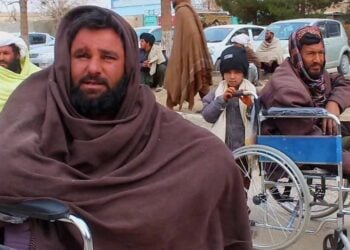
These days, it is difficult to find anyone in Kabul who has not encountered announcements in WhatsApp groups, Facebook pages, other social media platforms, or even in various neighborhoods of the city, requesting blood types A, B, or O along with contact numbers. Some individuals can also be seen in crowded areas of Kabul carrying notices seeking blood donations to secure blood for their patients. Long lines are visible outside the central blood bank department, where people have reportedly been waiting for weeks in the hope of receiving blood.
Salahuddin, one of these Kabul residents, says he has repeatedly stood in line at the central blood bank in Kabul, but after hours of waiting, he has been unsuccessful. He adds that the center provides blood to those who can pay for it or who have relatives and acquaintances there.
This Kabul resident adds: “Hospitals behave as though there is no government-run blood bank, and we are forced to find the required blood for our patient from outside. My aunt was ill and needed blood. When we took her to the Jamhuriat Hospital, we were repeatedly harassed because doctors said there was no blood available. We had to buy blood several times because the required blood types were not available. For transfusion, we had to purchase 300 to 500 cc of red blood cells, which were then processed into white blood and injected, which was very costly.”
Sardar, another Kabul resident, says that despite the presence of blood banks in the city, access to blood for patients remains difficult, and families face serious problems during emergencies. He adds that even when blood, particularly rare types, is available in banks, it is not easily provided to patients, causing severe anxiety for families in critical situations.
Sardar says, “Even if blood is available, it is not easily given to everyone, especially rare blood types. My son was hospitalized at the French Medical Institute, and his blood type was O Rh negative. Finding blood for him was extremely difficult, even though I am a medical professional and have sufficient knowledge.”
Sultan, another Kabul resident, says that three weeks ago his father needed blood during a surgical procedure but was unable to obtain it from blood banks. He adds that he had no choice but to seek help from relatives and friends. He says, “My father needed blood due to prostate surgery. Although people donate blood, the banks are unable to provide it. We had to call friends and relatives so that someone with a matching blood type could come. We had no hope in the blood bank. When we went there, they said no blood was available.”
Gulab, a Kabul resident, says that the blood distribution process in Afghanistan has turned into favoritism following the Taliban’s takeover, and the limited sense of accountability that existed during the republic has disappeared. He adds, “The limited equipment available in hospitals is not accessible to ordinary people. Ordinary people and those coming from remote areas do not have sufficient access to blood banks. One of the main problems is low public awareness. Banks and hospitals mostly allocate blood to specific individuals and projects, and ordinary people cannot benefit from it.”
Sajjad, another Kabul resident, says that blood banks are often unwilling to distribute blood to patients. According to him, these banks make excuses that the available blood does not match the patient’s blood type and must be obtained from outside.
Sajjad says, “When we refer to blood banks in Afghanistan, they usually provide various excuses. One of the constant excuses is that the blood does not match the patient and must be sourced externally. Even when people voluntarily donate blood, this blood is not given to patients when needed. We ask the Taliban and officials to pay serious attention to blood management and prevent a catastrophe. Not every patient should be forced to purchase blood, because many families lack financial means, and patients’ lives are at risk.”
Meanwhile, some blood donors say their donations should be reserved for patients who cannot afford to buy blood.
Habib, a Kabul resident, says that he and his friends go to donate blood, and sometimes blood banks exchange blood with donors. He adds, “Most people who need blood send messages to our educational center. We have many students who voluntarily donate blood. At times, the workload at the blood bank is heavy, and we are aware that these banks exchange different blood groups to prevent shortages.”
At the same time, some doctors say that blood reserves in Kabul’s blood banks are facing serious challenges. They add that shortages of rare blood types, as well as overall shortages, occur due to insufficient donors, a lack of awareness campaigns, and limited facilities for collection and storage.
Bismillah Gaffari, a doctor, says: “In a country like Afghanistan, the absence of a proper blood collection system prolongs patients’ recovery. Promoting a culture of blood donation through media and social, health, and community centers, organizing blood collection campaigns, increasing facilities and staff at blood banks, and establishing a donor registration system could be effective solutions.”
According to this doctor, blood donation strengthens cardiovascular health and helps regulate blood levels in the body. In his view, healthy and eligible individuals who meet age and weight requirements, have adequate blood pressure and hemoglobin levels, and do not suffer from cardiovascular diseases can improve their physical and mental health through donation while also saving the lives of patients in need.
Previously, Abdul Basit Taheri, head of the blood collection department at the central blood bank, said in a video message recently published on Facebook by the Taliban’s Ministry of Public Health that more than 100 people donate blood daily, amounting to between 30,000 and 35,000 donors annually. He warned that losing one to two liters of blood can be fatal.
Amid numerous challenges in the healthcare sector in Afghanistan, many people continue to search for blood through public notices even in emergencies and cases of anemia, as they cannot afford to purchase blood, and this situation, at times, results in the loss of patients’ lives.
You can read the Persian version of this report here:
بحران تهیه خون برای بیماران در کابل؛ فساد و سوءاستفاده جان بیماران را تهدید میکند