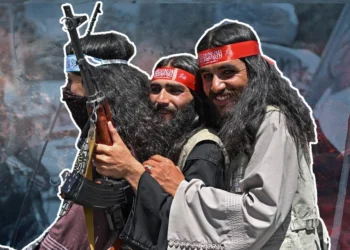
On the eve of the fourth anniversary of the Taliban’s dominance over Afghanistan, the atmosphere in Kabul has once again transformed into a stark tableau of fear, repression, and widespread violations of personal privacy. Indiscriminate inspections of mobile phones, the pursuit of women in the streets, and the constant dread of detention have become integral to the daily lives of citizens who feel unsafe both at home and in public. Sources report that Taliban fighters and morality police in various locations have been inspecting citizens’ phones, including their images. According to individuals interrogated by the Taliban, the group thoroughly examines all aspects of mobile devices, including contact lists, photos, and notes.
Over the past four years, the Taliban have consistently faced accusations from international human rights organizations of widespread human rights abuses, as well as the suppression and humiliation of Afghanistan’s citizens. Beyond detaining, imprisoning, and killing several citizens, the group has turned streets into terrifying spaces where people lack any sense of security or safety outside their homes and are deeply anxious about phone inspections and invasions of their privacy by the Taliban.
Sama (pseudonym), a Kabul resident, told the Hasht-e Subh Daily: “Today, as I was trying to take a photo of a slogan on a wall, a Talib who wasn’t in military attire approached me and questioned why I was taking pictures. I said I liked it. Then he took my phone, checked the gallery, contacts, and basically everything. When he found nothing, he let me go.”
She added, “After they released me, I noticed a team scattered around, all aware of the situation without me realizing it. When I understood what was happening, I left the area and got into a car, but I still wasn’t at ease and felt like someone was still following me. I went a few streets further, turned left and right, and only after making sure no one was behind me did I head back home.”
Aynuddin (pseudonym), another Kabul resident, said: “I was walking near Abdul Haq Square when two Taliban morality police or mullahs stopped me. One of them demanded my phone. I told them I’m a civilian and have nothing special—what do you want with my phone? They said, ‘Don’t talk, just give us the phone.’ I handed it over, entered the code, and they checked my photo gallery, messages, everything. I had a few pictures of women civil activists on my phone. They asked, ‘Why do you have these pictures? You’re not a Muslim, you’re shameless, leading people to immorality.’ They held me for about 20 minutes before letting me go. You can’t move freely with them around.”
Najibullah, another Kabul resident, said: “The situation is terrifying. Every time I go out, I first check my phone and delete any photos or contacts that might cause trouble before leaving. There’s no guarantee; any Taliban fighter can stop people wherever they want. A few days ago, I was out, and the white-robed men checked my phone—first my photo gallery, then my contact list. Is this what they call security? You stop an ordinary citizen, instill fear in them, and then claim security is established? Security should be based on justice, not humiliating people or mocking their dignity.”
While Kabul residents express concern over the Taliban’s inspections of their phones, some women in the city live in intense fear of being followed or detained. They say they don’t even feel safe in their homes and are terrified of the Taliban’s presence. According to them, Taliban fighters pursue women in various locations, completely eroding their sense of security and peace, yet the Taliban label this climate of fear and terror as “security.”
Lina (pseudonym), a citizen of Afghanistan, said her sister, who recently returned from Iran to Kabul, was followed by two Taliban fighters from start to finish while out with a family member looking for a rental house. She said, “Women in Kabul have no security. My sister was followed from her home to her destination, and when she returned, she was both scared and bewildered about why she was being followed. She doesn’t feel safe or secure anywhere.”
A female journalist in Kabul said detentions have increased, and women are avoiding leaving their homes out of fear. According to her, journalists working online are constantly anxious about being identified. She added: “Every time someone knocks on the gate, I get scared and think the Taliban have come to arrest me.”
Previously, the United Nations Assistance Mission in Afghanistan (UNAMA) stated in multiple reports that the Taliban conducted interrogations and widespread phone inspections of citizens without any legal process or official authorization. UNAMA has warned that such actions place citizens in a constant state of fear and anxiety.
Amnesty International, in its report titled Death in Slow Motion: Women and Girls Under Taliban Rule, documented the systematic suppression of women’s rights and highlighted a broad structure that includes control over citizens’ mobile phones. The organization emphasized that such actions are part of a deliberate and cohesive system that deprives women of their rights to access information, communicate freely, and enjoy freedom of expression.
In its latest report, Human Rights Watch stated that the Taliban have intensified their crackdown by increasing restrictions on women’s and girls’ rights, detaining journalists, and silencing any form of protest. The organization stressed that Afghanistan is currently facing one of the world’s most severe humanitarian crises.
You can read the Persian version of this report here:
سرکوب وحشیانه و بازرسی بیرحمانه؛ حریم خصوصی مردم زیر ذرهبین طالبان