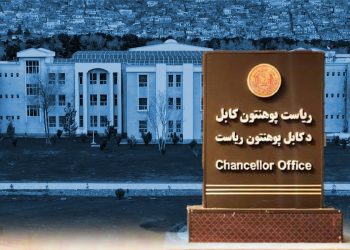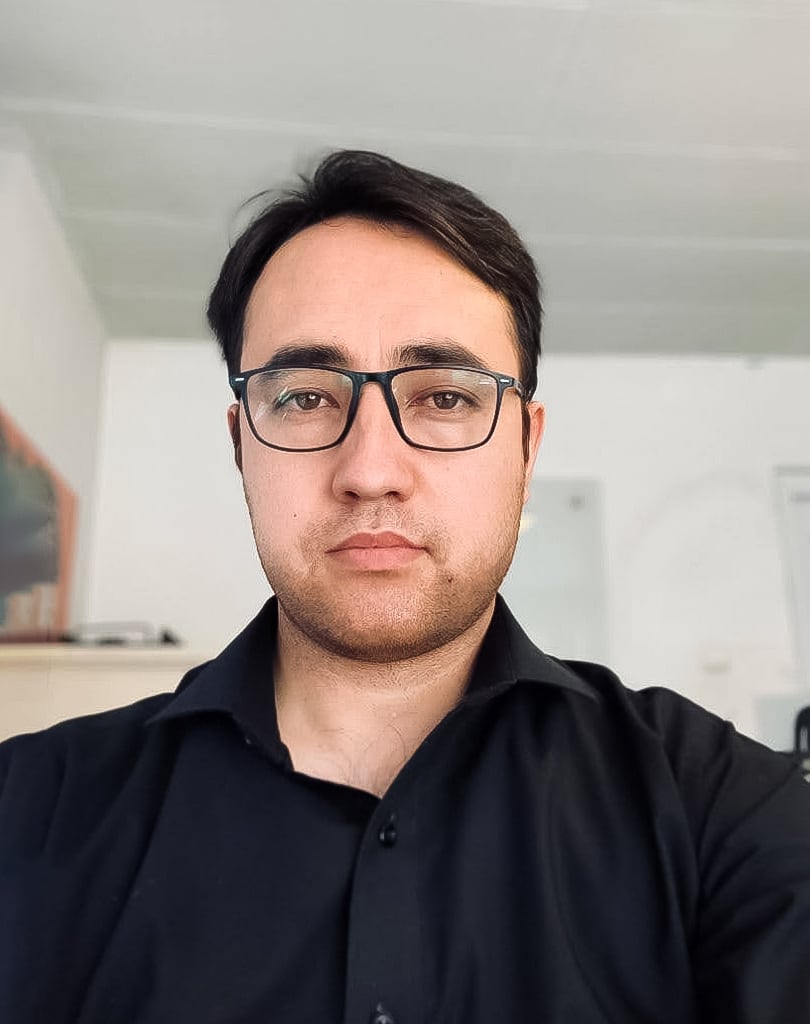

Two prominent Shia clerics have spoken out against ongoing religious repression in Afghanistan, saying pressure on followers of the Jaafari school of Islamic jurisprudence has intensified. People come to them in tears over the burdens the Taliban impose on them, they said. Over the past five years, alongside a broad crackdown on citizens, the Taliban have continued to tighten restrictions on Shia Muslims and followers of other religious traditions in Afghanistan. As part of their policies of religious exclusion and suppression, the Taliban in 2026 required all students at both public and private universities to sign pledges committing them to follow the Hanafi school of jurisprudence. The Taliban’s Minister of Higher Education had previously claimed that all people of Afghanistan follow the Hanafi school, effectively denying the existence of other religious traditions within the country.
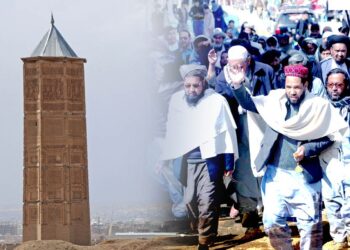
Ayatollah Ghulam Abbas Vaezzadah Behsudi, a leading Shia religious authority in Afghanistan, spoke out against the Taliban’s treatment of Shia Muslims during his Eid prayer sermon. He said these pressures are not in the country’s interest, warning that “when pressure becomes too great, an explosion will happen whether you want it or not, and things must not be allowed to reach that point.” People come to religious scholars and weep over the pressures being imposed on them, he added.
Despite their claims of “adherence to sharia and religious devotion,” the Taliban are increasing religious pressure on Shia Muslims day by day, Behsudi said. This has driven people to approach clerics with tearful eyes, seeking to voice their grievances over the restrictions and burdens imposed on them, he noted.
The prominent Shia cleric added, “On one hand, they tell us not to speak in the media. Fine, we have largely stayed silent in the media for nearly two years. But what are we to do about people coming to us? People come to us as their religious reference. They come to us in tears over the injustices of the Kochs. They come to us in tears over religious pressures. What are we to do? If we do not tell you the people’s grievances, who are we to tell?”
He warned that these practices must not only be reduced but stopped entirely. In some cases, even the dignity of religious scholars has not been respected, he noted, with several prominent clerics summoned and pressured to pledge not to officiate temporary marriages, even though followers of the Jaafari school of jurisprudence consider themselves bound to observe the teachings and rulings of their faith.
He also said the Taliban have pressured university students to adopt the Hanafi school of jurisprudence. He described religious identity as a “red line” for people, one that is neither negotiable nor something that can be overlooked. Changing one’s religious school through force, pressure, and coercion is impossible, and such policies only deepen divisions, he stressed. He asked: “If someone were to ban Tarawih prayers, how difficult would that be for the Taliban?”
Vaezzadah Behsudi also said Shia scholars have been unable to meet with senior Taliban officials throughout this period. Shia religious scholars sent a 200-page letter to the Taliban Supreme Leader approximately two years ago, but have received no response to date, he noted. “Our letter gets no reply, they give us no time to meet, and on top of that, they tell us not to speak in the media,” he said.
He said he had maintained silence in the media for the past two years, but that escalating pressures and the unrelenting stream of people seeking him out compelled him to break that silence. He also protested other forms of pressure the Taliban have exerted on people, including the confiscation of weapons. In the first phase, people handed over all government-issued weapons, and in the second phase, their personal weapons were also collected, even though Taliban officials had pledged that personal weapons would not be taken, he said. A third phase has now begun, in which lower-ranking Taliban members are forcing people to pay money in exchange for their weapons, he added.
Behsudi also voiced support for girls’ education, saying opposition to women’s education has no basis in any religion or creed. He declared that Shia religious scholars will no longer offer advice or guidance to the Taliban, calling his remarks “a final appeal.” He added: “Over the years, we have repeatedly offered counsel, goodwill, advice, and guidance, but the Taliban’s ears are deaf.”
He also addressed the Kochis’ issue, describing it as a historically contentious problem. Several innocent people were killed last year in clashes between Kochis and settled communities, he noted. He called on the Taliban to implement an agreement signed three years ago between representatives of the Kochis and settled communities, in the presence of local Ghazni officials, under which armed Kochis are not to enter residential areas. Despite this agreement, armed Kochis continue to enter these areas, he said. He also called for the payment of blood money or the enforcement of retribution for the victims of last year’s clashes between Kochis and settled communities.
It is worth noting that this prominent Shia cleric, who is now voicing sharp criticism of the current situation, previously attended a gathering of approximately 2,000 people organized by Shia communities in support of the Taliban on November 25, 2021, where he expressed support for efforts to present the demands of the Hazara community to the Taliban.
At the same time, Ayatollah Syed Mohsen Hujjat, another prominent Shia cleric in Afghanistan, indirectly referenced the pledge that the Taliban’s Ministry of Higher Education has been forcing students to sign. He said, “It makes no sense for universities to hand people a form asking them to write that they commit to following the Hanafi school. This is contrary to Sharia. A school of jurisprudence is not a religion; it is a path toward religion. We are committed to practicing Islam. One follows Islam through the Hanafi school, another through the Jaafari school. Both have the same destination; the paths differ. Can you tell a Hanafi person to write and sign a commitment to follow the Jaafari school? Just as he would not sign it, neither can we.”
Shia scholars are protesting the intensification of religious pressures even as Hibatullah Akhundzada, the Taliban Supreme Leader, has not included a single Shia cleric in any of the “Councils of Scholars” he has established across Afghanistan.
These concerns arise against the backdrop of a previous report by the United Nations Assistance Mission in Afghanistan (UNAMA), which stated that the Taliban had forced dozens of followers of the Ismaili school of Islam to renounce their faith. According to that report, the Taliban in Badakhshan arrested these individuals from their homes at night and subjected them to interrogation on religious matters.
The Taliban had also previously presented university students with a compulsory 14-point pledge requiring all students to follow and accept Sunni Islam and to raise no questions on the matter. Article six of that pledge states: “Noting that the people of Afghanistan follow the Sunni school of the Congregation, under the jurisprudence of Imam Abu Hanifa the Great, and in accordance with the wishes of the system [Taliban regime], I too shall follow and abide by the said school.”
Taliban Minister of Higher Education Neda Mohammad Nadim had previously claimed that no school of Islam other than the Hanafi school exists in Afghanistan, asserting that “all people of Afghanistan follow the Hanafi school.”
Ziaulah Hashmi, the spokesperson for the Taliban’s Ministry of Higher Education, shared excerpts of that official’s speech on the social media platform X, in which the minister denies the existence of other religious schools in Afghanistan.
Taliban governor of Herat, Noor Mohammad Islamjar, has described Shia Muslims as a “takfiri sect” and “historically complicit with infidels” in a book titled “Mabahith fi al-Aqida al-Maturidiyya al-Musamma Muʿtamad Maturid min Muʿtaqad Maturid.”
These statements come in the context of a previous report by the United States Commission on International Religious Freedom (USCIRF), which, in a report titled “Religious Freedom and Women’s Rights in Afghanistan,” concluded that the Taliban’s takeover has severely curtailed the religious freedom of people in Afghanistan.
The Asian Forum for Human Rights and Development has also stated that the Taliban have banned the religious freedom and freedom of belief of Shia Muslims.
The Taliban have banned the teaching of Jaafari jurisprudence, which had been offered at several universities across the country, and have rejected all requests to reverse this decision.
You can read the Persian version of this report here:
گوش کر یا انکار مذهبی؛ طالبان کارد بر استخوان شیعیان رساندهاند؟