• 8AM.MEDIA
  • ویب‌سایت فارسی
  • پښتو ویب‌پاڼه
  • اۉزبېکچه ویب‌سایت
  • Podcast
Thursday, October 15, 2026
Hasht-e Subh
  • Home
  • News
    • Afghanistan News
    • World News
  • Opinion
    • Editorial
    • Analysis
  • Reports
    • Daily Reports
    • Investigative Reports
  • Society
    • The story of people
  • Women’s Word
  • Columns
    • Three Years After Afghanistan’s Fall: The Taliban’s Resurgence
    • Towards Equality
    • The Resurgence of the Taliban: Two Years Since Afghanistan’s Fall
    • Hebatullah Report Special Edition
    • Resistance for Education Special Edition
    • Special Column on Taliban’s Education Curriculum
    • Nawroz
  • Interviews
  • Contact Us
    • About Us
    • 8AM MEDIA Annual Awards
    • Submit an Article to Hasht-e-Subh
  • 8am.mediaBack
Subscribe
No Result
View All Result
  • Home
  • News
    • Afghanistan News
    • World News
  • Opinion
    • Editorial
    • Analysis
  • Reports
    • Daily Reports
    • Investigative Reports
  • Society
    • The story of people
  • Women’s Word
  • Columns
    • Three Years After Afghanistan’s Fall: The Taliban’s Resurgence
    • Towards Equality
    • The Resurgence of the Taliban: Two Years Since Afghanistan’s Fall
    • Hebatullah Report Special Edition
    • Resistance for Education Special Edition
    • Special Column on Taliban’s Education Curriculum
    • Nawroz
  • Interviews
  • Contact Us
    • About Us
    • 8AM MEDIA Annual Awards
    • Submit an Article to Hasht-e-Subh
  • 8am.mediaBack
No Result
View All Result
Hasht-e Subh
No Result
View All Result

Energy Drinks: Temporary Relief, Lasting Harm

Elina Qalam Elina Qalam
27 December 2025 - Solar Hijri Date: 1404/10/06 [t_time:1766848424]
Energy drinks and bottled beverages are displayed at a Kabul shop, reflecting the widespread availability of these products across Afghanistan despite growing health concerns raised by medical experts. (Photo Credit: 8am.media)

8am.media

These days, energy drink billboards line many streets across Kabul, catching the eyes of passersby at every turn. Yet behind their bright colors and bold promises, doctors raise serious concerns. They warn that repeated consumption threatens public health and should not become a daily habit. According to medical professionals, regular use of energy drinks directly increases the risk of heart attacks and, over time, can also lead to strokes and other serious illnesses.

Doctors who spoke with the Hasht-e Subh Daily explain that the high caffeine content in energy drinks overstimulates the nervous system. When people consume these beverages regularly, dependency often follows. They believe that public awareness campaigns led by the media could play a key role in reducing consumption by clearly explaining the risks involved.

Medical experts also advise habitual consumers to slowly cut back on both how much and how often they drink energy beverages. They encourage people to replace them with healthier options such as water, lemon water, or green tea.

Bismillah Ghaffari, one of the doctors, says energy drinks may create a brief feeling of alertness, but their long-term effects harm both the body and the mind. He explains that regular use can trigger anxiety, chronic headaches, poor concentration, insomnia, sleep disturbances, and delays in falling asleep.

Ghaffari says, “Energy drinks contain caffeine, sugar, ginseng, guarana, B-group vitamins, carnitine, artificial colors, flavorings, and carbon dioxide gas. While they may appear to relieve physical and mental fatigue, they cause serious damage to the body, especially the heart and the nervous system.”

He adds, “When caffeine combines with guarana, it overstimulates the sympathetic nervous system and increases the release of hormones such as adrenaline and noradrenaline. This process puts pressure on the heart and blood vessels and can lead to high blood pressure, rapid heartbeat, irregular heart rhythms, chest pain, worsening heart failure, and even cardiac arrest.”

Medical assessments show that energy drinks contain more than 150 milligrams of caffeine per liter and often include large amounts of sugar and chemical additives. Beyond visible caffeine, they also contain hidden sources. Guarana, for instance, holds twice the caffeine found in coffee beans.

In recent years, energy drink consumption in Afghanistan has spread widely. People of all ages, including young children and pregnant mothers, drink these sweet, caffeine-heavy beverages with little concern for their health risks. Vendors sell them easily outside schools and hospitals, along busy roads, and in nearly every supermarket. They also appear at wedding ceremonies and official gatherings of Taliban officials, while television commercials and street billboards actively promote their appeal and quality.

At the same time, many Kabul residents say they rely on energy drinks to cope with thirst and daily exhaustion.

Amrullah, a private-sector employee who works night shifts, says he has depended on energy drinks for three years to manage his sleep schedule. He explains that they help him stay awake through the night. “Over the past three years, my consumption has increased a lot,” he says. “These drinks give me a short burst of energy and reduce fatigue. Even though I know they can cause sleep problems and heart disease, I still use them.”

Hilal, a computer teacher at a private school, shares a similar experience. He says he enjoys energy drinks and feels they significantly reduce his tiredness.

The Kabul resident explains, “During the summer, I drank these beverages almost every day. Later, my friends warned me that they might cause weight gain, so I tried to reduce my intake. I did notice changes in my weight, but I cannot say for sure that the drinks were the main reason. Now that the weather is colder and schools are closed, I usually drink one whenever I go out because I feel it helps ease my fatigue.”

In Afghanistan, energy drinks cost between 40 and 150 afghanis, and sometimes more. Popular brands include Red Bull, Sting, Alokozay, Monster, Commando, Attack, and Happy. Advertisements for these products appear on television screens, roadside billboards, and even inside government offices under Taliban control.

Samir, another Kabul resident, says energy drink consumption continues to rise, even though some producers avoid drinking their own products. He says, “Some of our friends own energy drink companies, but they do not consume them. They believe that if people truly understood what these drinks contain, they would never drink them.”

Bibi Zewar, also from Kabul, says she once consumed energy drinks frequently but now limits her intake after learning about their risks. She explains, “I used to drink them a lot, but now that I know they can cause bone loss, I only use them when my blood pressure drops or when I need to regulate my blood sugar. Otherwise, I mostly drink water and tea.”

Energy drink use continues to grow across Afghanistan, even as a recent study published in the American medical journal Neurology reports alarming findings. According to the study, people who regularly consume carbonated soft drinks, energy drinks, and low-calorie desserts experience noticeable declines in memory and thinking abilities. Researchers say these sweeteners can age the brain by up to 1.6 years.

Earlier, British doctors also raised concerns after documenting the case of a healthy man who suffered a stroke after drinking eight energy drinks a day. Medical experts recommend limiting daily caffeine intake to no more than 400 milligrams to avoid the dangerous effects of overconsumption.

You can read the Persian version of this report here:
نوشیدنی‌های انرژی‌زا؛ خسته‌گی موقت و بیماری دایمی

ShareTweetSendSendShare

Related Posts

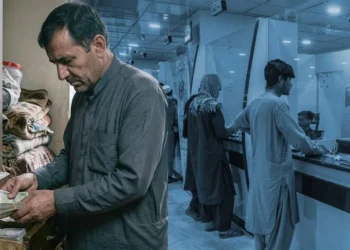
A man counts banknotes at home while customers stand at bank counters, as distrust in the banking system pushes citizens to keep cash at home. (Photo credit: AFP + AI)
Daily Reports

Distrust in Banking System Pushes Many Citizens to Keep Their Money at Home

14 October 2026 [t_time:1791999073]
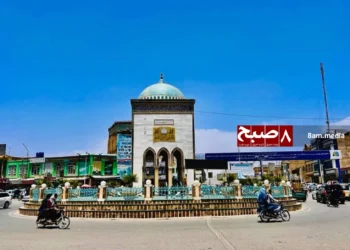
A view of the city
Afghanistan News

Two People Killed in Clashes with Taliban in Kandahar

14 October 2026 [t_time:1791999055]
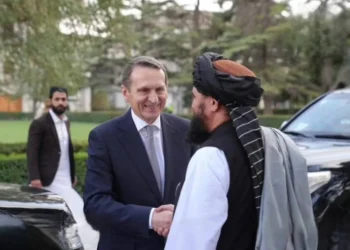
Sergey Naryshkin - Director of Russia’s Foreign Intelligence Service shaking hands with Abdul Haq Wasiq - the Taliban’s intelligence chief, upon his arrival in Kabul (Photo: @bnadari1)
Afghanistan News

Russian Foreign Intelligence Chief Arrives in Kabul

14 October 2026 [t_time:1791997492]

Latest

Loading latest news...

Popular stories

  • An aerial view shows collapsed buildings and widespread damage following an earthquake in Panama (Photo: Reuters)

    More Than 200 Aftershocks Recorded in Panama Since Friday’s Earthquake

    Share
    Share Tweet
  • Axios: Trump Expects Ukraine Not to Attack Russian Oil Refineries

    Share
    Share Tweet
  • UN Report Reveals Shifts in Family Attitudes and Rise in Domestic Violence in Afghanistan

    Share
    Share Tweet
  • The Politics We Inherited: Rethinking Afghanistan’s Political Culture

    Share
    Share Tweet
  • Mujahid: Pakistan Should Address Its Internal Problems Instead of Making Accusations

    Share
    Share Tweet

Podcast

Insights
Insights

Join Lynne O’Donnell for 8AM’s podcast series, Insights.
Lynne talks with generals, diplomats, soldiers, journalists, politicians, activists, people who have front row seats for conflicts around the world, and citizens with a story to tell, happy or sad. For this first series, Afghanistan is the focus. Lynne and her guests talk about the collapse of the republic in August, 2021, and the impact since — for the people of Afghanistan, for the security of the region, for the safety of the world. It’s important, interesting and insightful.

Insights/22: Controlling the Narrative with Mina Sharif
byinsights8am

Controlling the Narrative

Lynne O’Donnell talks with Mina Sharif, author, activist, women’s rights campaigner, educator and mentor. They discuss who controls the narrative and who speaks for Afghanistan’s people when the Taliban appear to have seized control not only of the country but of the message, too.

Have a listen

Insights/22: Controlling the Narrative with Mina Sharif
Episode play icon
Insights/22: Controlling the Narrative with Mina Sharif
Episode Description
Episode play icon
Insights/21: Media Meltdown with Zahra Joya
Episode Description
Episode play icon
Insights/20: Terror Inc with Scott Richards
Episode Description
Episode play icon
Insights/19: Busting Stereotypes with Bushra Gohar
Episode Description
Episode play icon
Insights/18: Media Matters with Waliullah Rahmani
Episode Description
Episode play icon
Insights/17: What Goes Around Comes Around with Sima Samar
Episode Description
Search Results placeholder
Hasht-e Subh

8AM Media, also known as Hasht-e-Subh Daily, stands as Afghanistan's premier independent and non-profit newspaper, resonating as a beacon of journalistic integrity since its establishment in June 2007 by esteemed Afghan journalists and human rights advocates. With a steadfast commitment to citizen journalism and civic education, Hasht-e-Subh Daily has earned its place as the most esteemed publication in the nation.

Publisher: Sanjar Sohail
Email: [email protected]
Executive Director: Parwiz Kawa
Email: [email protected]

Read More

India and Russia Hold Talks on Afghanistan and Pakistan

Houthis Claim to Have Targeted Saudi Fighter Jet

Zelensky Says Ukraine Is Losing US Support

Ala al-Din Jahansuz: A King Fond of Poetry and Music

Saudi Arabia Versus the Houthis: A Test of Reliance on America

Editor’s Choice

Every Saturday morning, 8AM MEDIA English Services Department will guide you through the week’s biggest stories from Afghanistan and the international community.

Subscribe

© 2026 - ©Hasht-e Subh Daily

No Result
View All Result
8am.Media
پښتو ویب‌پاڼه
ویب‌سایت فارسی
اۉزبېکچه ویب‌سایت
  • Home
  • News
    • Afghanistan News
    • World News
  • Opinion
    • Editorial
    • Analysis
  • Reports
    • Daily Reports
    • Investigative Reports
  • Society
    • The story of people
  • Women’s Word
  • Columns
    • Three Years After Afghanistan’s Fall: The Taliban’s Resurgence
    • Towards Equality
    • The Resurgence of the Taliban: Two Years Since Afghanistan’s Fall
    • Hebatullah Report Special Edition
    • Resistance for Education Special Edition
    • Special Column on Taliban’s Education Curriculum
    • Nawroz
  • Interviews
  • Contact Us
    • About Us
    • 8AM MEDIA Annual Awards
    • Submit an Article to Hasht-e-Subh
  • 8am.media

© 2026 - ©Hasht-e Subh Daily