
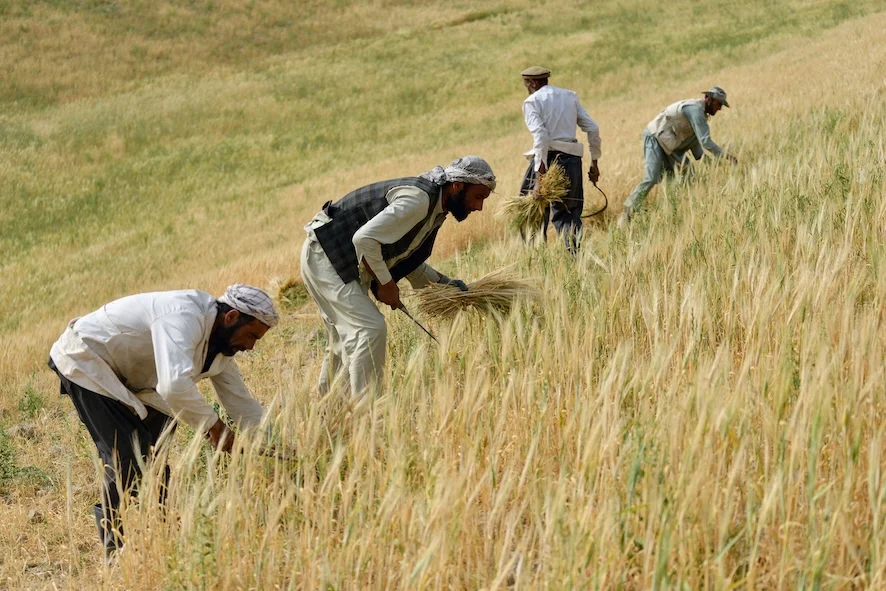
The United Nations Food and Agriculture Organization (FAO) has forecast that above-average rainfall could support rain-fed wheat cultivation while also increasing the risk of flash floods.
The agency addressed the issue in its Afghanistan Climate and Agricultural Outlook for the 2026–2027 wet season, published on Sunday, October 11.
According to the outlook, eastern, northeastern, northern and central regions of Afghanistan are expected to receive more rainfall in October.
The rainfall could increase soil moisture and create favorable conditions for winter crops, particularly rain-fed wheat.
However, FAO warned that intense, localized rainfall in October could trigger flash floods and disrupt the harvesting of remaining summer crops and orchard fruits.
Meanwhile, rising prices for chemical fertilizers and seeds, along with unfavorable market conditions for summer crops, are limiting farmers’ ability to invest in winter planting.
Despite these challenges, adequate rainfall could help farmers maintain or expand the area planted with rain-fed wheat.
FAO also said that as winter approaches, pasture forage availability is expected to decline while livestock feed requirements increase.
According to the outlook, livestock owners in some areas are purchasing fodder and adjusting the size of their herds in preparation for winter.
FAO warned that these conditions could place additional pressure on livestock owners in areas with limited pasture resources.