A number of protest movements and civil society organizations have expressed concern over the continued restrictions on fundamental rights and freedoms, particularly those of women and girls, as the Taliban enter their fifth year in power.
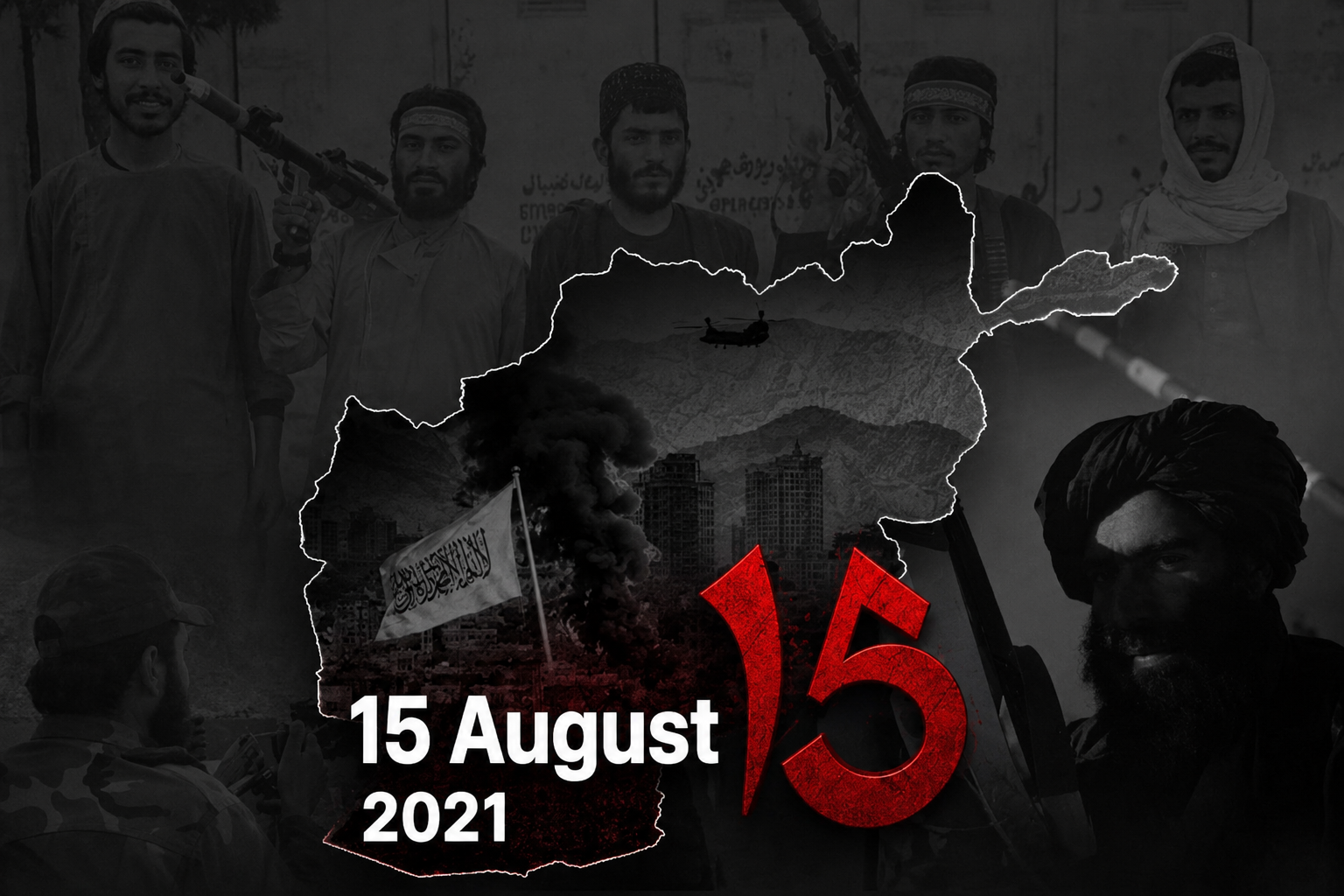
In a statement issued on Saturday, August 15, the movements and organizations described the day Kabul fell to the Taliban as one of the darkest periods in the country’s contemporary history.
Emphasizing the principles of international law and global human rights commitments, they outlined demands concerning human rights, women’s rights, freedom of expression, and restrictions on fundamental freedoms, particularly those affecting women and girls.
In part of the statement, the organizations and protest movements called for immediate international attention to the human rights situation. They also called for stronger gender equality and guarantees for freedom of expression, media freedom, and free access to information.
The civil society organizations and protest movements also stressed the need to uphold humanitarian principles, protect the rights of asylum seekers, prevent forced returns, ensure accountability for human rights violations, and pursue peaceful solutions based on the rule of law.
However, since the Taliban returned to power, women have been barred from education, employment, travel, and participation in public life.