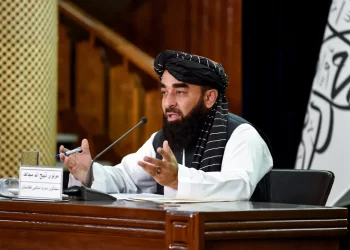
Over the past two months, the Taliban have publicly flogged 126 individuals, including both women and men, across 19 provinces on charges such as extramarital sexual relations, phone contact with unrelated individuals, fleeing from home, theft, and drug trafficking. This wave of floggings has not elicited significant reactions from international human rights organizations. The data cited is based on reports published by the Hasht-e Subh Daily and statements from the Taliban’s Supreme Court. Other instances where Taliban morality police or fighters have detained, humiliated, or conducted extrajudicial tribunals in various parts of the country are not included in this report due to limited access to information.
These individuals were publicly flogged in the provinces of Kabul, Daikundi, Paktia, Balkh, Jawzjan, Takhar, Kunar, Sar-e Pul, Ghazni, Kapisa, Faryab, Nangarhar, Parwan, Maidan Wardak, Samangan, Badakhshan, Paktika, Laghman, and Logar. In addition to flogging, they were sentenced to short-term, medium-term, and long-term imprisonment.
The report’s findings indicate that the majority of these individuals were flogged on charges of “extramarital sexual relations.” However, in most of their statements, the Taliban refrain from mentioning the names of women, making it challenging at times to determine the gender of those flogged on these charges. According to the same report, in the period between May and July 2025, 25 women were among the 126 individuals flogged.
The Taliban are relentlessly flogging those they deem guilty, a practice that some citizens say is gradually becoming normalized in Afghan society. According to these individuals, the psychological harm caused by such actions, violations of human dignity, and encroachments on the privacy of Afghanistan’s citizens are being disregarded, with the Taliban acting as they please.
Ahmadullah, a citizen of Afghanistan, commented on the issue: “When something is repeated frequently in society, it becomes normalized. Flogging has also become a routine matter. The Taliban control everything from mosque pulpits to school desks, using them to propagate and defend their medieval behavior and extrajudicial tribunals. People, either out of fear or due to religious beliefs, have grown accustomed to the normalization of oppression and flogging, which undermines human dignity. They pass by it indifferently, and in some cases, this situation has even turned into a form of entertainment, with thousands gathering in stadiums to witness floggings.”
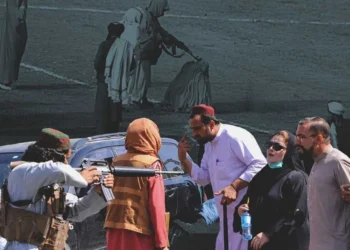
Amid intensified Taliban actions against women, reports indicate that between July 16 and July 19, 2025, dozens of women and girls in Kabul were detained for allegedly failing to comply with the Taliban’s dress code guidelines. These individuals were primarily arrested in western and central areas of Kabul, such as Dasht-e Barchi and Shahr-e Naw, and were taken to undisclosed locations. Their families remain unaware of their whereabouts or conditions, with some reports suggesting instances of torture and mistreatment of the detainees.
In a recent case, Mohammad Zakari, the preacher of Kabul’s Abdul Rahman Mosque, defended the detention of women and the restrictions imposed by the Taliban during his Friday sermon on August 1, 2025. He stated that women must only use one eye to see their way outside the home. Citing a hadith, he declared, “It is not permissible for a woman to leave the house without a male guardian,” adding that if a woman does so, “God, the angels, and all creatures of the earth and heavens curse her.”
The British outlet Daily Mail reported on executions, stonings, and physical punishments meted out by the Taliban to those they accuse, noting that the group has imposed heavy punishments even on individuals who may not have committed any crimes. According to the report, the Taliban have dismantled all liberal values that had driven progress in Afghanistan over the past two decades, particularly in securing women’s rights, and have imposed severe punishments on both women and men.
Richard Bennett, the UN Special Rapporteur on the human rights situation in Afghanistan, has warned about the Taliban’s extrajudicial tribunals, describing them as blatant violations of human rights and principles of justice. He emphasized that these tribunals are typically held without adhering to minimum standards of fair trial, with defendants denied access to legal counsel and limited or no opportunity to defend themselves. Bennett stated that such practices exacerbate injustice, political repression, and fear in society, urging an immediate halt to these extrajudicial tribunals and full respect for human rights and international law.
An organization named “Farageer” examined the Taliban’s Law for the Propagation of Virtue and Prevention of Vice in a report, stating that the law imposes extensive restrictions on women’s clothing, social interactions, movement, and bodily autonomy, effectively institutionalizing gender discrimination within the governmental system, leading to gender apartheid. The report’s findings indicate that since the issuance of the Law for the Propagation of Virtue and Prevention of Vice, oversight by the Taliban’s morality police has intensified, resulting in harassment, detention, and physical assault of women.
The United Nations Assistance Mission in Afghanistan (UNAMA), in its quarterly reports, has stated that public floggings and physical punishments by the Taliban violate international humanitarian law and has called on the Taliban to cease such punishments.
Human Rights Watch, in multiple reports on the human rights situation in Afghanistan, has expressed concern, noting that these punishments are often carried out without fair trial procedures or access to legal counsel. According to the organization, such cruel punishments are prohibited under international law.
Amnesty International has reported that women have been beaten in public for violating dress code instructions or traveling without a male guardian, describing these actions as tantamount to torture and cruel, inhuman treatment.
You can read the Persian version of this report here:
شلاق و سرکوب؛ تصویر دردناک نقض حقوق بشر در افغانستان تحت سلطه طالبان