Several psychologists are warning about a recent rise in gender inequality. According to them, it has left deep and damaging psychological and physical consequences for girls. Psychologists believe that gender inequality within the family is one of the most persistent forms of social injustice in Afghanistan. It is not limited to differences in roles, but reflects an unfair distribution of power, opportunities, and decision-making rights within the household.
Samira Athar, a psychologist, warns that gender inequality has increased in the country in recent times. She says families value their sons more and invest more in them.
Ms. Athar says: “Most families do not pay attention to their daughters. In some families, having a daughter is even considered a source of shame, and families suffer from having a girl. Girls have no right to express their opinions in decision-making. These differences are more visible in families that are illiterate or do not have sufficient knowledge of religious teachings.”
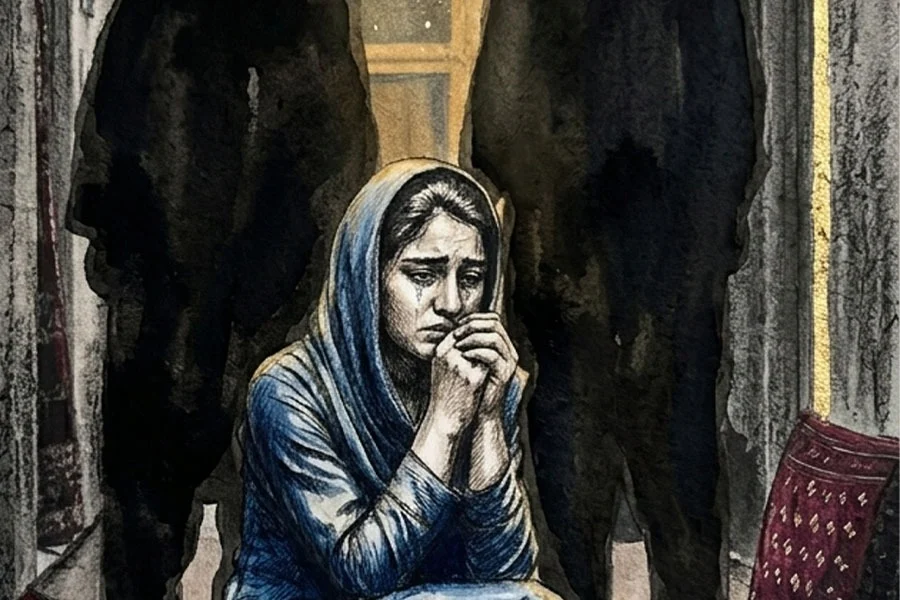
The psychologist adds: “These differences cause stress and depression, and in some cases, girls have committed suicide. Gender discrimination is more widespread in remote districts and in the provinces.”
Abdul Jalal Amarkhel, another psychologist, says discrimination between girls and boys in families can have consequences that go beyond everyday behavior. According to him, when a child is deprived of affection, educational opportunities, age-appropriate freedom, or the right to take part in decision-making because of their gender, the child’s sense of self-worth, emotional security, and self-confidence may be damaged.
The psychologist says: “At the same time, raising boys with the notion that they have more rights and privileges, or that they should not show their emotions, can negatively affect their emotional development and the quality of their future relationships.”
Mr. Amarkhel says: “The family is the first environment in which a child learns the meaning of respect, social justice, responsibility, and human relationships. If children face discrimination in this very environment, they may reproduce and repeat these patterns in their own social relationships. Girls do not need to resemble boys in order to be valued, and boys are not obliged to hide their emotions in order to be strong. Both need the opportunity to grow, as well as respect, psychological security, and fair upbringing.”
Samira Sediqi, another psychologist, also warns about the rise of gender inequality in families. According to her, because most families show more love and attention to boys, many girls face serious psychological problems.
The psychologist says: “In the first place, gender inequality reduces a child’s self-confidence. When the family, as the first environment in which a child’s personality takes shape, does not respect the child’s personality and gender, it effectively lays the ground for undermining the child’s self-confidence. Another consequence of gender inequality is improper role modeling. Children may drift away from their true identity and personality and imitate their brothers, who receive more approval and attention from the family. This situation can also weaken the personality of girls. In many families, girls’ talents are suppressed because of their gender, which gradually damages their mental health.”
Mohammadullah Baloch, a psychologist, says that under current conditions, gender bias against girls has become a social harm in the country. According to him, this harm leads to consequences such as girls running away from home, forced marriages, increased domestic violence, reduced affection and fair treatment, insults and humiliation, psychological violence, and ultimately, the formation of suicidal thoughts among girls and attempts to end their lives.
The psychologist says: “Bias, or gender inequality, is a situation in which one gender enjoys its rights, wishes, and needs, while the other gender is deprived of access to these rights and needs.”
Meanwhile, Antonio Guterres, Secretary-General of the United Nations (UN), said late last month that women and girls around the world continue to face discrimination, violence, and abuse. He said the rights of women and girls are being ignored and their voices silenced. Guterres added that “the bodies of women and girls are turned into battlefields,” and that their freedoms are also used as bargaining chips.
The UN Secretary-General described this situation as a disrespect for human dignity and a waste of human potential.
You can read the Persian version of this report here:
تبعیض جنسیتی در افغانستان؛ روانشناسان: دختران زیر فشار خانوادهها تا مرز فروپاشی روانی پیش میروند