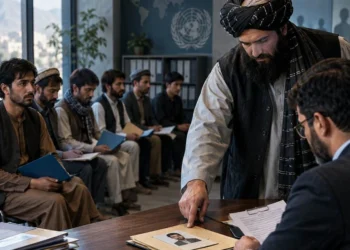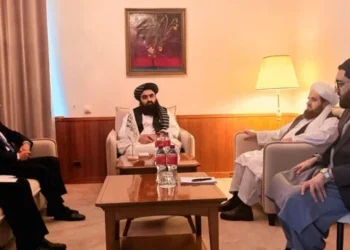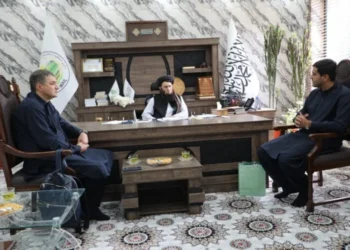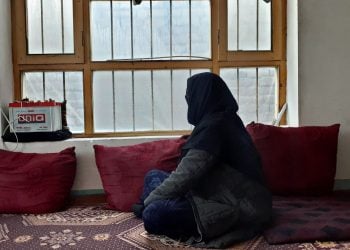
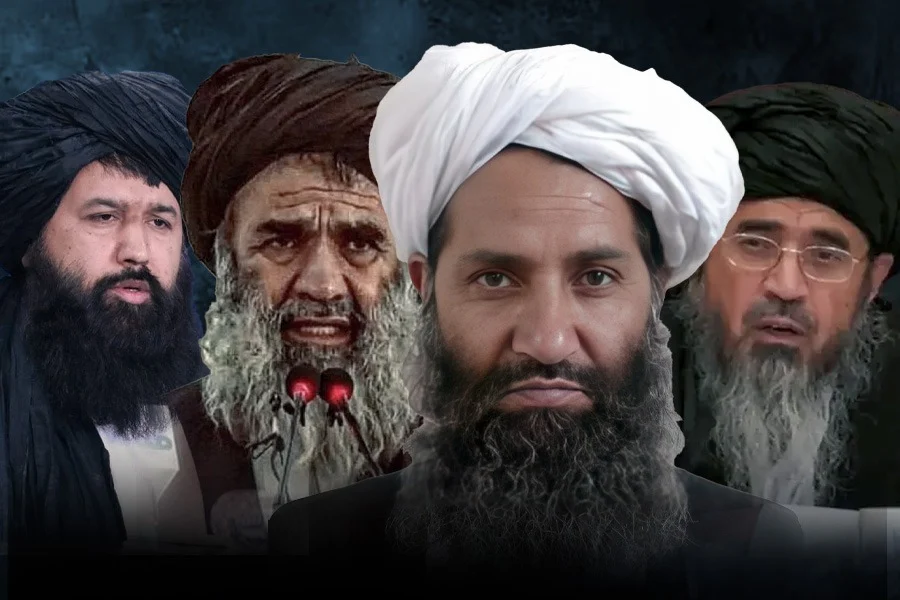
The International Criminal Court (ICC) on Monday, October 5, made public the arrest warrants for two more senior Taliban officials, which had previously been confidential. The ICC has lifted the confidentiality on the arrest warrants for Habibullah Agha, the Taliban’s Minister of Education, and Neda Mohammad Nadeem, the group’s Minister of Higher Education. The court had previously issued arrest warrants for Hibatullah Akhundzada, the Taliban Supreme Leader, and Abdul Hakim Haqqani, the head of the group’s Supreme Court. The ICC said it has released the previously confidential parts of the four warrants to the public, with some sensitive information redacted. The court said it made the arrest warrants public in order to inform victims and the public, prevent the commission of further crimes, and strengthen cooperation by the international community in enforcing the warrants. The court added that all four officials face charges of crimes against humanity, including gender-based and political persecution.
Pre-Trial Chamber II of the ICC said the first two warrants were issued on July 8, 2025, and the other two on September 9 of the same year. The arrest warrants for Hibatullah Akhundzada and Abdul Hakim Haqqani had been made public earlier, but the text of all four warrants is now available to the public, with parts of the confidential information redacted.
Charges of Gender-Based and Political Persecution
According to the published documents, Pre-Trial Chamber II of the ICC said there are reasonable grounds to believe that all four individuals bear criminal responsibility for the crime against humanity of persecution.
The court said this persecution based on gender targeted girls, women, and individuals who did not conform to the Taliban’s policy on gender, gender identity, or gender expression. According to the court, people who were identified as “allies of girls and women” and regarded by the Taliban as political opponents have also been targeted by these policies.
In interpreting the concept of “gender” in the Rome Statute, the court said the concept is not limited to the biological differences between men and women, but also encompasses the social roles, behaviors, expectations, and hierarchies that are traditionally attributed to people on the basis of gender.
The ICC added that gender persecution does not include only direct violence, but also covers systematic and institutionalized forms of harm, including the imposition of discriminatory social norms.
Women and Girls Deprived of Fundamental Rights
The court said that, while applying certain rules and restrictions to the entire population, the Taliban specifically targeted girls and women because of their gender. According to the chamber’s findings, these restrictions, imposed through decrees and orders, limited the fundamental rights and freedoms of women and girls, including the right to education, privacy, and family life, and also affected their freedom of movement, expression, thought, conscience, and religion.
The court also said that individuals whose sexual orientation or gender identity, in some forms, was deemed incompatible with the Taliban’s policy on gender were also targeted.
“Allies of Girls and Women” Also Targeted
In another part of the court’s decision, it is stated that people regarded as opposing the Taliban’s policies were targeted, even in cases where their opposition was passive or took the form of refusing to act. According to the court, these people include those who were called “allies of girls and women” and were regarded by the Taliban as political opponents.
Pre-Trial Chamber II also said that the suspects, who acted on behalf of the Taliban, took part in implementing a policy that led to widespread violations of the fundamental rights and freedoms of civilians in Afghanistan.
Warrants Made Public to Support Enforcement
The court’s decision states that the arrest warrants were made public, in addition to informing victims and the public about the status of the Afghanistan case, with the aim of preventing further crimes and strengthening cooperation by the international community in enforcing the warrants.
The court also instructed its Registry to prepare, where necessary, requests for cooperation in the arrest and surrender of the suspects and to send them to the competent authorities of the relevant states or international organizations.
However, making an arrest warrant public does not mean the immediate arrest of individuals, and its enforcement depends on the cooperation of states and relevant bodies.
The court said the arrest warrants have been made public with the necessary redactions applied, and that some documents related to the process of issuing the warrants remain confidential.
Women and girls, political figures, and human rights and civil society organizations have welcomed the ICC’s decision. In statements and messages, they described the move as an important step toward accountability and called on countries to cooperate with the court in enforcing the warrants.
Zabihullah Mujahid, the Taliban’s spokesman, said in response to the decision that the group condemns the ICC’s issuance of arrest warrants for Taliban leaders and does not recognize the court. The Embassy of Afghanistan, in response to the Taliban spokesman’s remarks, said that Afghanistan’s obligations to the ICC are not nullified by the Taliban’s statements, and that this matter depends on the existence of a legitimate and lawful government in Afghanistan.
You can read the Persian version of this report here:
حکم بازداشت مقامهای طالبان؛ چرا دادگاه کیفری بینالمللی آنها را علنی کرد؟