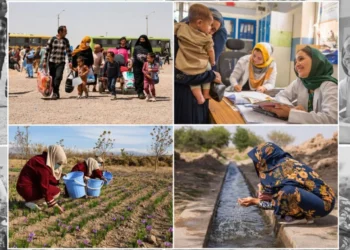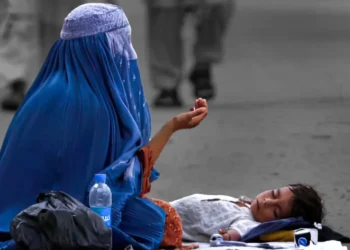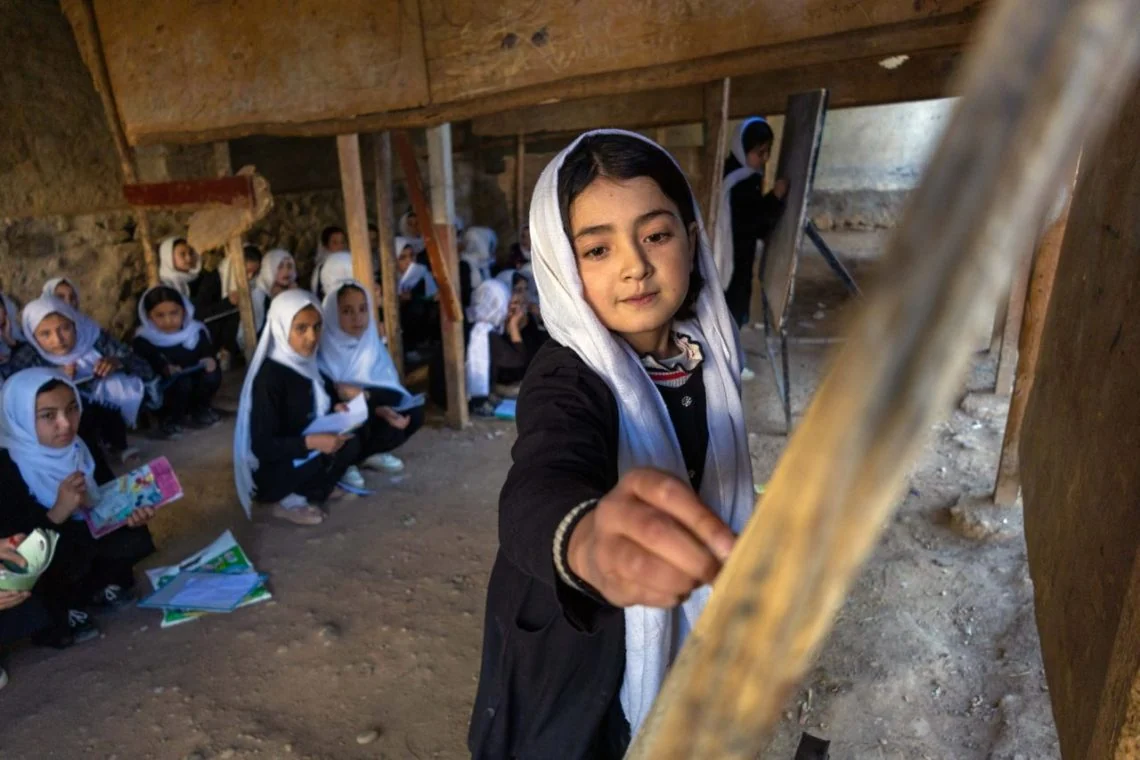
The International Week of Science and Peace is being observed around the world at a time when women and girls in Afghanistan continue to face restrictions on education and schooling.
More than half of all primary school-age children in Afghanistan are currently deprived of formal education.
Five years after the Taliban takeover, these restrictions remain in place. According to the United Nations, they are also affecting Afghanistan’s future reconstruction and development.
Nevertheless, the Taliban continue to insist on policies that, according to critics, run counter to efforts to reduce poverty and promote development.
According to United Nations reports, restrictions on girls’ education and women’s employment cost Afghanistan’s economy $84 million in annual economic output, with the figure increasing each year.
Five years on, the Taliban have not only taken no steps to lift these restrictions but have also dismissed education as an internal matter in response to criticism.
However, the exclusion of more than 2.6 million girls from secondary education and the annual loss of $84 million to the country’s economy highlight the consequences of continuing these policies.