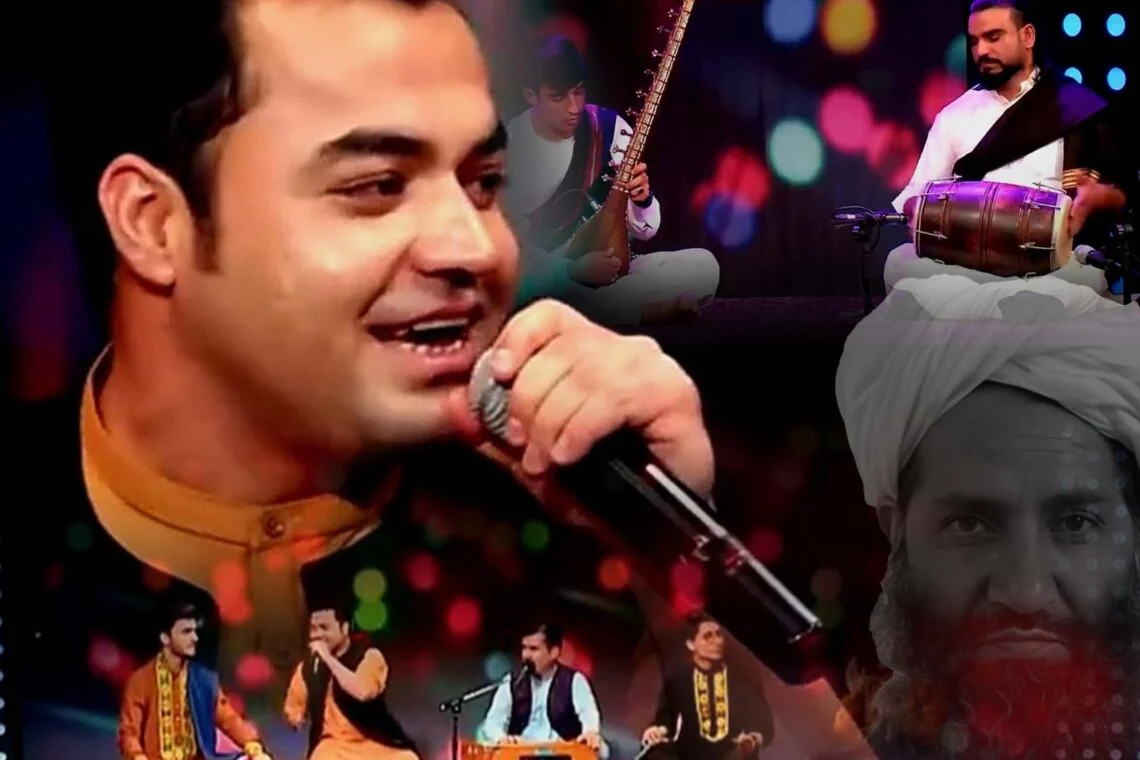
A number of singers in Kandahar say they are facing serious difficulties. They stress that, in addition to being barred from artistic activities, they struggle with worsening economic hardship every day and are humiliated and insulted by the Taliban. According to them, the Taliban call singers “brothers of Satan” and treat them in an insulting manner.
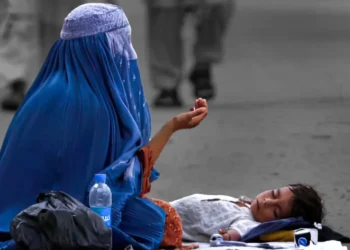
Habib (pseudonym) is one of the singers who previously supported his family of 11 through his work in music. He says that after the Taliban banned music, a large number of artists left the country. Those who remained in Afghanistan keep their musical instruments, including the rubab, harmonium, tabla, and others, at home, and wander in search of ways to cover their families’ expenses and earn a morsel of bread.
Habib says: “We can neither continue our former art nor is there a suitable work environment for us. I have been forced to work as a street peddler in Kandahar city so that I can find a bit of bread for my family.”
Mohammad Ali (pseudonym) is another artist who worked for 10 years as an instrumentalist alongside singers. He says he used to play the sitar, but after the Taliban took control of Afghanistan, he was forced to give up his art.
The artist adds that in the first years of Taliban rule, he secretly played the sitar in rural areas. After he did so several times, the Taliban learned of his activity, arrested him, and kept him in prison for 15 days. According to him, the Taliban broke his musical instruments and released him after obtaining a pledge that he would never engage in music again.
Mohammad Ali says: “Like other artists, I am worried about my future, and I am trying to leave the country.”
Before the Taliban takeover, there was a special place for artists near the money exchange market in Kandahar, where a large number of singers worked and were based. After the Taliban takeover, however, this market for artists was closed.
Aminullah, an artist who played the tabla alongside other singers in this market, says that two months after the Taliban takeover, the Morality Police of the group’s Department for the Propagation of Virtue and Prevention of Vice went to the market, collected all of the artists’ musical instruments, and warned them not to continue working in this field.
According to him, at that time several artists and singers tried to discuss the matter with the Taliban’s Morality Police, but they were stopped and not allowed to present their views. He adds that after the market was closed, the Morality Police have continuously pursued artists and sometimes even raided their homes.
Aminullah says: “When they raid our homes, they say they think we are still playing music, but we swear to them that we have given up this art. Even so, they do not trust us and insult and humiliate us severely.”
Several well-known artists and singers from Kandahar left the province after the Taliban takeover and now live in some cities in Pakistan. However, the artists and singers who remain in Kandahar say that the Taliban have not only deprived them of artistic activities but that they also face insulting treatment in their daily lives. According to them, whenever they take up work other than music, Taliban members taunt them and say: “You are the brothers of Satan.”
Shafiullah (pseudonym), a singer who has performed dozens of songs and now lives in Kandahar city, says he is extremely worn out by his living conditions and that Taliban members treat him with insulting language.
The singer says: “One day the Taliban held a large gathering. Another artist and I were also present at that gathering. During the program, the then head of the Taliban’s third district in Kandahar, who was also a religious scholar, took to the stage and said: Those who sing and play musical instruments all fall in the ranks of the brothers of Satan. We will not allow anyone to sing here. If someone listens to music, it means they are listening to the voices of Satan.”
Several cultural activists and art enthusiasts in Afghanistan condemn the Taliban’s opposition to music and say that its ban has had negative effects on the country’s artistic and cultural heritage.
Mirwais Mohammadi, a cultural activist from Kandahar who now lives in Iran, says that music and singing form an important part of the cultural identity of every society, and that the art of music in Afghanistan also has a long history. According to him, since the Taliban takeover, the restrictions imposed on this art have not only prevented artists from working but have also heightened concerns about the destruction of the country’s musical and cultural heritage.
The cultural activist says: “Art is a mirror of a society’s identity and culture. Artists are considered part of a society’s cultural capital, not people who should be met with hostility or insulting treatment. If music activities and other artistic sectors are stopped completely, it is not only artists who suffer, but future generations will also be deprived of an important cultural heritage of the country.”
The Taliban consider playing and listening to music haram, and in recent years they have imposed severe restrictions on musical performances in various provinces of Afghanistan. Musical instruments have also been collected and set on fire.
You can read the Persian version of this report here:
سکوت حنجرهها و سازها؛ سرنوشت تلخ آوازخوانان قندهاری در سایه هبتالله