Following the Taliban’s return to power and the imposition of extensive restrictions on women’s work and education, many women have been confined to their homes and have lost their economic and social opportunities. Nevertheless, a number of women are trying, through individual initiatives, to find new ways to have a meaningful presence in society. Amid all these restrictions and the Taliban’s repressive decrees, which target women’s lives every day, a young woman in Herat has established an art and cultural institute called “Naiko Arts.”
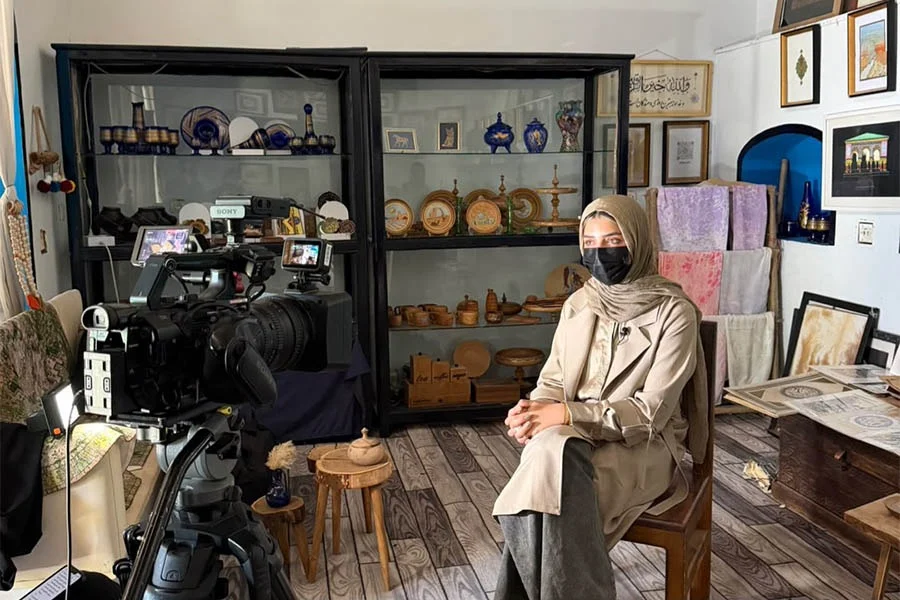
Somaya Sulaimankhel says she launched this institute after being barred from continuing her education in law and political science at university. She adds that she has been interested in art since childhood, and that the changing circumstances of women’s lives in Afghanistan gave her the motivation to make art not merely a form of entertainment for her, but a tool for education, talent development, and the creation of opportunities for girls and women.
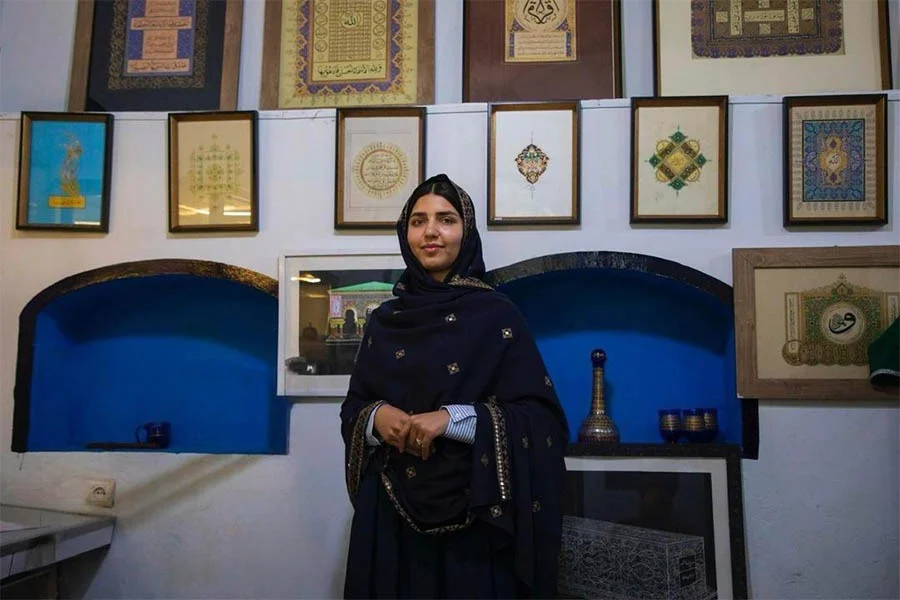
Somaya says: “At first, art was a hobby for me, and I had been engaged in it since childhood. Later, alongside school and my field of study at university, I continued it seriously and professionally. When the university closed and job opportunities became more limited, I decided to turn this group into a professional enterprise so that we could both produce work through art and create employment and income opportunities for artists.”
According to Sulaimankhel, “Naiko Arts” activities officially began in 2023, and the group started its work with seven students. Now, about 170 girls and women are being trained and are active in various sections of the institute.
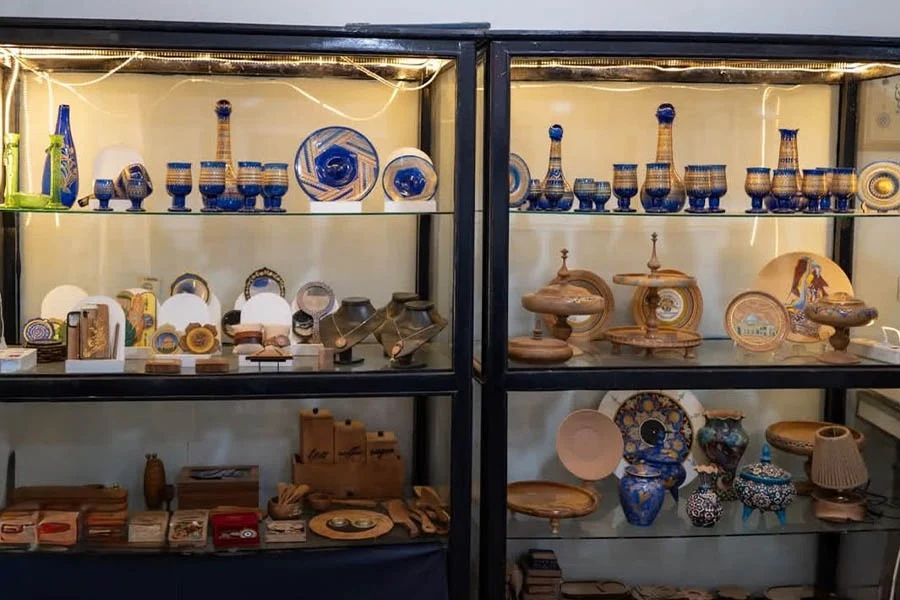
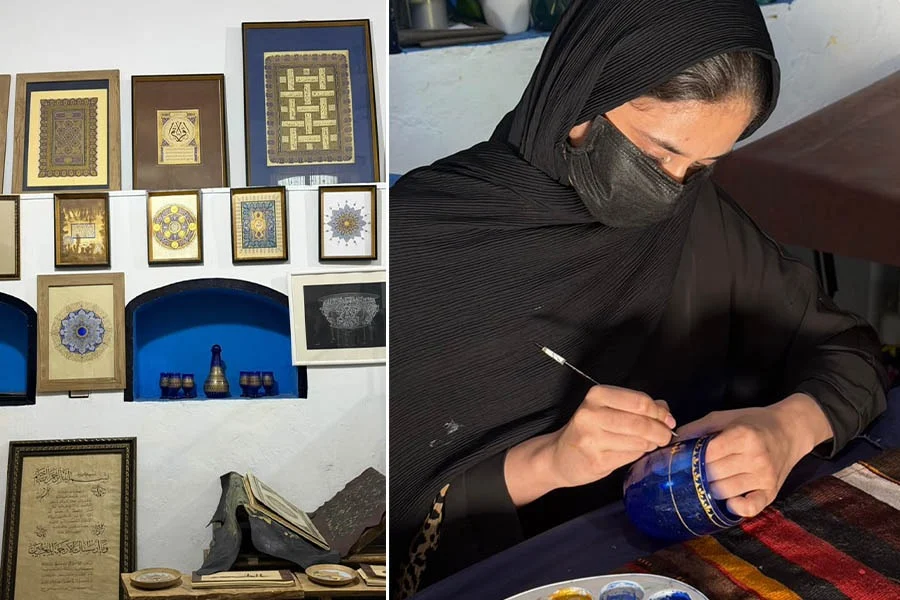
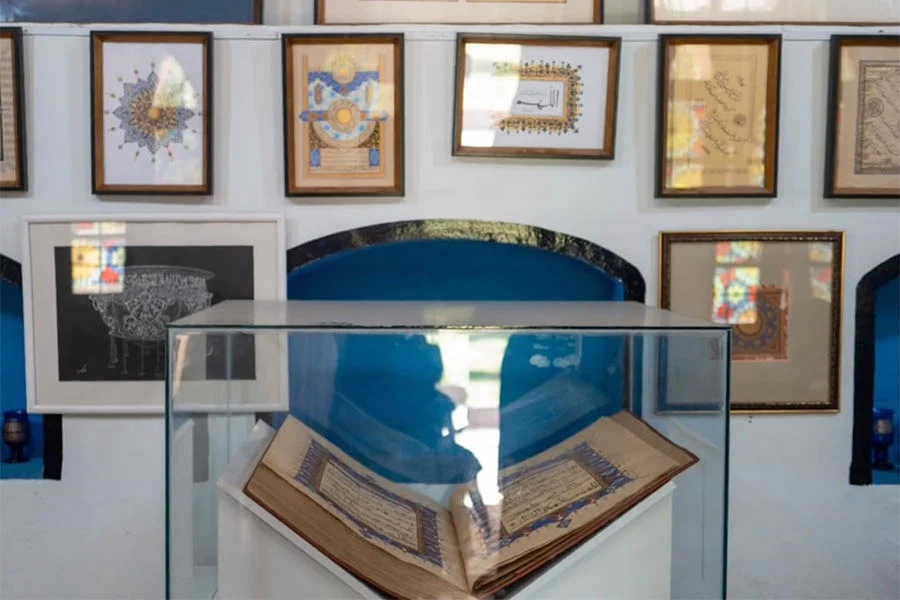
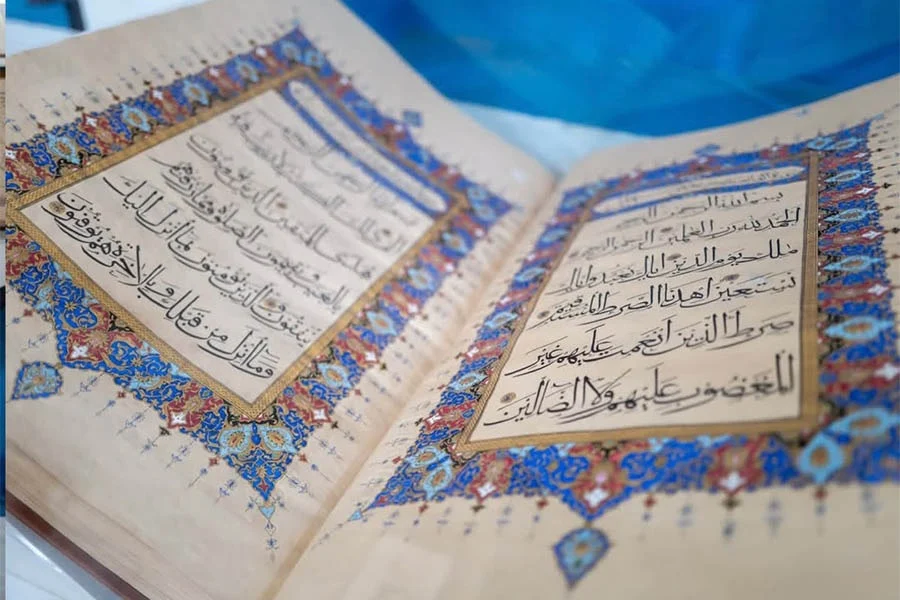
At “Naiko Arts,” miniature painting, illumination, and calligraphy are among the arts taught to girls and women, who also use these skills to produce artwork on wood, leather, and glass. Embroidery, painting, sewing, and the production of some handmade products are among the institute’s other areas of activity.
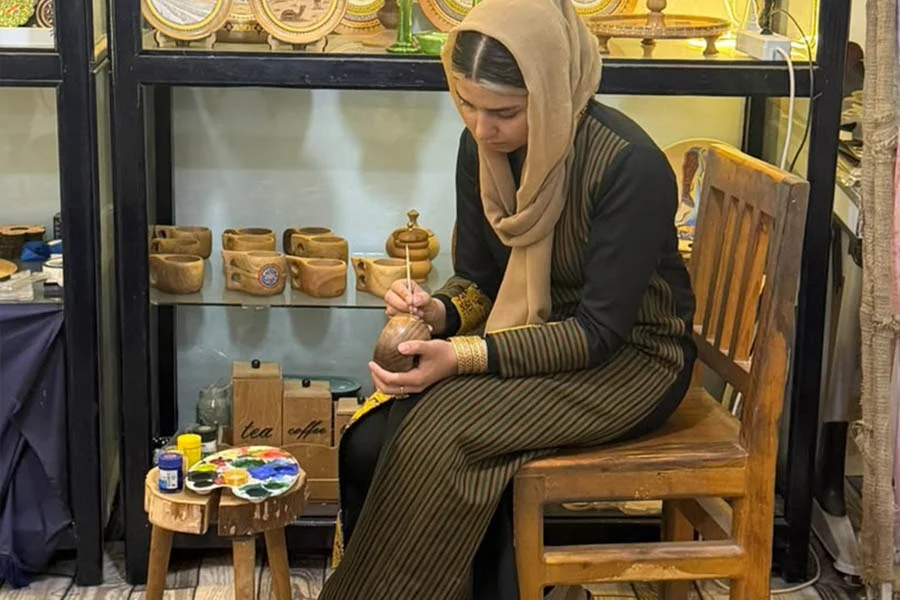
According to Sulaimankhel, establishing a cultural and artistic institute under the current circumstances has not been easy for her, but she has tried to run “Naiko Arts” activities in a way that allows girls and women, alongside learning art, to use their skills for production and income generation as well.
This young artist says: “To start this work, I traveled from Herat to Kabul and went through the process of obtaining a license to operate a cultural and artistic institute. Our activities officially began in 2023 under the name of the Naiko Arts Cultural and Artistic Institute. They have had the opportunity to pursue their skills more seriously, earn an income, play an economic role within their families, and introduce their work to a wider audience. I think the most important change is that many of them today no longer see themselves only as artists, but also believe in their ability to build a professional future.”
According to Sulaimankhel, part of “Naiko Arts’s” activities is dedicated to preserving Afghanistan’s traditional arts, particularly the Herat School style and the artistic legacy of Kamaluddin Behzad. She says the group’s effort is to help girls, alongside learning traditional arts, apply their skills to producing sellable products as well.
Sulaimankhel adds that economic difficulties, obtaining raw materials, and family and cultural restrictions were among the group’s initial challenges. According to her, over time, and as the trust of families was gained, the ground was prepared for expanding “Naiko Arts’s” activities, and the support of families is now one of the important factors in the continuation of the group’s work.
Sulaimankhel says: “In the beginning, our problems were not only economic and related to obtaining raw materials. Family and cultural restrictions were also a serious challenge. Many families were worried about their daughters leaving home and working in a workplace environment. But gradually, through healthy, organized, and result-oriented activities, we managed to gain the trust of families. When families saw that their daughters were being trained in a safe and organized environment, and that alongside learning art they were also gaining work experience and income, the views of many of them changed.”
Another challenge for “Naiko Arts” is access to international markets. Sulaimankhel says that the group has, in some cases, been invited to international exhibitions to display its work and introduce its products, but visa problems and travel difficulties have restricted its members’ direct participation in these exhibitions.
This young woman says: “One of the main challenges is access to international markets. We are sometimes invited to international exhibitions to display our work and find customers, and we even have official invitation letters, but obtaining visas and the possibility of being physically present at these events is very difficult for us.”
According to Sulaimankhel, restricted access to foreign markets has not only made selling artwork difficult, but has also limited girls’ connections to markets and new professional opportunities. Nevertheless, “Naiko Arts” has tried to continue its educational and work activities and to cover part of its costs through the production and sale of artwork.
Sulaimankhel says her goal is for “Naiko Arts” to become, in the future, a center for art education and the production of quality products supplied to both domestic and international markets. She adds that if adequate facilities and a suitable market become available, “Naiko Arts” could train a larger number of girls and create work and income opportunities for them.
This young woman says: “I want artists to have more opportunities, from the stage of creating a work to producing a sellable product, packaging it, and bringing it to market. If we are provided with adequate facilities and a suitable market, we can train more people and create work and income opportunities for a much larger number of girls.”
Meanwhile, a number of girls who have joined the institute in recent months say that working at “Naiko Arts” has given them an opportunity to learn artistic skills, gain work experience, and be part of a professional environment.
Shukria Noorzai, a graduate in miniature painting and an instructor at “Naiko Arts,” says that before joining this workshop she had been working in the field of miniature painting, and that becoming acquainted with “Naiko Arts” allowed her to continue developing her skills in a professional environment. She adds that working at this workshop, in addition to increasing her artistic experience and skills, has helped her become more financially independent and gain greater self-confidence. According to her, this work opportunity has also given her students the chance to learn new skills, gain work experience, and be more purposeful about their future.
Shukria Noorzai says: “If this work opportunity did not exist, I would probably have stayed at home most of the time, and my artistic talent would have been forgotten. Working at Naiko Arts helped me gain work experience alongside continuing my artistic work, and it also allowed my students to learn new skills and be more purposeful about their future.”
This art center’s activities continue at a time when millions of girls in Afghanistan are deprived of continuing formal education.
The United Nations Children’s Fund (UNICEF) and the United Nations Educational, Scientific and Cultural Organization (UNESCO) announced in January 2026 that about 2.4 million teenage girls in Afghanistan are deprived of secondary education. Afghanistan remains the only country in the world where secondary and higher education is banned for girls and women.
The deprivation of girls from secondary education began after the Taliban’s return to power in 2021, and in March 2022, the Taliban prevented girls from returning to secondary schools. Since then, this restriction has continued.
UNICEF said in March 2025 that if the ban on girls’ education continues until 2030, more than four million girls will be deprived of education beyond the primary level.
UNICEF has also warned that the continuation of these restrictions could leave Afghanistan facing a shortage of about 20,000 female teachers and 5,400 female health workers by 2030.
The Taliban say the ban on girls’ education is temporary, and that the reopening of schools and universities depends on conditions being brought into line with Sharia law and the culture of Afghanistan. However, no specific timeline for their reopening has been announced so far.
Five years into Taliban rule, restrictions on girls’ education remain in place, and millions of girls remain deprived of continuing formal education.
You can read the Persian version of this report here:
در سایه محدودیتهای طالبان؛ «نایکو» برای آموزش و اشتغال دختران در هرات تلاش میکند