
The rich mineral deposits of northeastern Afghanistan, particularly in Badakhshan and Takhar provinces, which could have served as a source of economic development and improved living conditions for residents, have in recent years become a focal point of conflict, opaque exploitation, and widespread allegations of the plunder of natural resources. Field investigations and local reports indicate that since the Taliban’s takeover, the extraction of gold and other minerals in parts of these provinces has proceeded through both official and unofficial channels, involving networks affiliated with powerful figures within the group, including individuals such as Haji Bashir Noorzai, Qari Fasihuddin, Maulawi Amanuddin, and Juma Khan Fateh. The report shows that the absence of effective oversight, weak transparency, and the presence of influential networks have created conditions for transferring a large share of mining revenues to narrow circles of power, while residents living near these resources have gained only a small share of the economic benefits.
The northeastern provinces, particularly Takhar and Badakhshan, are among the richest regions of Afghanistan in terms of natural resources. These provinces are known for their valuable reserves of precious and semi-precious stones, especially lapis lazuli and emerald, as well as precious metals such as gold. More than 77 types of minerals and valuable metals have been identified in Takhar and Badakhshan. These resources could play an important role in the economic development of these provinces and of Afghanistan as a whole. However, the process of extracting, managing, and distributing the revenues from these mines has faced numerous challenges over the past five years under Taliban rule. Despite the high potential of these mines, their effective and sustainable exploitation has not been fully realized due to a lack of infrastructure, weak management, corruption in the extraction process, and security and administrative problems.
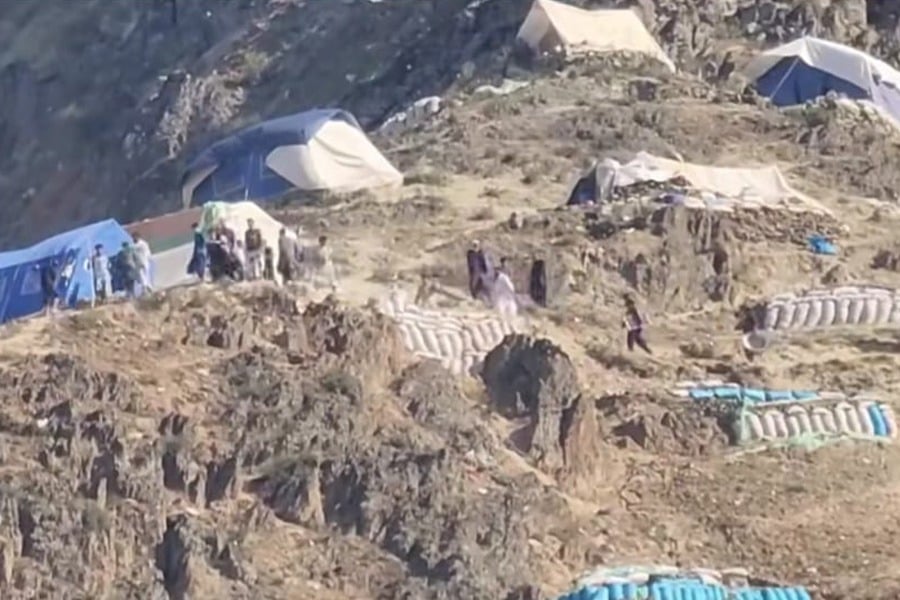
Mining operations under Taliban rule, since August 2021, have proceeded through two channels: official and unofficial. In the official sector, mining companies are permitted to operate after completing administrative procedures and obtaining a license from the Taliban Ministry of Mines and Petroleum (MoMP). These procedures typically include submitting technical and financial documents, assessing the applicant’s qualifications, issuing the license, and monitoring the extraction process. However, a significant portion of mining activities is carried out unofficially by local armed individuals or unlicensed groups that enjoy the support of certain Taliban commanders and officials. The absence of effective oversight and the involvement of some senior Taliban figures in these activities, in addition to reducing public revenues and enabling personal exploitation of mineral resources, have brought about extensive negative environmental, economic, and social consequences for the people of Badakhshan and Takhar.
The Licensing Process
After the Taliban took control of Afghanistan, the process of issuing mining licenses resumed. However, the group has made the licensing process so complicated that it creates opportunities for abuse, bribery, or partnerships with commercial companies. The MoMP signs contracts with applicants for mining licenses based on standard agreements drafted by the ministry’s Technical Deputy Ministry. These contracts contain 16 articles that specify the terms, obligations, and requirements related to mining activities.
Article 2 of the MoMP’s standard contract stipulates that mining companies must have professional personnel, modern equipment, and the necessary facilities to carry out mining activities. These companies are also required to build the infrastructure needed for extraction, use surface and underground water in the gold washing process in accordance with regulations, store waste materials and tailings in appropriate locations, and transfer mined products for marketing and sale in coordination with the MoMP.
Article 5 of the contract is devoted to the obligations of mining companies. Under this article, companies are required to carry out extraction operations according to technical standards and in a professional manner, submit quarterly reports on the volume of extracted minerals to the MoMP, observe environmental protection principles, and inform the MoMP if any associated or secondary minerals are discovered. Companies are also required to facilitate inspection and monitoring visits by the ministry’s delegations.
In practice, the process of obtaining an extraction license faces numerous challenges. Lengthy administrative procedures, high costs, complicated regulations, and reports of administrative corruption have led some applicants to abandon the official route and turn to unofficial activities. Various reports also indicate that in some areas, miners are forced to pay unofficial fees or levies to local Taliban armed groups to continue operating or to secure protection. These payments can increase extraction costs and reduce incentives for legal investment.
Corruption is considered one of the fundamental challenges of the mining sector. Reports point to cases such as the issuance of illegal licenses, bribery to expedite administrative matters, manipulation of extraction and sales figures, and collusion between influential individuals and mine operators. Such practices not only reduce public revenues but also undermine public trust. Intergroup clashes have resulted in the deaths of a large number of residents and Taliban members, and they create conditions for the irresponsible exploitation of natural resources.
Payments Made to the Taliban Regime
Article 9 of the MoMP’s standard contract lists fees related to compliance with plans, site rehabilitation, social services, and site security.
| No. | Payment Type | Amount (AFN) |
|---|---|---|
| 1 | Implementation of the Local Benefit Plan | 690,000 |
| 2 | Implementation of the Social Services Plan | 750,000 |
| 3 | Implementation of the Environmental Management Plan | 435,000 |
| 4 | Implementation of the Health and Safety Plan | 279,000 |
| 5 | Implementation of the Internal Security Plan | 464,000 |
| 6 | Implementation of the Extraction Plan | 26,180,000 |
| 7 | Site Rehabilitation | 1,185,000 |
Royalty Guarantee
Article 13 of the contract requires companies to pay 57,940 Afghanis as an environmental protection guarantee. In addition, under Article 14 of the contract, the royalty for each jerib of land has been set at the equivalent of 4 grams of gold per month, payable to the Taliban Ministry of Finance.
Foreign Companies Under Mafia-Style Management
Field statistics indicate that about 2,700 mining companies and hundreds of unofficial mining sites are operating in Takhar and Badakhshan provinces. According to field reports from mining areas, 150 Chinese companies, 12 Russian companies, and one Uzbek company are engaged in gold extraction using modern equipment in Badakhshan province, while 70 Chinese companies, 7 Russian companies, and one Uzbek company operate in Takhar province. These companies are extracting minerals in the districts of Shahr-e Buzurg, Raghistan, Shiwa, the Darwaz districts, and along the Amu River in Badakhshan, as well as in the Samti, Shol Darah, and Warji areas of Chah Ab district, Khatayan, and Tangi Farkhar in Takhar province.
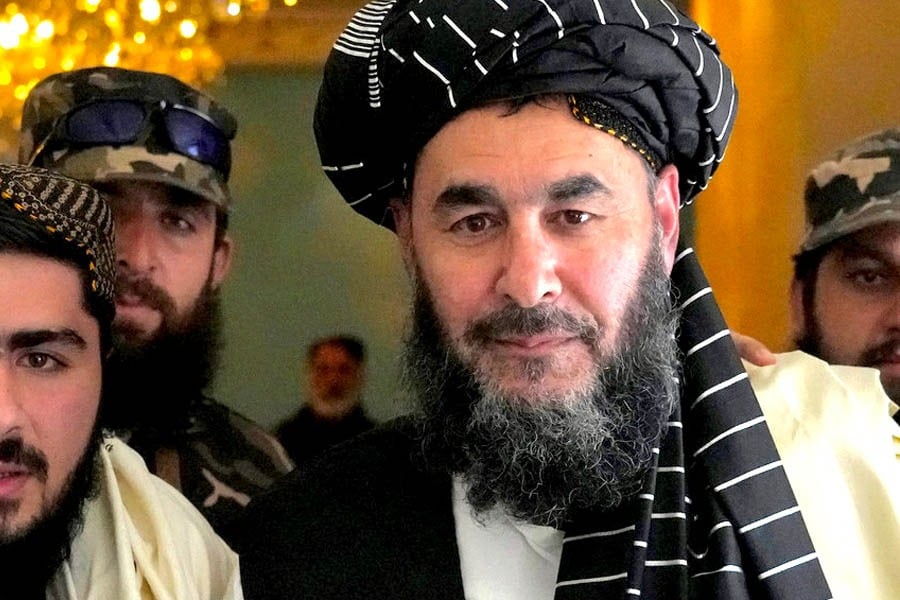
These companies, along with other major gold extraction firms that mostly belong to individuals affiliated with southern Afghanistan, are managed in these provinces by mafia-style networks linked to Haji Bashir Noorzai acting on behalf of Mullah Hibatullah Akhundzada, as well as by individuals close to him in Takhar and Badakhshan, including Faisal Khorasani, Haji Malang, and Haji Ghulam Haidar Takhari.
According to information provided by local miners, more than 400 domestic companies from the southern provinces of the country operate in areas that, according to surveys by Chinese engineers, hold larger gold reserves. In this process, residents are employed only in small, low-paying roles.
Gold purifying and packaging equipment, as well as the buying and selling of gold, are also managed by the network affiliated with Haji Bashir Noorzai.
Fact-Checking the MoMP’s Standard Contract
Unpublished reports and field information from miners and local observers indicate that these contracts have not been implemented in practice, and that mining areas in Takhar and Badakhshan provinces are managed by networks linked to Haji Bashir Noorzai and individuals affiliated with him. According to these reports, extraction by some companies affiliated with these networks proceeds without going through legal procedures or submitting the required documents. Individuals affiliated with these groups have carried out extensive mining operations by moving in hundreds of vehicles, extraction equipment, and armed personnel, and in this process, no oversight or accountability is applied in accordance with the terms of the existing contracts.
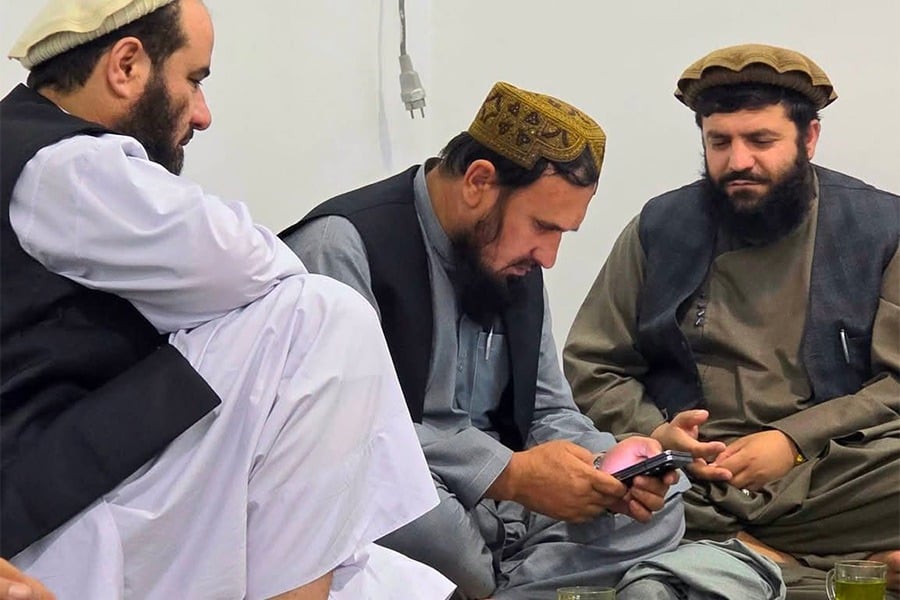
A review of these reports, drawn from several miners who themselves hold contracts with the MoMP, shows that these contracts have faced serious challenges in practice. According to information provided by these miners, some local Taliban leaders, including individuals associated with Qari Fasihuddin, Maulawi Amanuddin, and Juma Khan Fateh, are involved in mining activities in the Shiwa, Shahr-e Buzurg, and Darwaz areas without paying a specified share to domestic and foreign extraction companies, and they collect about 50 percent of the extraction revenue in cash from the miners.
Reports indicate that one million dollars was collected as a guarantee from a Chinese company in Zangaria village in Shaki district. According to these reports, this amount was paid to the local Darwaz administration.
These findings also show that under headings such as a 20 percent share for the Emirate, payment of khums, contributions to building madrasas and to the families of Taliban members killed in action, and a further 5 percent of revenue, cash sums are paid to representatives of senior Taliban figures and the Haqqani network.
An investigative report based on individuals close to Juma Khan Fateh shows that, out of a total of 1,700 mining projects in the Darwaz districts, the Fateh brothers are partners in more than 700 sites and receive 80 percent of the revenue generated from them.
Where Does the Money from Badakhshan’s Mines Go?
In the absence of transparency, revenues from mining are distributed unevenly. According to published reports, part of these revenues goes to the MoMP, part to investors and extraction companies, and in some cases to armed groups or unofficial networks. By contrast, the share of residents in the economic benefits of these resources, which is also referenced in MoMP documents, remains limited, and a considerable portion of the resulting revenue circulates outside official mechanisms.
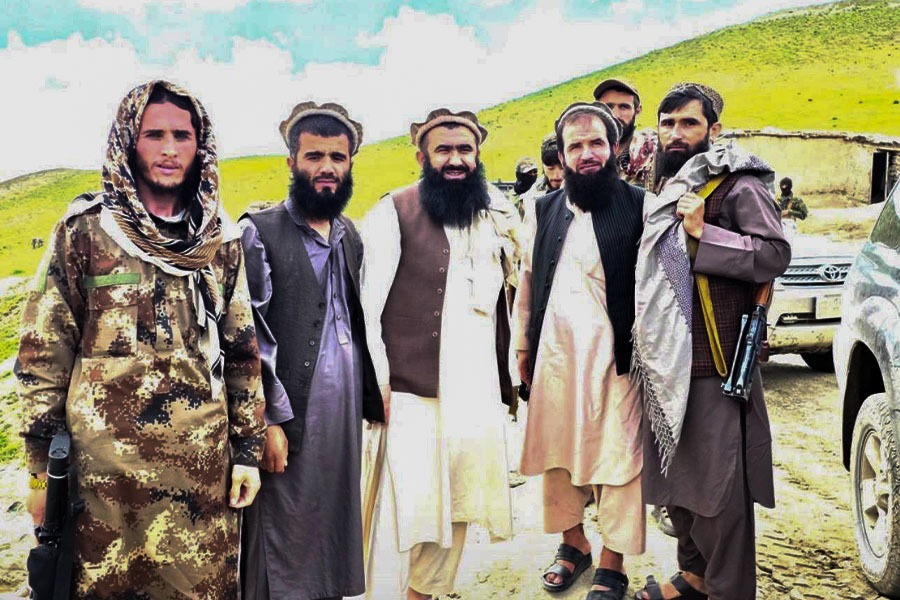
Although there are no official, published figures on the amount of revenue generated by these mines, assessments by mining sector activists in these provinces indicate that about 35 to 40 million dollars a month flows from these mines into the pockets of certain senior Taliban figures and individuals affiliated with them.
According to some reports, the money obtained from the mines is used by Haji Bashir Noorzai and local networks affiliated with him, in addition to personal use, for purposes such as financing senior Taliban figures, purchasing weapons, suppressing the people of Afghanistan, and covering the day-to-day expenses of certain international terrorist groups, including al-Qaeda.
There are also reports indicating that a major portion of these revenues has been transferred to the United Arab Emirates, Turkey, and Qatar and invested in construction firms, including Azizi Group. According to these reports, Azizi Group has built close ties with Taliban leaders in recent years and has played a role in transferring and legalizing the group’s opaque financial resources. Not long ago, Mirwais Azizi, the head of Azizi Group, announced a 10 billion dollar investment in an Afghan electricity project, a development that some observers believe could serve as one of the channels for transferring and legitimizing funds obtained from the country’s mines.
According to available reports, the income of local Taliban figures is also spent on purchasing land, homes, and luxury equipment both inside and outside Afghanistan. Local reports on the investments of Juma Khan Fateh, one of the local Taliban leaders in the northeastern provinces and Kabul, indicate that over the past year he has obtained more than one kilogram of gold per day solely from the khums share collected from about 3,500 workers in Darwaz. According to these reports, the total amount of gold obtained over the past year exceeds 360 kilograms.
Reports also claim that the Fateh brothers sold about 65 kilograms of gold in Kunduz province in April and May of 2026. They have also purchased about 50 jeribs of land in Khanabad, Kunduz, along with three three-story buildings and two houses in Kunduz and Kabul.
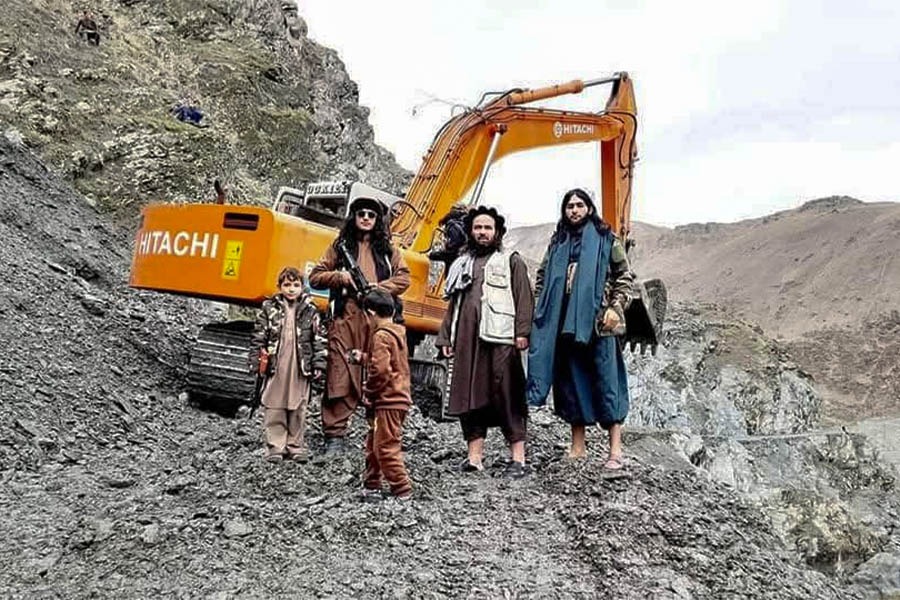
On the other hand, according to available reports, part of Juma Khan Fateh’s income is paid to certain senior Taliban figures, including Fasihuddin, Amanuddin, and Anas Haqqani. According to some reports, one of the main causes of recent tensions in Badakhshan has been disputes over how revenues from the mines are managed and used by local Taliban figures, including Juma Khan Fateh. These disputes have forced the Taliban leadership to deploy hundreds of troops to border areas and mining sites in Badakhshan.
Although the people of Badakhshan and Takhar live close to these natural resources, they gain little from the economic benefits of the mines. The jobs created are largely limited to low-paying and high-risk work, and investment in infrastructure sectors such as education, health care, road construction, and public services has not been proportional to the revenues generated by the mines. In addition, illegal or improper mining has caused environmental degradation, land erosion, water pollution, and increased social tensions in some areas.
Overall, the mines of Badakhshan and Takhar hold considerable potential to contribute to Afghanistan’s economic development. However, sustainable use of this potential requires fundamental reforms in the mine management system. The absence of a legitimate and effective government capable of facilitating and streamlining the licensing process, combating corruption, strengthening oversight of mining activities, ensuring transparency in revenue management, providing investment security, and allocating a fair share of mining benefits to residents has stood in the way of achieving sustainable development and social justice in the country.
You can read the Persian version of this report here:
استخراج معادن شمالشرق افغانستان؛ میان وعده توسعه و واقعیت تاراج منابع طبیعی