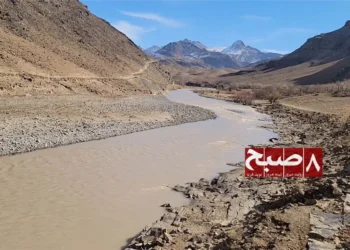

Several residents of Paryan district in Panjshir province say that the Taliban have used their agricultural land, without their consent, to build roads leading to the Taliban’s military posts. They add that during the construction of these roads, parts of agricultural land, public streams, and irrigation channels that supplied water to residents’ farmland have been destroyed. According to them, as a result of the destruction of these streams and irrigation channels, several farmers have been unable to irrigate their land, and their crops are at risk of drying up and being destroyed.
Residents also say that the Taliban have routed these roads through agricultural land in the villages of Shalakcha, Jashta, Kojan, Qala, and Kohsar in Paryan district. They claim that anyone who objects to this action is beaten by Taliban forces.
These residents told the Hasht-e Subh Daily that village elders have approached the local Taliban administration in Paryan district to address the destruction of agricultural land and public streams, but so far no action has been taken to halt the process or compensate for the damage caused. They add that agricultural land is the most important source of income and food for families in this region, and its destruction will create serious hardship for the livelihoods of dozens of families.
Atiq (pseudonym), a resident of Kojan village in Paryan district, Panjshir province, says that in recent weeks the Taliban have begun building roads through residents’ agricultural land to facilitate the movement of their forces and the transport of equipment to their mountaintop posts. He adds that these roads have been built without the consent of the landowners, and that during construction, parts of agricultural land, public streams, and irrigation channels have been destroyed. According to him, the destruction of these streams and irrigation channels has increased residents’ concerns about damage to their farmland and reduced agricultural yields.
Atiq says: “To move their forces and transport their vehicles to the mountaintop posts, the Taliban have built roads through residents’ agricultural land without the landowners’ permission or consent. During construction, parts of the agricultural land, along with public streams and irrigation channels that supplied water to residents’ farmland, have been destroyed.”
This Paryan resident adds: “Agricultural land is the main source of livelihood for the people of this region. Any use of private land should be carried out with the consent of the owner and with due regard for people’s rights, but the Taliban have routed the road through the land and water channels without any coordination.”
Atiq calls on the Taliban to assess the extent of the damage caused to agricultural land and public streams and to take the necessary measures to prevent such incidents from recurring.
Nazir (pseudonym), another resident of Kojan village in Paryan district, Panjshir province, says that the Taliban have not only built roads through residents’ agricultural land without coordination or the consent of the landowners, but that anyone who objects to this action faces violent treatment and beatings. He adds that agricultural land is the main source of income and livelihood for families in this region, and that the damage to this land has caused widespread concern among residents.
This Panjshir resident says: “The Taliban have routed roads through residents’ agricultural land to create supply routes from the villages to their posts. This work was carried out during the farming season and has caused serious damage to people’s agricultural activities. People are concerned about this situation, and anyone who raises objections about it faces beatings.”
Ali (pseudonym), a resident of Qala village in Paryan district, Panjshir province, says that in this area as well, the Taliban have built roads through residents’ agricultural land without the consent of the landowners to access their mountaintop posts. He adds that the construction of these roads was carried out during the farming season and has damaged residents’ agricultural land and crops.
This Panjshir resident says: “For the movement of their forces and the transport of their vehicles to the mountaintop posts, the Taliban have used residents’ agricultural land to build roads in the villages of Shalakcha, Jashta, Kojan, Qala, and Kohsar. This work was carried out without the permission of the landowners, and as a result, public streams and parts of agricultural land have been destroyed. This action has caused widespread dissatisfaction among residents over the Taliban’s disregard for their land and agricultural produce.”
According to Ali, local elders have approached the local Taliban administration in Paryan district several times to address this issue, but these approaches have so far yielded no results.
The villages of Kojan in Samher Valley, Shalakcha, Jashta, Qala, and Kohsar are among the areas of Paryan district in Panjshir province where several Taliban posts are located in the surrounding highlands. Residents of these areas say that in recent months, the Taliban have begun building roads in some villages to create routes of access to these posts.
Previously, residents of Kojan village had also told the Hasht-e Subh Daily that following a rocket attack on the Paryan district headquarters, the Taliban forced families living in Samher Valley to relocate from their summer homes and imposed restrictions on their movement, the irrigation of their agricultural land, and the transport of their livestock. They said that these restrictions have prevented a number of families from tending to their agricultural land and pastures.
You can read the Persian version of this report here:
باشندهگان پریان: زمینهای کشاورزی ما قربانی جادهسازی طالبان برای اهداف نظامی شده است