The use of aluminum and plastic cookware in Kabul and other major cities of Afghanistan has become a normal matter in people’s daily lives, while this issue brings serious health and environmental risks. Kabul residents say they use these cookwares due to their cheap price and light weight. They add that if the use of aluminum and plastic cookware caused diseases and health problems, their production and import would be stopped. According to them, unlike glass, these types of cookware do not break when dropped and are therefore considered a more suitable option for families with children. However, some other Kabul residents, in conversation with the Hasht-e Subh Daily, demand the launch of door-to-door awareness campaigns about the harms of using plastic and aluminum cookware. They believe, people’s awareness of the health risks of these cookware can be an effective step in changing daily habits and maintaining family health.
From the perspective of these Kabul residents, the absence of specific laws regarding the use of such cookware, negligence of responsible institutions, and low levels of public awareness have caused their use to become a normal matter.
Sattar, one of Kabul’s residents, says he recently bought a set of plastic cookware for his family. According to him, everyone uses these types of cookware, and no harm has been observed from them so far. He believes that people’s widespread use of these cookwares shows that they have not created any particular problems for health.
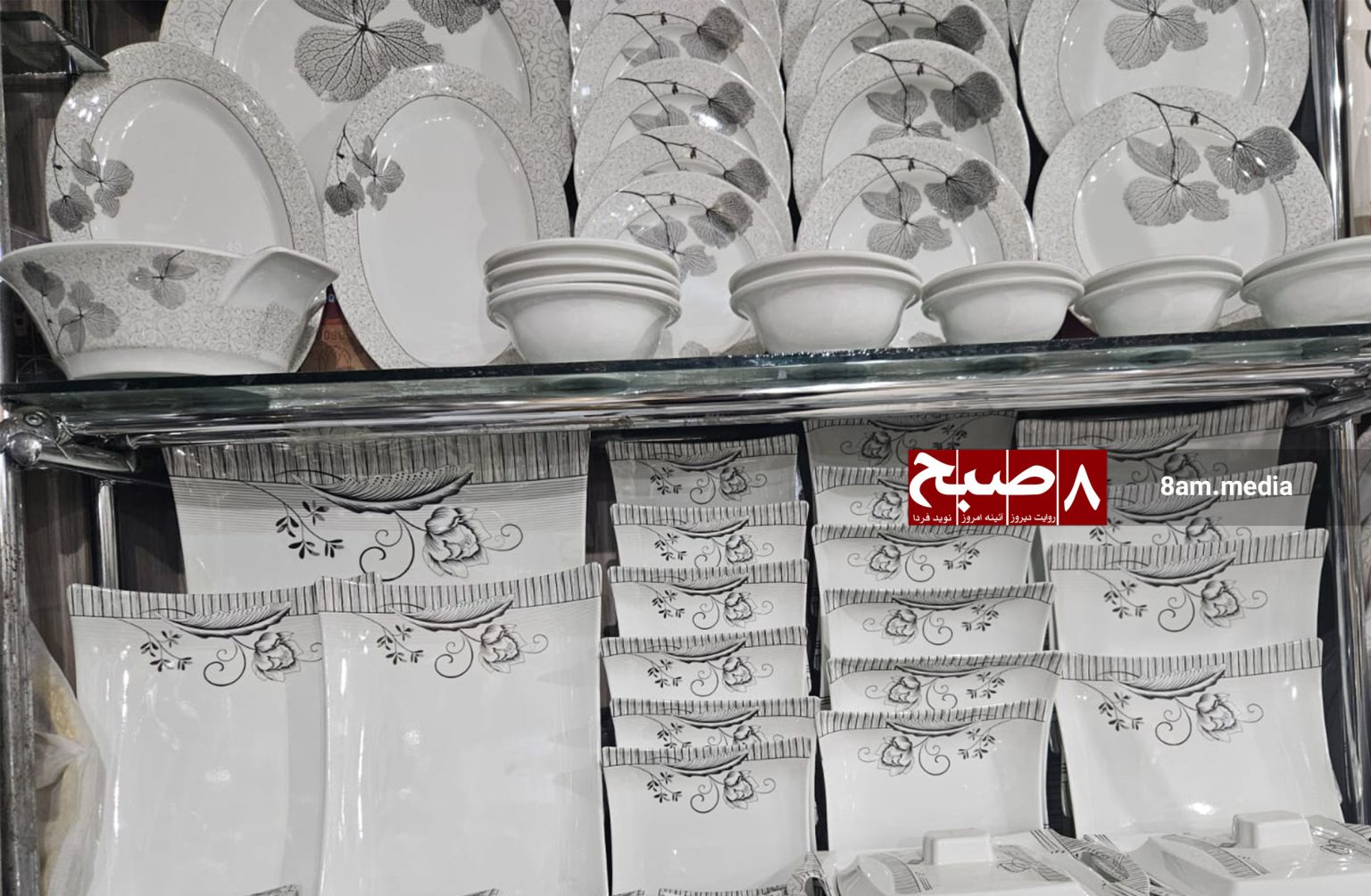
He adds: “We always use plastic cooking containers because they are cheap and very suitable for daily use, both for food and non-food matters. So far, no awareness has been raised that this cookware is harmful to health. We have been using them for a long time and haven’t seen any problems. We also use aluminum cookware. I even saw in restaurants that they use aluminum foil and plastic cookware.”
Mina, another Kabul resident, says she uses plastic cookware because they are cheap and light. She thinks using aluminum cookware is also a suitable option due to gas consumption savings, quick cooking, and not breaking. She expresses her experience of using these cookwares as follows: “Aluminum cookware is uniform, and when placed on gas, the fire spreads well across the entire surface and saves gas consumption. Plastic cookware is also very practical at home because they don’t break, is light, and cheap.”
Najiba, a Kabul resident, says she also uses plastic cookware for storing food items. She considers these cooking containers economical and appropriate to people’s economic situation. Najiba adds, “I also use plastic cookware because they are light, has various colors, and we can choose our favorite colors. They are also very suitable for storing food items and are economically preferable.”
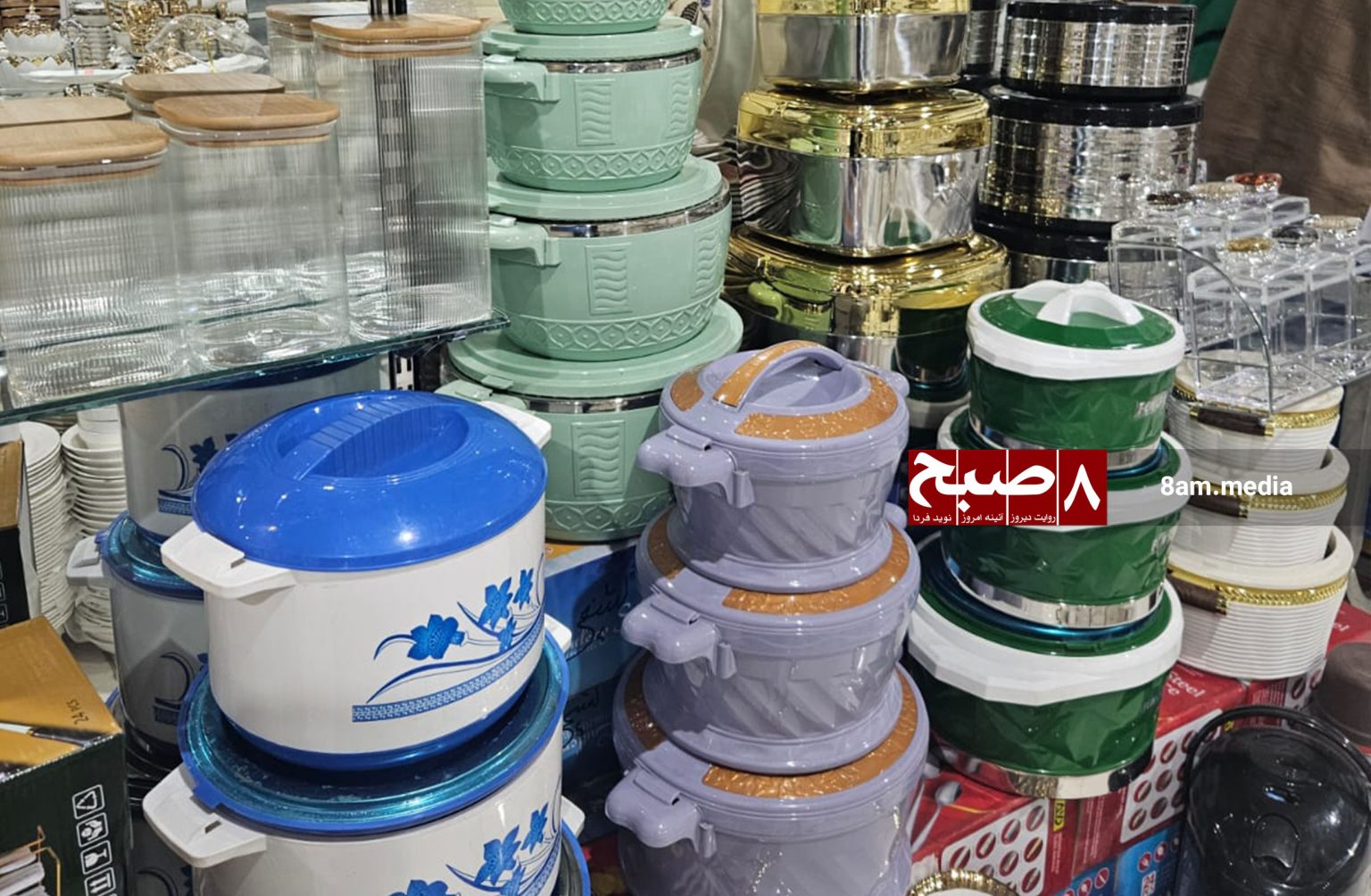
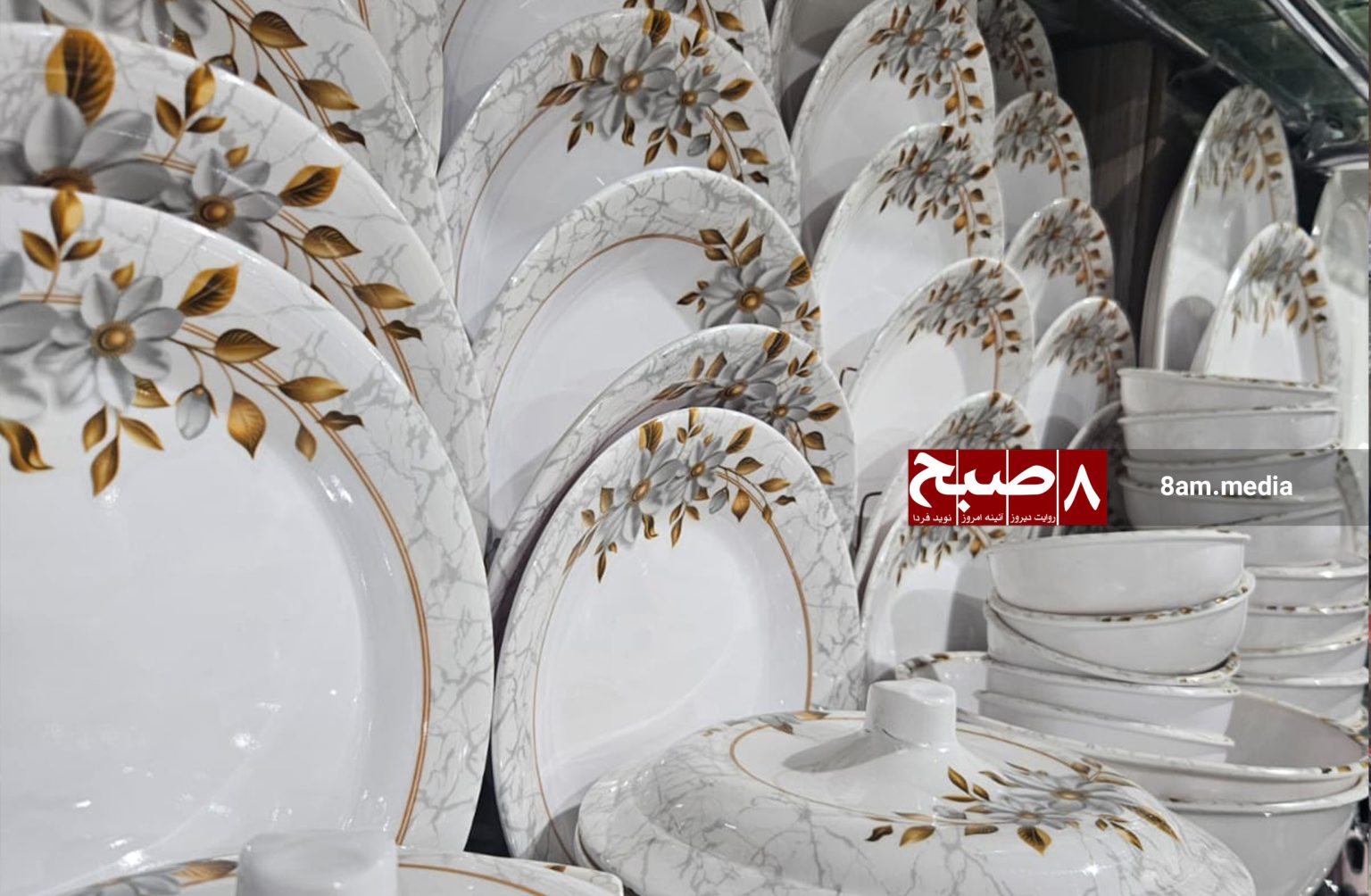
Fereshta, however, unlike other Kabul residents, considers the use of plastic and aluminum cookware dangerous for health. In her opinion, glass cookware is the best option for daily use. She adds, “We don’t use plastic cookware at home because when hot food is placed in it, toxic substances are released. Instead, we use glass cookware like ceramic and unbreakable cookware because I am aware of their dangers.” She recommends that families use glass cookware.
Abdul Saboor, another Kabul resident, has a similar view to Fereshta. He also believes that plastic cookware is harmful to human health, and such cookwares are not used in his house. He says, “We have never used plastic cookware because we believe this cookware produces harmful substances that can cause diseases like cancer. We only use aluminum cookware when necessary. Our main use is of glass because they are both healthier and poses less health risk.”
Meanwhile, some doctors warn that the use of aluminum and plastic cookware can cause various diseases among people. They add that problems such as kidney failure, bone softening, blood production disorders, and even Alzheimer’s disease are among the consequences of long-term use of aluminum cookware. According to these doctors, the use of plastic cookware also causes hormonal dysfunction, early puberty, stomach, breast, and prostate cancer.
Ghulam Haidar Mushtari, a doctor, says: “The use of aluminum cookware, especially for cooking and consuming foods such as tomatoes, lemon, and vinegar, causes aluminum particles to separate from the container, and these particles combine with food. When food is consumed, the aluminum level in the blood increases, and this leads to kidney problems. Also, aluminum prevents calcium absorption in bones and causes bone softening and blood production disorders. In addition, aluminum particles enter the nervous system and create diseases like Alzheimer’s. The use of plastic cookware is also dangerous because it causes the release of phenol compounds that are harmful to health.”
Samira Shahir Rahimi, another doctor, adds: “Plastic objects containing phthalates and bisphenol A are very dangerous. Continuous use of plastic cookware can lead to stomach, breast, prostate cancers, and even infertility in women and men.” She recommends that people never use acidic substances such as lemon water, buttermilk, and hot food materials in aluminum and plastic cookware.
Meanwhile, environmental experts say that although plastic takes years to decompose in nature, it has not received serious attention in Afghanistan due to the lack of political will. In their belief, plastic re-enters the human body through the food chain and causes various health challenges.
Kazim Homayoun, an environmental expert, says: “The use of plastic has become an inseparable part of our environment and damages soil, water, and air. When plastic is used indiscriminately and as single-use, it accumulates in nature. This accumulation, when it enters the soil, becomes microplastic; microplastics can prevent soil respiration and the growth of trees and plants. Since plastic is not decomposed by bacteria in soil, it remains for a long time and is transferred to the human body through the food chain. We have studied reports showing that millions of aquatic creatures absorb plastic in their bodies. When we consume fish, those materials enter our body from this same food chain.”
This environmental expert emphasizes that awareness about the harms of plastic should become part of the educational system, and extensive enlightenment should be carried out in this field through religious schools, mosques, and seminaries.
The people of Afghanistan have long used plastic cookware for consuming and storing food, and even for transporting bread and other food items; likewise, aluminum cookware still has a special place in kitchens in Afghanistan.
Previously, the Taliban-led National Environmental Protection Agency had announced that approximately four tons of plastic bags are consumed daily in the country. According to this administration, Kabul city produces more than four thousand and 650 tons of waste daily, a significant percentage of which consists of plastic.
You can read the Persian version of this report here:
ظروف پلاستیکی و آلومینیومی؛ انتخاب ارزان، بهای سنگین برای سلامت و محیطزیست