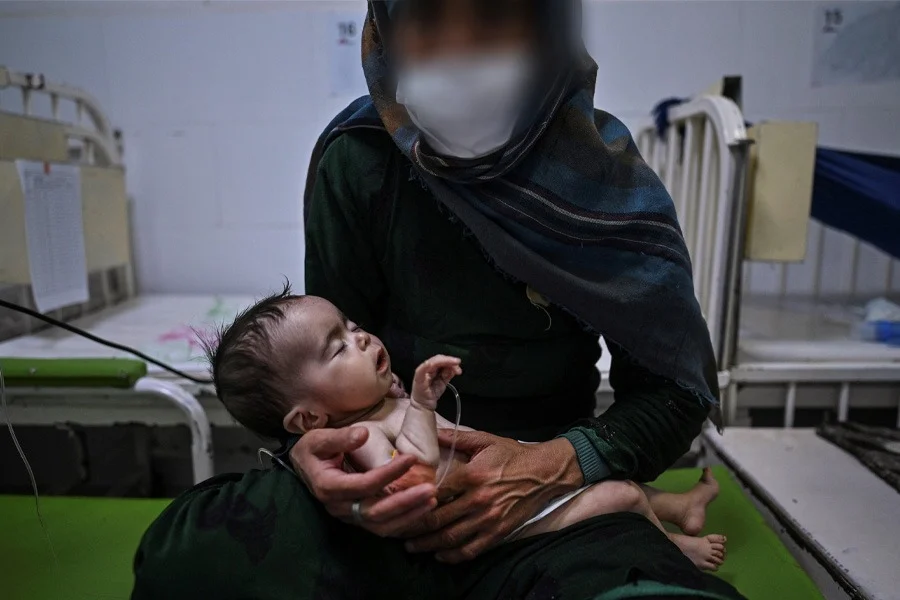
Several obstetricians and gynecologists say postpartum depression in Afghanistan is often overlooked because of families’ limited awareness, insufficient support for mothers, and limited access to health services. According to them, the contemptuous treatment of mothers by their families and the disregard for their mental state cause some women to hide their problems and not seek timely diagnosis and treatment. These doctors add that economic hardship, domestic violence, past psychological stress, hormonal changes, and difficult experiences during pregnancy or a previous childbirth can contribute to the onset of this disorder. They warn that neglecting the mental state of mothers can affect their health, their ability to care for the newborn, and the emotional bond between mother and child.
These doctors call for greater awareness among families about postpartum depression, training of health workers to detect the disorder early, and education for mothers on looking after their own mental health. They also stress the need for counseling services and for families to provide emotional support to mothers.
Masiha Fakhryar, an obstetrician and gynecologist, says postpartum depression is a mental disorder that can emerge in the weeks and months after a baby is born and can affect the health of both mother and child. According to her, hormonal changes, a history of psychological stress, economic problems, and family tensions are among the factors that contribute to the disorder. She adds that the symptoms of postpartum depression can range from sadness and guilt to severe fatigue and persistent crying.
The doctor says: “Postpartum depression can put the health of the mother and the newborn at risk, because a mother struggling with this disorder may lose the ability to attend to her own needs and those of her baby. In severe cases, the mother’s condition requires specialized examination and treatment, and its symptoms should not be ignored.”
Fakhryar stresses that treatment for postpartum depression can include psychotherapy and, in severe cases, medication under the supervision of a specialist doctor.
Saira Nemat, another obstetrician and gynecologist, says postpartum depression can affect a mother’s mental health and her ability to care for her baby. According to her, hormonal changes, economic problems, psychological stress, and a lack of sufficient support from the husband and family are among the factors that contribute to the disorder. She stresses that families’ awareness of a mother’s mental state after childbirth is important for identifying the problem in time.
The doctor says: “Postpartum depression is different from temporary sadness after the birth of a baby. If a mother feels sad, anxious, and hopeless for a long period, or loses interest in life and daily activities, her condition should not be ignored. In such circumstances, the mother needs specialized assessment and treatment, and the emotional and practical support of her family can play an important role in her recovery.”
Nemat adds that timely diagnosis and treatment of postpartum depression are important for protecting the mother’s health and improving the care of the newborn.
Lamia Amin, another obstetrician and gynecologist, says the belittling of mothers and the indifference of husbands and families toward their mental state are among the serious challenges in addressing postpartum depression in Afghanistan. According to her, fear of ridicule and of being accused of madness leads some mothers to hide their psychological problems. She adds that unwanted pregnancies, closely spaced births, and a preference for sons over daughters in some families can also increase the psychological pressure on mothers.
Amin says: “When a mother complains of sadness, a lack of interest in life, or severe fatigue, some husbands, instead of paying attention to her condition, say that all women give birth. In some families, the mother is also called crazy because of this condition, or is treated with sarcasm and mockery. These attitudes can cause the mother to hide her problem and her condition to worsen.”
The doctor stresses that emotional support and attention to the physical and mental needs of the mother are important for preserving her health and for better care of the newborn.
Meanwhile, several psychotherapists say timely diagnosis of postpartum depression and mothers’ access to specialized treatment services are important for preventing the disorder from worsening. They add that emotional support from the family, timely visits to a doctor, and psychotherapy can help improve the mental state of mothers.
Razwana Rahimi, a mental health physician, says limited access to specialized mental health services and the normalization of postpartum depression in society are among the main challenges in diagnosing and treating the disorder. According to her, domestic violence, economic pressure, and a lack of emotional support can worsen the mental state of mothers.
Rahimi says: “Many people regard the suffering of mothers after childbirth as trivial and say this condition is natural, whereas postpartum depression should not be considered a normal state. If this disorder is not treated, the mother may lose the ability to care for herself and her baby and may be unable to form a proper emotional bond with her child.”
The doctor stresses that training health workers, raising families’ awareness, and providing in-person and online counseling can help identify the disorder early and give mothers access to treatment.
Postpartum depression is a mental and emotional disorder that appears after the birth of a baby and can be accompanied by persistent sadness, anxiety, a sense of hopelessness, reduced interest in daily activities, and difficulty caring for oneself and the newborn.
Although there are no recent and precise figures on the number of mothers experiencing postpartum depression in Afghanistan, a study in Kunduz Province offers a picture of the disorder’s prevalence among mothers. The study, titled “Prevalence of Postpartum Depression and Associated Factors Among Mothers in Kunduz Province, Afghanistan: A Cross-Sectional Study,” was published in January 2026 in the international scientific journal Heliyon. In this study, researchers examined 556 mothers at 17 health centers in Kunduz Province.
The study’s findings show that 49.3 percent of the mothers examined had symptoms suggestive of postpartum depression. However, the data for this study were collected in early 2021, and its results cannot be generalized to all mothers in Afghanistan.
On the other hand, the report of the Afghanistan Multiple Indicator Cluster Survey 2022-2023 by the United Nations Children’s Fund (UNICEF) states that 36.3 percent of mothers in Afghanistan received postnatal health care within the first two days after childbirth. This figure relates to the receipt of postnatal health care and, on its own, does not indicate the level of mothers’ access to services for diagnosing and treating postpartum depression.
You can read the Persian version of this report here:
افسردهگی پس از زایمان؛ اختلالی که در افغانستان نادیده گرفته میشود