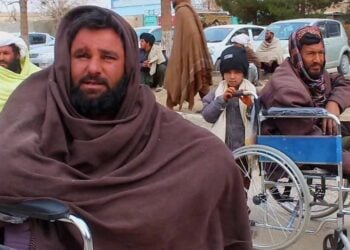
Rawadari, a human rights organization, published a report titled “The Human Rights Situation of Ismaili Shias in Afghanistan,” documenting a pattern of systematic discrimination and organized human rights violations against this religious minority. The report shows how these abuses affect political, administrative, religious, and social life. Researchers compiled the findings through direct interviews with victims and their family members, civil society activists, and human rights defenders from the Ismaili community, both inside and outside Afghanistan. The main goal of the report is to record lived experiences and recurring patterns of abuse, raise public awareness, and support advocacy efforts aimed at addressing the violations and hardships faced by Ismailis.
According to Rawadari, the collected evidence shows that the Taliban, after seizing control of Afghanistan, imposed restrictions and organized discrimination on the daily lives of this religious minority. During this period, the Taliban committed widespread human rights violations and carried out systematic religious persecution against them. Over the past four years, the report finds that Ismailis in Afghanistan have been entirely excluded from political, administrative, and social participation. At the same time, the Taliban have deliberately taken steps to weaken and suppress their religious and cultural identity, directly undermining their security, human dignity, and basic rights.
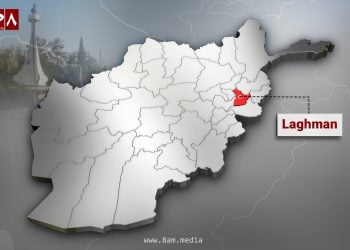
The report explains that persecution and discrimination against the Ismaili community have deep historical and cultural roots. However, the research shows that after the Taliban takeover, these practices became more organized and expanded into every aspect of daily life. Over the past four years, the Taliban, especially in parts of Badakhshan province, forced Ismaili children to study Hanafi jurisprudence. Through public takfir, organized pressure, intimidation, death threats, detention, torture, and other violent tactics, the Taliban compelled members of this community to abandon the Ismaili faith and accept Sunni Islam.
Rawadari reports that in some areas of Badakhshan province, individuals who resisted sending their children to Taliban religious schools faced cash fines, torture, death threats, and the burning of their homes and property. The findings also show a sharp rise in fear among Ismailis about openly expressing their religious identity. This fear has grown as negative propaganda, takfir, verbal discrimination, and hate speech have intensified.
The organization further notes that serious human rights violations include strict limits on the freedom to perform religious rituals, forced participation in the religious ceremonies and worship of others, dismissal from government jobs, and denial of employment opportunities because of religious identity. The report also documents bans on marriage and family ties with Ismaili families, restrictions on educational centers and places of worship, threats, extrajudicial killings, forced displacement, and the seizure of property and assets belonging to the Ismaili community.
Overall, the findings show that the Ismaili community has endured a wide range of grave human rights violations and systematic religious persecution. This situation may amount to crimes against humanity.
Forcing Ismailis to Change Religion
The research shows that over the past four years, particularly in Badakhshan and Baghlan provinces, the Taliban have carried out organized and targeted efforts to change the religion of Ismailis and impose Sunni Islam. To achieve this, they relied on coercion, threats, torture, intimidation, and other forms of violence. Every interviewee stated that the Taliban used various forms of pressure to force Ismailis to abandon their faith and accept Sunni Islam.
The report emphasizes that these accounts are not based on rumors, but on direct observation and personal contact with victims. Seven interviewees said they had spoken directly with people who were forced to change their religion under Taliban pressure. Ten others said they personally knew such individuals or had lived in the same area with them. One person said that after facing threats, beatings, and harassment intended to force a change of religion, he fled his home. Another reported that the Taliban tried to pressure him into accepting Sunni Islam through threats and offers of money.
Right to Self-Determination and Deprivation of Work
The report explains that the Taliban have systematically removed Ismailis from positions of power and decision-making. Many were dismissed from government offices under Taliban control because of their religious identity. Others felt compelled to hide their identity or change their religion simply to keep their jobs.
Six interviewees confirmed that they personally lost their right to work because of their religious identity. Sixteen others reported knowing people who were dismissed from government offices due to their affiliation with the Ismaili community.
One participant described his experience: “When the Taliban returned to power, my former colleagues from other ethnic and religious groups went back to work, and I also came to continue my job. While everyone else signed the attendance sheet and entered their departments, they did not allow me to sign. When I asked why, they said the order came from the head of the department. Later, with the help of local elders, we spoke to him and asked what the problem was. He said the first principle of the Islamic Emirate [Taliban] is that all employees must be Muslim. He even told the elders that Ismailis are not Muslim, and that if you consider them Muslim, then your own faith is incomplete. The head of human resources also told me that in an Islamic government, those who enforce the law must be Muslim. I went to the complaints office of the Ministry for the Propagation of Virtue and Prevention of Vice in Kabul, but the official there told me that it was enough that the Emirate was not causing me trouble and that I was still alive.”
Concealing Identity or Changing Religion to Keep Employment
Nine interviewees said that a limited number of Ismailis, to keep their jobs, mostly in lower-level positions within government offices, were forced either to conceal their religious identity or to change their religion.
One interviewee said, “One of my neighbors works in a government office. Taliban told him that if he prays in the way they want and attends congregational prayers, he can remain an employee of this office and the government; otherwise, he must resign. He was forced to comply with Taliban demands to provide for his family.”
Another interviewee said: “Juma Khan Fateh has hired several Ismailis who changed their religion as his armed guards and, in effect, has given them special privileges.”
Systematic Exclusion from Power and Decision-Making Levels
The report states that all 25 interviewees in this research said that Ismailis, because of their religious and ethnic identity, have been discriminatorily excluded from decision-making processes and from positions within security, justice, and judicial institutions under Taliban control at the central, provincial, and district levels.
One interviewee said: “From the Taliban Prime Minister to deputy positions and major directorates, including 34 governors, 364 district governors, and independent directorates within the structure of government institutions, there is not a single Ismaili youth or any member of this community present. This clearly shows that Ismailis have largely been deprived of national participation and presence in government offices.”
Another interviewee said in the report that the Taliban regime itself makes all decisions related to the lives and future of religious minorities and interferes even in the smallest local matters, including issues related to religious beliefs and rituals.
The Right to Religious Identity and Freedom of Expression
The findings of the research show widespread fear among members of this community about expressing their religious identity. The report refers to numerous cases of hate speech, public takfir, and insults by Taliban officials and preachers. This discrimination has gone so far that some people refuse to eat food prepared by Ismailis and consider the slaughter carried out by them to be forbidden. Severe restrictions have also been imposed on marriage with Ismailis, and in some cases, their marriages have been forcibly annulled by Taliban courts.
According to the report, Ismailis are unable to openly express their religious identity and beliefs because of fear of discrimination, humiliation, harassment, security concerns, fear of harm to their families, and the loss of employment. In this context, 23 interviewees confirmed that they had personally experienced concealing their religious identity.
Hate Speech and the Open Promotion of Takfir
According to the report, all 25 interviewees emphasized that hate speech and the public takfir of the Ismaili community have increased significantly since the Taliban returned to power in Afghanistan. Based on the information collected, this propaganda is mainly carried out openly by Taliban agents of the Ministry for the Propagation of Virtue and Prevention of Vice, local Taliban commanders, extremist clerics, and Taliban-affiliated mosque imams during classes, programs, and various events.
One interviewee described his experience during his university studies: “When the Taliban returned to power, I had two semesters left before completing my degree. At that time, we were taught a book for a subject called ‘Islamic Culture,’ parts of which presented the Ismaili faith as one of the hated religions and sects. The book claimed that followers of the Ismaili faith are misguided and that since the time they called Imam Ali their god, they have been cursed by God.”
Verbal Discrimination and Humiliating Labels
The report states that all interviewees said various forms of verbal discrimination and humiliating labels against followers of the Ismaili faith have existed in society, but have expanded and become more widespread over the past four years. According to interviewees, labels such as “infidel,” “apostate,” “Rafida,” “polytheist,” “extremist,” “irreligious,” “charagh kashk,” “charagh galak,” “deviant,” “a fabricated religion nurtured by the West and Britain,” “incestuous marriage,” and “users of hashish and narcotics” are among the most common terms used both among the public and in workplaces and educational environments to humiliate and insult followers of this faith.
Refusal to Eat Food Prepared by Ismailis
The data from this research show that another serious form of religious discrimination against the Ismaili community in Afghanistan is the promotion of avoiding food prepared by members of this community. According to the report’s findings, 16 interviewees said that propaganda declaring Ismaili food to be forbidden and urging people to avoid consuming it has increased, particularly over the past four years. However, they noted that this belief has a long history and has persisted from the past to the present.
Forced Annulment of Marriages Between Ismaili Men and Sunni Women
The report by this human rights organization states that, according to interviewees, in some cases, even the Ministry for the Propagation of Virtue and Prevention of Vice and Taliban courts have ordered the annulment of marriages between Hanafi Sunni women and Ismaili men. This reflects direct interference by Taliban religious and judicial institutions in family relationships and the commission of discrimination based on religious affiliation.
One interviewee recounted: “In Baghlan province, six months ago, an Ismaili man was engaged to a Sunni woman. The engagement took place with the free will and consent of both sides. However, when the Taliban Ministry for the Propagation of Virtue and Prevention of Vice learned of it, they annulled the engagement and subjected the Ismaili man to humiliation and insults.”
Another interviewee told Rawadari: “A member of the Taliban Council of Scholars in Baghlan province said in a speech at a funeral ceremony that no form of marriage between Sunnis and Shias is permissible. He said that Twelver Shias are polytheists and Rafida, and that Ismaili Shias are considered ‘Dahri,’ and that it is not even appropriate to speak about them. Dahri refers to someone who recognizes neither God, nor the Prophet, nor the principles of Islam.”
Freedom to Perform Religious Rituals and the Status of Places of Worship
The report describes how authorities have sharply restricted the freedom to hold religious ceremonies. In several cases, they forced Ismailis to take part in Sunni congregational prayers. Officials closed some of their places of worship, known as Jamat Khanas, or converted them into mosques. In other cases, they openly labeled these spaces as non-Islamic, stripping them of their religious meaning and safety.
The research findings make clear that these restrictions, especially in Badakhshan and Baghlan provinces, are not random or isolated incidents. Instead, they reflect a deliberate Taliban policy designed to suppress religious beliefs and practices that differ from their own.
The data show that the Taliban, particularly through the Ministry for the Propagation of Virtue and Prevention of Vice, have relied on threats and force to pressure Ismailis in some provinces to perform the religious rituals of others. Seven interviewees said they personally endured being compelled to take part in unfamiliar religious practices over the past four years. Nine others spoke about people they knew who faced the same pressure.
This human rights organization stressed that it has obtained documented evidence showing that the Taliban Ministry for the Propagation of Virtue and Prevention of Vice detained an individual for three days in Badakhshan province because of his religious activities. These activities included his insistence that Ismaili women should be allowed to pray in Jamat Khanas.
Rawadari stated that forcing Ismaili Shias to practice religious rituals that contradict their beliefs forms part of the Taliban’s discriminatory and repressive policies. According to binding international instruments, such actions rank among the most serious violations of human rights.
Forced Conversion and the Teaching of Hanafi Jurisprudence
The report highlights forced religious education as one of its most alarming findings. Taliban religious schools have imposed Hanafi jurisprudence on Ismaili children through threats, torture, and financial penalties against their families. At the same time, organized efforts have targeted adults, pressuring them to abandon the Ismaili faith and adopt Sunni Islam.
According to the report, 24 interviewees described coordinated Taliban actions aimed at forcing or encouraging boys from Ismaili families, mainly in Badakhshan province, to study Hanafi jurisprudence. Twelve interviewees said they knew families who had no choice but to comply. Nine others reported that children from their relatives and extended families were forcibly taken to Taliban religious schools. Five interviewees said they had spoken directly with the families of these children and heard their stories firsthand.
The findings also show that after the Taliban takeover, authorities imposed wide-ranging restrictions on Ismaili educational centers and places of worship. Twenty-one interviewees described closures of worship sites, the conversion of Ismaili spaces into Sunni ones, and the creation of an atmosphere of fear. These measures limited people’s movement and discouraged them from attending educational and religious centers.
Labeling Ismaili Places of Worship as Non-Islamic
Four interviewees confirmed that the Taliban do not recognize Ismaili religious centers and places of worship as Islamic sacred sites.
One interviewee recalled: “Recently, a Taliban court in Baghlan province issued a judicial ruling stating that Ismaili religious sites are not considered Islamic sacred places. At the same time, several local extremist individuals openly threatened us and repeatedly declared that Ismaili places of worship are non-Islamic.”
Suspicious Killings and Insecurity
The report documents suspicious and extrajudicial killings of prominent Ismaili figures and guards of Ismaili religious sites. These killings have spread fear throughout the community and pushed many people to leave the country in search of safety.
According to the report, 23 interviewees said they knew or had information about members of the Ismaili community who were killed under suspicious and extrajudicial circumstances during the past four years. Together, they pointed to at least four specific cases involving members of this religious minority.
The Situation of Women and Access to Justice
Rawadari stated that Ismaili women experience double discrimination, based on both gender and religion. Beyond the general restrictions imposed on women, authorities have denied them access to their own religious educational centers. Within the Taliban judicial system, courts review their complaints according to Hanafi jurisprudence, and in many cases, judges refuse to accept Ismaili testimony.
Eighteen interviewees said that over the past four years, Ismaili women have faced more severe and layered discrimination than other women in Afghanistan, placing them in an especially vulnerable position.
Forced Displacement and Property Seizures
The report describes how threats have forced many families in Badakhshan and Baghlan provinces to abandon their homes. It also documents cases in which local Taliban commanders seized land and gold mines belonging to Ismailis. Fifteen interviewees said that during the past four years, discrimination, threats, violence, insecurity, and fear of harassment pushed Ismaili families to leave their homes. Three interviewees said they personally fled after enduring discrimination, harassment, forced conversion, and the imposed teaching of Hanafi jurisprudence.
According to the report, 12 participants said that over the past four years, authorities seized Ismaili properties, mainly in Badakhshan and Baghlan provinces, without official authorization and outside any legal process.
Restrictions on Access to Justice
Twenty interviewees said that judicial and legal institutions do not currently handle complaints from followers of the Ismaili faith in a fair manner. Ten of them emphasized that community members, especially in personal status cases, avoid Taliban courts altogether. Interviewees explained that these institutions resolve all criminal and civil cases involving Ismailis based on Hanafi jurisprudence, despite big differences between Hanafi and Ismaili jurisprudence, particularly in matters of personal status.
Rawadari expressed hope that Taliban authorities and relevant international bodies will take the findings, conclusions, and recommendations of this research seriously. The organization said these findings should form the basis for urgent, effective, and targeted actions to protect the community’s existence, preserve its cultural identity, and ensure its fundamental rights and freedoms.
This research draws on interviews with 25 victims, activists, and family members from the Ismaili community. The findings reveal systematic discrimination and organized human rights violations against this minority across political, administrative, religious, and social spheres.
You can read the Persian version of this report here:
گزارش رواداری؛ اسماعیلیان افغانستان قربانی تبعیض سیستماتیک و سرکوب سازمانیافته مذهبی