Several former government officials, political-military groups, Afghan citizens, and international organizations have condemned the killing of 14 residents of Daykundi province near the border with Ghor province, calling it a continuation of crimes against humanity by the Taliban. Some Hazara politicians and former representatives have described the incident as part of the ongoing genocide of Hazaras in Afghanistan, claiming that such atrocities cannot occur without Taliban collaboration. While ISIS has claimed responsibility for the attack, stating that 15 people were killed, local sources reported 14 dead and six injured.
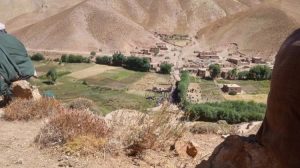
On Thursday, September 12, around 1:00 PM, as part of the targeted killing of Hazaras in Afghanistan, 13 Daykundi residents and one person from Ghor were shot dead by unidentified gunmen. ISIS later claimed responsibility for the attack, which also left six others injured.
According to reports, the victims were residents of Qerodal village in the Sangtakht and Bandar districts of Daykundi province. They had gone to Qerodal mountain pass, located between Pahloosang village in Ghor province and Qerodal in Daykundi province, to greet pilgrims returning from Karbala but were ambushed by ISIS affiliates.
List of Deceased from Qerodal Village, Sangtakht and Bandar District, Daykundi Province
| No | Name | Father’s Name | Ethnicity | Religion | Village | District | Province |
| 1 | Nemat | Chaman | Hazara | Shia | Qerodal | Sangtakht and Bandar | Daykundi |
| 2 | Ishaq | Chaman | Hazara | Shia | Qerodal | Sangtakht and Bandar | Daykundi |
| 3 | Dor Mohammad | Amir Mohammad | Hazara | Shia | Qerodal | Sangtakht and Bandar | Daykundi |
| 4 | Anwar | Qasim | Hazara | Shia | Qerodal | Sangtakht and Bandar | Daykundi |
| 5 | Ewaz | Chopan | Hazara | Shia | Qerodal | Sangtakht and Bandar | Daykundi |
| 6 | Esmatullah | Maeli | Hazara | Shia | Qerodal | Sangtakht and Bandar | Daykundi |
| 7 | Ibrahim | Arzi | Hazara | Shia | Qerodal | Sangtakht and Bandar | Daykundi |
| 8 | Hussain | Haidar | Hazara | Shia | Qerodal | Sangtakht and Bandar | Daykundi |
| 9 | Ali Mohammad | Dor Mohammad | Hazara | Shia | Qerodal | Sangtakht and Bandar | Daykundi |
| 10 | Mohammad Hassan | Hussain Dad | Hazara | Shia | Qerodal | Sangtakht and Bandar | Daykundi |
| 11 | Anwar Ali | Hussain Ewaz | Hazara | Shia | Qerodal | Sangtakht and Bandar | Daykundi |
| 12 | Chaman | Sakhi Dad | Hazara | Shia | Qerodal | Sangtakht and Bandar | Daykundi |
| 13 | Ali Hussain | Ghulam Hussain | Hazara | Shia | Qerodal | Sangtakht and Bandar | Daykundi |
| 14 | Abdul Manan | Abdul Qadir | Tajik | Sunni | Safedarak | Ferozkoh | Ghor |
List of People Injured
| No | Name | Father’s Name | Ethnicity | Religion | Village | District | Province |
| 1 | Jawad | Chopan | Hazara | Shia | Qerodal | Sangtakht and Bandar | Daykundi |
| 2 | Gol Ahmad | Safdar | Hazara | Shia | Qerodal | Sangtakht and Bandar | Daykundi |
| 3 | Mokhtar | Sarwar | Hazara | Shia | Qerodal | Sangtakht and Bandar | Daykundi |
One Sangtakht and Bandar district resident, who wished to remain anonymous, told the Hasht-e Subh Daily that a local named Chaman had traveled to Karbala. After returning, he contacted his family and informed them he was heading home via Ghor. The resident added that Chaman and his two children had rented a car and were traveling toward Qerodal mountain pass when they were ambushed by four gunmen, resulting in 14 deaths and four injuries.
Among the victims was Abdul Manan Azimi, a resident of central Ghor, who had graduated from Khatam al-Nabiyyin University with a degree in dentistry and operated a dental clinic in the district of Sangtakht and Bandar.
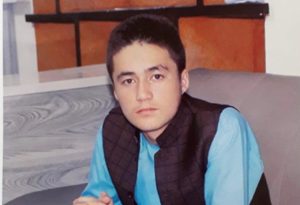
Local sources in Ghor province stated that Azimi was traveling between Sangtakht and Bandar district and the Sefidarak Zartalay village when he was killed by ISIS gunmen while returning home as part of a caravan traveling from Daykundi to Ghor.
ISKP claimed responsibility for the attack on Daykundi residents. On Thursday night, September 12, the group released a statement on the Amaq website, announcing that their fighters had killed 15 Shiites in the Qerodal area between Ghor and Daykundi and injured six others.
Domestic Reactions
The Afghanistan Freedom Front (AFF) condemned the massacre of Hazara travelers as genocide and a crime against humanity, accusing the Taliban of involvement. In a statement, the Front described the attack as a “war crime,” adding, “This brutal massacre occurred after all residents had been disarmed, leaving armed only Taliban militias in Ghor, Daykundi, and surrounding areas.”
The Front further claimed that similar incidents in central, northern, and western Afghanistan show that the Taliban are conducting ethnically motivated killings, particularly targeting Hazaras, under various pretexts and are forcibly displacing people to alter the demographic makeup of these regions.
The National Resistance Front of Afghanistan also condemned the Taliban ideology for justifying the killing of Hazaras. In a statement, they noted, “The Taliban ideology not only legitimizes the killing of Hazaras but also creates a system of impunity for such crimes under the banner of the Emirate.”
Rahmatullah Nabil, the former head of Afghanistan’s National Directorate of Security, called the event “the most heart-wrenching form of violence” in a tweet. He added, “These tragedies are not just wounds on our Hazara community but on the soul of all Afghans. Now, more than ever, we need to unite and build a new narrative for this country—one where all ethnic groups, regardless of religion or ethnicity, enjoy equal rights and security. Otherwise, this vicious cycle of extremism and the killing of innocent people in the name of religion will continue for generations.”
Jamshid Yama Amiri, a journalist, reacted to the killing of 14 civilians in Daykundi by questioning the Taliban’s claim that ISIS has been eradicated in Afghanistan. He asked, “If ISIS has been eliminated, then who is responsible for this systematic killing?”
Bismillah Taban, the former head of criminal investigations at the Ministry of Interior, claimed that the presence of the Taliban has paved the way for all terrorist incidents in the country. According to him, such events occur with the Taliban’s participation, and the genocide of Hazaras is carried out with their complicity. He further alleged that the Taliban have no interest in protecting the people of Afghanistan, particularly Hazaras, who are viewed as outsiders by the group.
International Reactions
The United Nations Assistance Mission in Afghanistan (UNAMA) issued a statement condemning the attack on Hazara civilians and calling for an investigation to hold those responsible accountable. The statement read, “UNAMA condemns yesterday’s attack in central Afghanistan, which led to the deaths and injuries of several members of the Shia community.”
Richard Bennett, the UN Special Rapporteur on the Situation of Human Rights in Afghanistan, also described the killing of 14 Daykundi residents as “horrific” and stated that the incident has signs of international crimes. He emphasized the need for prevention, protection, and international accountability for such attacks in Afghanistan and urged immediate action.
Reactions of Foreign Countries
The Embassy of the Islamic Republic of Iran in Kabul condemned the attack in a statement, confirming that ISIS was responsible for the assault. The embassy expressed its desire for the perpetrators of this “great tragedy” to be brought to justice and stated its readiness to assist in this matter.
After more than 24 hours, Zabihullah Mujahid, the Taliban spokesperson, condemned the killing of 14 Daykundi residents, calling the act “barbaric” and asserting that the Taliban are responsible for ensuring the safety and security of the population.
Meanwhile, some media outlets, citing relatives of the victims, claimed that the attack was carried out by the Taliban and that the weapons used were left behind by U.S. forces. The Hasht-e Subh Daily has not independently verified these claims, but sources told the newspaper that those who carried out the killings had previously received support from the Taliban and were likely members of the group.
This attack follows an earlier suicide bombing in Kabul, which ISIS claimed responsibility for, killing 11 and injuring over 15 others. The victims of that attack were employees of the Taliban’s Directorate of Orders and Decrees. All the deceased were young men who had worked in the Attorney General’s office under the previous government. This incident also raised numerous suspicions about Taliban involvement.
Previously, Vladimir Voronkov, the United Nations Under-Secretary-General for Counter-Terrorism, had warned that the ISKP affiliate in Afghanistan represents the greatest external terrorist threat to Europe as the group is strengthening itself. He stated last month: “ISKP has improved its financial and logistical capabilities over the past six months, including by utilizing support from the Afghan and Central Asian diaspora.”
You can read the Persian version of this daily report here:
واکنشها به کشتار هزارههای دایکندی؛ «نسلکشی و جنایت علیه بشریت» است