
The United Nations Development Programme (UNDP) has announced that 74 percent of Afghanistan’s population faced food insecurity in 2025.
The UNDP reported on Wednesday, May 13, that despite 1.9 percent economic growth, Afghanistan’s economy remained far too weak to keep pace with the country’s rapidly growing population.
The report examines the economic conditions of Afghan society under Taliban control in 2025.
According to the report, structural restrictions, limited job opportunities, a growing trade deficit, and declining international aid continue to slow recovery efforts.
The report indicates that many families have been unable to meet their basic
needs.
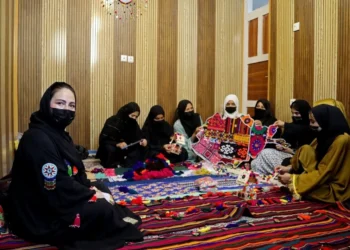
It states that rural areas, women, returning migrants, and drought-affected regions faced the most severe pressures.
The report added that rising debt, limited livelihoods, reduced access to healthcare services, and increasing water shortages have intensified household vulnerability.
The report calls for urgent and targeted measures, including continued international assistance, support for livelihoods and private sector development, expansion of social protections, investment in climate resilience,
and the removal of restrictions on women and girls to support a more inclusive and sustainable recovery.
Previously, the United Nations reported that 17.4 million people in Afghanistan are living below the poverty line, while 4.7 million are in emergency conditions.