The United Nations Office on Drugs and Crime (UNODC) says that concurrent crises in Afghanistan, including restrictions on women’s rights, declining humanitarian aid, and the forced return of Afghans, have increased the risk of crime, exploitation, and instability.
The office said on Tuesday, September 29, that addressing these challenges is important not only for Afghanistan’s future but also for maintaining regional and global security.
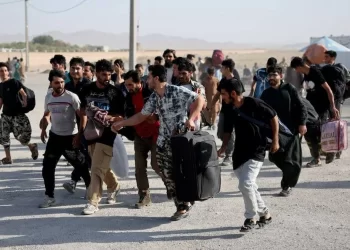
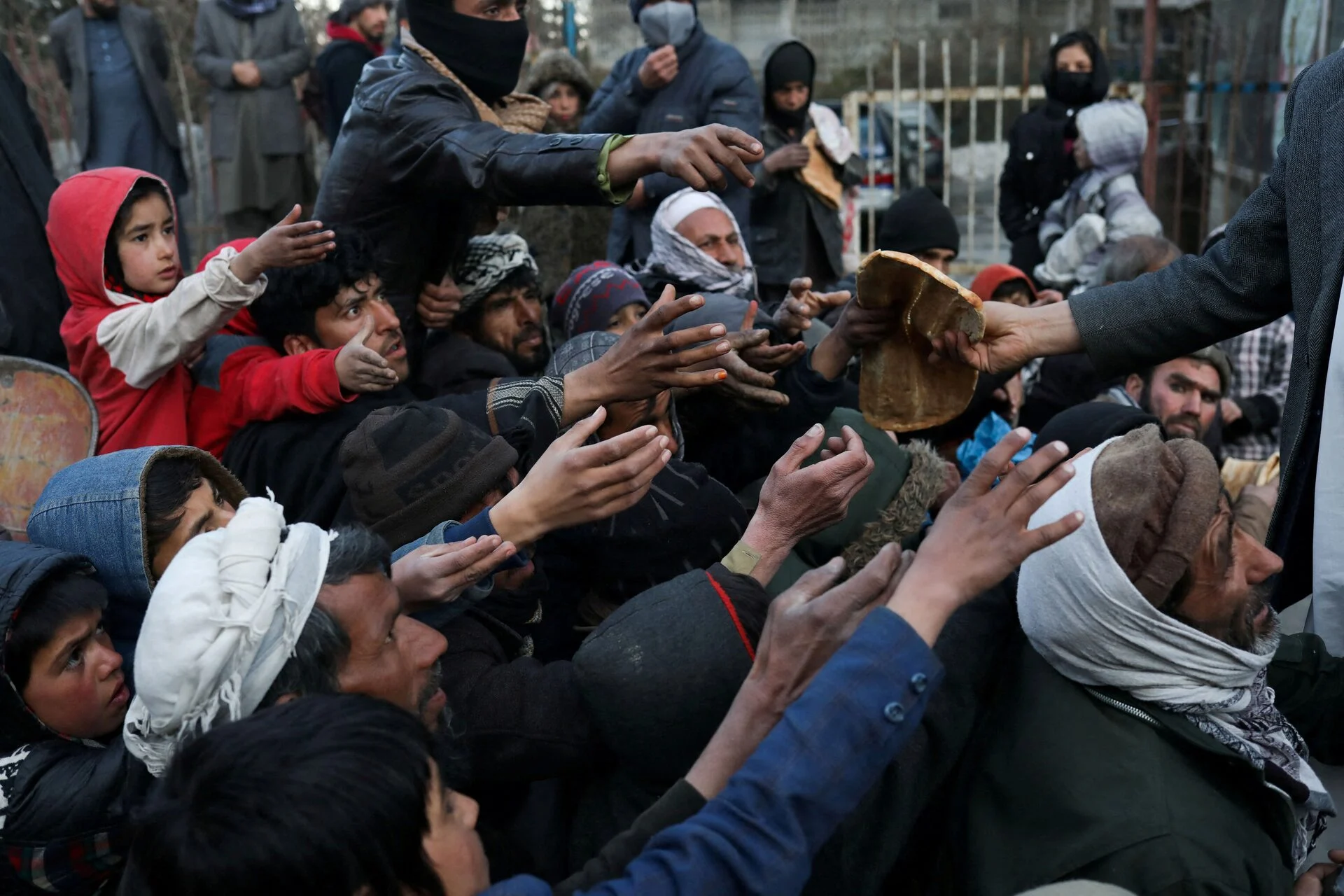
The agency added that restrictions on the rights of women and girls, the decline of the rural economy based on poppy cultivation, reduced humanitarian assistance, and the large-scale return of Afghans from neighboring countries are among the crises that have deepened existing vulnerabilities in Afghanistan.
The United Nations Office on Drugs and Crime emphasized that each of these pressures can increase the risk of crime, exploitation, and instability.