The United Nations Office on Drugs and Crime (UNODC) has reported that opium production in Afghanistan increased nearly fivefold in 2026 compared with the previous year.
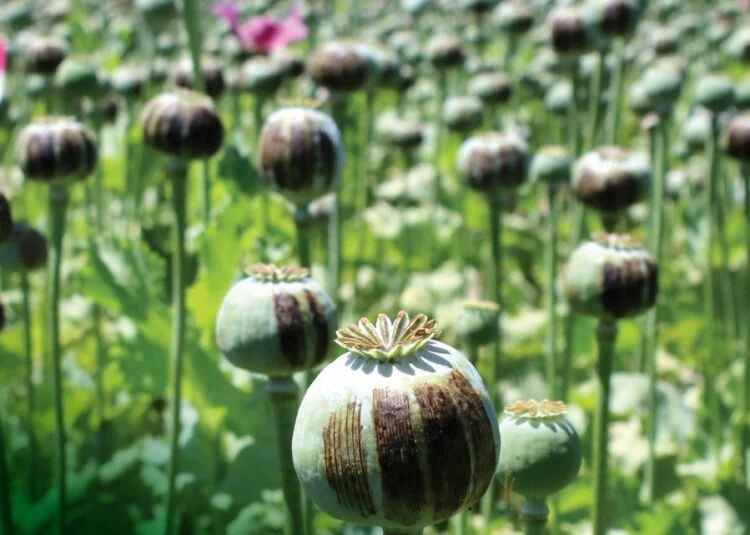
In a report released on Thursday, October 29, the office said the area of land under poppy cultivation in Afghanistan had increased from approximately 10,000 hectares in 2025 to more than 43,000 hectares in 2026.
According to the report, the area under poppy cultivation increased by 330 percent in one year, while opium production rose by approximately 400 percent.
The report said poppy cultivation had spread to 16 Afghan provinces, with about 75 percent of the cultivated area concentrated in the country’s northeast, particularly Badakhshan province.
According to UNODC, some farmers grow poppies among grain crops and inside walled compounds to avoid detection and the destruction of their fields.
Some farmers also stagger planting and harvesting schedules to reduce the risk of their poppy fields being identified.
Monica Juma, the executive director of UNODC, said farmers’ poverty and the lack of alternative sources of income make it difficult to achieve a sustained reduction in poppy cultivation.
She called for cooperation between the de facto authorities and the international community to create livelihood opportunities, improve agricultural infrastructure, and help farmers gain access to markets.