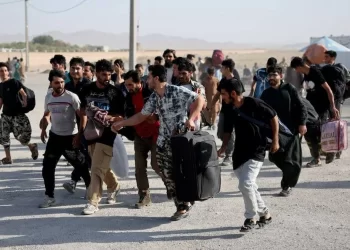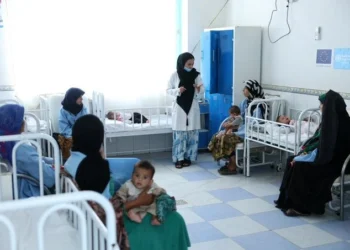

The United Nations Human Settlements Programme (UN-Habitat) has announced that the rapid pace of urbanization in Afghanistan, driven by internal displacement, forced returns, and economic crisis, is intensifying gender inequalities in informal urban and peri-urban settlements across the country.
In a report published on Monday, March 8, the organization stated that data gathered from community surveys in densely populated areas with marginalized populations shows that the urban environment is not reducing gender gaps but rather widening them.
According to the report, since the Taliban took control of Afghanistan, nearly all traditional pathways for ensuring the security, dignity, and empowerment of women and girls have been eliminated.
The United Nations noted that Taliban regulations have restricted formal education, freedom of movement in public spaces, employment, public participation, and leadership roles for women in Afghanistan.
UN-Habitat warned that for women and girls, particularly those living in informal urban and peri-urban settlements, these restrictions are compounded by even greater vulnerabilities.
The United Nations added that these vulnerabilities, combined with insecure housing and land rights, lack of safety in public spaces, limited access to water and sanitation services, and diminishing livelihood opportunities, are further deepening existing inequalities.
You can read the Persian version of this news here:
سازمان ملل: شهرنشینی سریع نابرابریهای جنسیتی در افغانستان را تشدید میکند