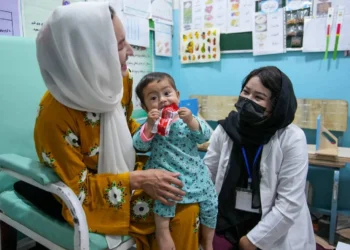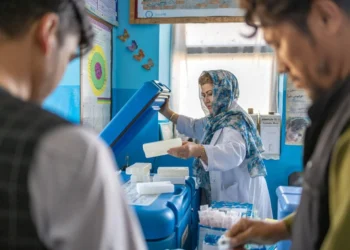

The United Nations Children’s Fund (UNICEF) has warned that more than 212,000 Afghan children are now at serious risk of contracting acute watery diarrhea and other waterborne diseases following the recent earthquake in eastern Afghanistan.
In a report published on Wednesday, October 15, UNICEF stated that the 6.3-magnitude earthquake destroyed homes and critical water, sanitation, and hygiene infrastructure in remote areas.
According to the report, surviving children are now living in camps or temporary shelters without access to safe drinking water.
Dr. Tajuddin Oyewale, UNICEF’s Representative in Afghanistan, said, “This is a perfect storm for a health disaster.”
Acute watery diarrhea is one of the three main types of the disease and remains the third leading cause of death among children under five globally.
The World Health Organization (WHO) notes that access to clean water and adequate sanitation facilities can significantly reduce the risk of such infections.
UNICEF reported that the earthquake destroyed 132 water sources, and four out of every five affected communities are now resorting to open defecation.
So far, the agency has provided temporary sanitation facilities, hygiene kits, and emergency water supplies. However, only half of the $21.6 million requested for the emergency response has been funded.
UNICEF has called on donors to allocate additional resources.
Meanwhile, the World Food Programme (WFP) is facing a funding shortfall of $622 million for the next six months, with its assistance currently reaching less than 10 percent of Afghanistan’s food-insecure population.