
“The Rise and Fall of the First Emirate: Tracing the Evolution of the Modern State”
Education in Afghanistan has undergone numerous fluctuations. Various governments have utilized education as a means of asserting their political and cultural dominance over their adversaries. The Taliban regime represents the most recent and extreme manifestation of such regimes. During its initial period of rule, this regime sought to suppress the contemporary elements of education and integrate them into the traditional madrasa system. They imposed restrictions on men’s education and completely prohibited women from pursuing education. However, the Taliban’s aversion to modern education is not a recent development, as Afghanistan’s history has witnessed numerous instances of resistance against contemporary educational practices.
Before the reign of Amir Sher Ali Khan, public education was not widespread in Afghanistan, and only a small percentage of children and teenagers received education in traditional home schools. During the time of Shir Ali Khan, two military and civilian schools were established. However, when Amir Abdur Rahman Khan assumed power, no new schools were established, and the existing schools from Amir Sher Ali Khan’s era were also closed. As a result, during the two decades of Amir Abdur Rahman Khan’s rule, the country’s education system experienced a period of decline, with even the schools from Shir Ali Khan’s time remaining closed. (Ibid., 41)
Habibullah Khan, who is renowned in the history of education for establishing the prestigious Habibia High School, initially took measures to expand education. However, he later became hostile towards those who supported education due to concerns about the social influence of teachers and school graduates, as well as the potential threat to his own power. With the support of influential khans and mullahs who viewed the rise of the newly educated class through non-traditional education as a challenge to their own dominance in politics and society, he imprisoned, executed, and even used cannons to kill a significant number of scholars. This resulted in a period of darkness for education in the country. This article briefly examines the hostility towards modern education from the reign of Shah Amanullah Khan until the present day.
From Amani’s Modernity to Nadir Khan’s Traditionalism
Amanullah Khan made efforts to improve the situation in Afghanistan. However, his actions were perceived as rushed, leading to strong opposition from mullahs and other traditional individuals with tribal mindsets. Despite facing initial resistance, Amanullah Khan, who assumed power at a young age, took significant measures for the country’s development, including his support for education. In 1922, he elevated the Department of Education to the status of the Ministry of Education, allocating a substantial budget to it, making it the third-largest ministry in terms of funding.
He dispatched a total of 350 students to various countries such as Turkey, the Soviet Union, Germany, France, and Italy. Additionally, he established a total of 322 schools within the country, including vocational schools. These educational institutions were staffed by 1,500 teachers who imparted knowledge to a student body of 51,000 individuals. This information is sourced from Ahmadi Wardak’s work in 1395 (254). Furthermore, Article 14 of Amanullah Khan’s era Constitution guaranteed the right to teach for all individuals, stating that teaching is completely free. According to the general education curriculum, every citizen of Afghanistan is granted the opportunity to teach publicly or privately. The sixty-eighth article of this constitution also emphasized the mandatory nature of elementary education for all Afghan citizens.
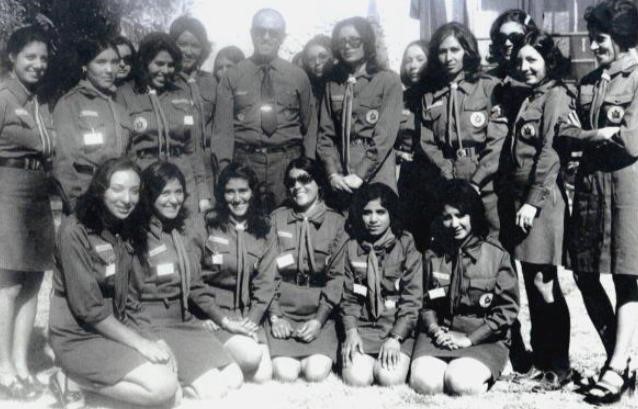
Amanullah Khan’s actions, such as implementing the hijab, providing education and sending female students abroad, and establishing laws, resulted in a military uprising against his government. The primary opposition to Amani’s reforms centered around the Penal Code, which traditional mullahs believed contradicted the principles of Islam. They argued that imposing laws in the presence of the holy Quran was a religious heresy. In 1302, Mullahs like Mullah Abdullah Gardizi (Mullah Lang) and Mullah Abdul Rashid initiated an armed rebellion in the provinces of Paktia and Khost. This rebellion marked the first significant resistance from traditionalists against modern education.
The young Shah initially opposed the traditionalists but was eventually compelled to retreat. In 1307, the Shenwar rebellion arose against Amanullah Khan’s government due to their failure to address the nomad conflict petition. According to Mir Mohammad Sadiq Farhang, the rebellion gained strength due to an error made by the Shah’s envoy. The foreign minister unintentionally bolstered the rebellion, leading to an expansion of the rebels’ demands. During the Shenwar rebellion, Ghulam Sadiq Khan, the foreign minister, visited the tribe and negotiated with rebel leaders Muhammad Alam Khan and Muhammad Afzal Khan. They presented him with a lengthy list of their grievances.
In addition to demanding the cancellation of important reforms during the Amani period, these demands also included disrespectful interference in the personal matters of the Shah, such as requesting the divorce of Queen Soraya and the imprisonment of her father Mahmoud Tarzi. Amanullah Shah did not agree with this argument, but he did inform Hamfazir, the British Minister Plenipotentiary, that he planned to delay the education of women for twenty years and entrust elementary education to the mullahs. This decision marked a significant retreat by the progressive Shah against the mullahs and other traditional individuals, which he later attempted to compensate for, but was ultimately unable to do so.
Amanullah Khan, who received assistance from the mullahs at the start of his political journey and consequently gained the moniker “Ghazi,” had his reforms, particularly in the realm of education, furthered by these same mullahs and supported by other traditionalists involved in the war effort. However, when Habibullah Kalakani assumed power, he halted Amanullah’s reforms. Throughout his ten-month rule, Habibullah Kalakani did not allocate sufficient time or display the inclination to prioritize education.
Mohammad Nader Khan, who deposed Habibullah Kalakani, implemented an autocratic and regressive system. Ghulam Muhammad Ghubar describes Mohammad Nader Khan’s rule as a time of oppression, reaction, and tyranny, noting that the regime’s primary objective was to maintain the country in a backward medieval state, hinder the progress of national education, suppress the spirit of bravery and national resistance against internal oppression and British influence…” (Ghubar, 2017: 46)

An examination of the era of Nader Khan and the arguments put forth by the ruling establishment, including the Shah himself, regarding the hindrance of modern education, highlights the resemblance between that period and the Taliban era. If we consider the presence of tyranny and the attainment of power through force, one of these similarities is the establishment of the Council of Scholars (known as Jamiat al-Ulama at that time). This council or community of scholars consisted of traditional mullahs who supported the rule of Nader Khan and his family. Whenever the Shah required justification to suppress a particular group or undertake any other action, he would request a fatwa from this council, which would then issue the desired fatwa.
The council regarded Shah’s absolute authority as a divine decree and therefore obligatory, and labeled his opponents as “rebels”. Similarly, the Taliban now view themselves as the rightful authority and demand obedience, referring to their adversaries as “rebels”. The Taliban have established similar councils in the provinces, serving the same purpose as those during Nader Khan’s era.
Another similarity exists in the presence of the Inquisition Police, which bears resemblance to the current circumstances involving the Taliban. Similarly, Nader Khan employed inspectors who would travel within cities wielding whips, using them to lash individuals in the name of forsaking obligations or even traditions, much like the actions of the Taliban today. Additionally, there is a parallel in the excessive reverence shown towards the mullahs, who, as stated by Ghubar, gained control over state newspapers such as Islah in alignment with the objectives of the royal family.
The arguments put forth by Nader Khan and his government regarding the prevention of modern education, particularly women’s education, are similar to those of the Taliban. One of Nader Khan’s actions, reminiscent of Hibatullah, was the closure of schools and the establishment of religious schools. Ghubar states that “the kingdom began to repair the Hajikhana in Hijaz and establish Hefaz madrasas and jurisprudence madrasas in Afghanistan” by abolishing the former schools (Ghubar, ibid.: 84). During this time, modern education once again faced resistance. Nader Khan himself laid the foundation for education during his reign.
The initial action taken by the kingdom involved the closure of women’s schools, the Kabul Women’s Association, and the Irshad al-Naswan magazine. Additionally, Afghan students in Turkey were forcefully repatriated and concealed under the burqa. According to Ghubar, Nader Khan proceeded to shut down all secondary schools nationwide and in Kabul, denying older students access to education by categorizing them as adults. Ghubar further asserts that Nader Khan’s government maintained a limited number of schools in Kabul to create the illusion of support for education, while falsely claiming that Afghans were opposed to modern education.
The kingdom attempted to demonstrate to the world that the people of Afghanistan are fundamentally opposed to education, progress, and civilization. However, it is the government that has established 27 primary schools for the 15 million inhabitants of Afghanistan. The Taliban regime also engages in similar actions, constructing “jihadi madrasas” where political discussions and thinking are prohibited, much like Nader Khan’s government. Students in these religious schools are submissive and obedient, which hinders their ability to think critically. To avoid further extending the sentence, additional similarities are not mentioned.
The opposition of Nader Khan and his companions to modern education resulted in only 39 schools, including professional and military schools, remaining active in the country during his reign. According to Ahmadi Wardak, there were a total of 39 active schools in Kabul and the provinces, with 1,590 students being taught by 53 teachers. Ghubar estimated that the total number of students during Nader Khan’s era was 4,591, with 165 teachers. This is in stark contrast to the era of Amanullah Khan, where there were 51,000 students according to Wardak’s book. Additionally, Ghubar, quoting Faiz Mohammad Zakaria, Minister of Education under Nader Khan, stated that there were 83,000 students enrolled in official schools.
During his four-year rule, Nader Khan accomplished several notable achievements, including the establishment of War University, Faculty of Medicine, Darul Uloom Arabiyya, Naderi Darul-Ayitam, Sports, Sarandavi Institute, and Pharmacy School. (Kamgar, 1377: 44)
After Nader Khan faced obstacles in pursuing education, he was eventually compelled to be more flexible due to the demands of the time. As a result, in addition to the aforementioned positive initiatives, a midwifery course was established in Mastorat Hospital and the Girls High School was reopened in 1931. (Ibid., 46)
Forty Years of Zahir Shah’s Reign
During the reign of Mohammad Zaher Shah, primary education was supposed to be mandatory, but this requirement was not enforced. One of the reasons for this was the lack of schools across the entire country. In remote areas, there were no schools available, which meant that education was not compulsory. Although there was a provision for compulsory education in Amanullah’s era and it was later reaffirmed in the 20th article of Nader Khan’s constitution, it was not put into practice. Additionally, during Mohammad Zahir Shah’s reign, the government failed to extend education to remote regions, and the system allowed for discrimination against individuals with disabilities.
One of the requirements for admission to school was to be in good health. The report “Knowledge of Afghanistan in the last fifty years” states that, according to the elementary school curriculum, all Afghan citizens have the privilege of attending school without any limitations, provided they are in good health (Afghanistan Education in the last fifty years; 1335-1285, p. 41). The reign of Mohammad Zahir Shah can be divided into two distinct periods: the period when his uncles held power, and the period when Shah himself had authority.
- Zahir Shah’s Uncles’ Era
At the start of Mohammad Zahir Shah Jawan’s reign, his uncles held the main power as prime ministers. Hashim Khan served as the prime minister and wielded significant influence for the first twelve years. However, this period under Hashim Khan’s leadership is regarded as a dark chapter in Afghanistan’s history. Despite some efforts to improve education during this time, the government hindered any positive outcomes. For instance, Nader Shah drastically reduced the number of Afghan religious students from 80,000 to 4,592 within his four-year rule. After Nader Khan’s assassination, Mohammed Hashim Khan managed to increase this number to 18,870 within four years. Additionally, the number of elementary, middle, and secondary schools and faculty rose from 35 to 228, and the number of teachers increased from 165 to 833. Nevertheless, the government made the decision to decrease the length of primary education from five years to four years in order to prevent religious students from acquiring basic literacy skills (Ghubar, ibid.: 197). According to Kamgar (ibid.: 46), during Hashim Khan’s presidency in 1940, there were only 346 schools in Afghanistan, educating a mere 93 thousand students. This number of school chapters is remarkably low and insignificant for a country as vast as Afghanistan, with a population exceeding ten million, especially considering it was the latter half of the 20th century.
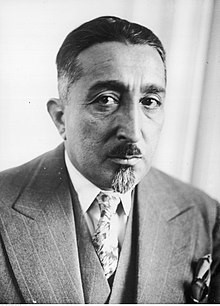
During the tenure of Shah Mahmoud, which commenced in 1325, certain liberties were upheld. During this period, both the chancellor and Mohammad Zaher Shah made efforts to discuss democracy in their public statements. Progress was made in the realm of education. Colleges experienced growth and diversification, and there was some attention given to women’s education, particularly in Kabul. Girls’ schools, which previously only graduated students up to the seventh grade, and occasionally the eighth and ninth grades, were elevated to the eleventh grade during this time. Graduates of these schools were also awarded baccalaureate points. “In 1946-1947, the Ministry of Education conducted a thorough review of the girls’ school curriculum through a dedicated commission. This investigation revealed that the existing education provided in girls’ schools was insufficient for adequately preparing them for motherhood. Consequently, the education for women was extended up to the 11th grade, and to incentivize them, the Ministry of Education granted them the privileges associated with a baccalaureate degree. In 1327, High Darul-e-Moallemat was established as a specialized faculty for women, with two branches, specifically for graduates of the 11th grade. This initiative, implemented during Shah Mahmoud’s tenure, was considered one of the significant advancements in women’s education. However, it is important to note that women’s education was not fully recognized as a fundamental right, as indicated in the Ministry of Education’s report, which implied that the primary purpose of women’s education was to produce “proper mothers”. Additionally, access to education for women in remote areas remained limited during this period. Despite the establishment of rural schools in 1326, which was a notable achievement during Shah Mahmoud’s reign, these schools only managed to enroll 153 students over a span of ten years.
In addition, there was a significant disparity between the number of male and female students. According to the statistics from the year 1333 in the Persian calendar, there were 105,641 male students and only 8,625 female students enrolled in education (Ibid.). However, the progress of education, including women’s education, faced obstacles during the reign of Shah Mahmud, particularly from Nader Khan and Hashim Khan.
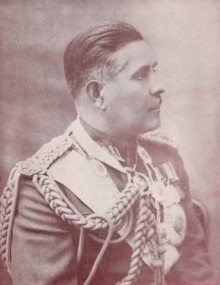
When Mohammad Daoud Khan assumed the position of chancellor, he prioritized the economy and politics. He took the Pashtunistan issue, which was initially proposed by Shah Mahmoud, more seriously. However, his involvement in this matter limited his ability to address other issues, such as education. Mohammad Sadiq Farhang reports that some progress was made in terms of increasing the number of schools in rural areas, but the quality of education suffered. Additionally, Daoud Khan displayed autocratic tendencies and shared his uncle Hashim Khan’s fear of freedom of speech and press. Consequently, he did not exert much effort to expand education.
- The Reign of Mohammad Zahir Shah: A Golden Era of Authority
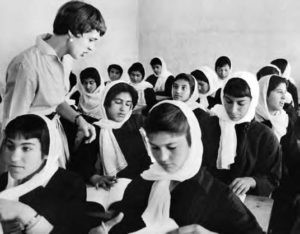
Following Daoud Khan’s presidency, a period known as the “democracy decade” commenced, allowing intellectual movements to operate more freely than ever before. During this time, Mohammad Zahir Shah assumed power from his uncles, leading to a greater emphasis on education. Throughout the decade of democracy, modern education faced challenges from both government and non-government traditionalists. In response, a polytechnic university and multiple teacher training schools were established, and many teachers were sent abroad to enhance their skills. The education system was extended to a 12-year program. However, Kabul University faced obstacles, experiencing two instances of blockage: a six-month closure in 1969 and a 170-day closure in 1971. Despite these setbacks, some educational institutions received funding from foreign countries, including the American International School.

Photo: Dr. Bill Podlich
The education system during the decade of democracy had its flaws as well. One major issue was the establishment and expansion of night schools, which unfortunately still exist today. These schools were created specifically for students of a particular ethnic group, providing them with financial support and accommodation. However, allocating a significant budget to these schools had a negative impact on the overall quantity and quality of public education. The financial burden of educating one student in these schools was equivalent to educating ten students in regular schools. Additionally, the quality of education in these schools has remained low, resulting in the graduation of officials who are only partially educated or less educated. These individuals often obtain high positions based on their connections and ethnic background. This cycle acts as a barrier to the advancement of education and training.
During the period of democracy, the country’s universities, particularly Kabul University, experienced significant political tensions. Many students became affiliated with political parties, leading to conflicts between left and right ideologies. Protests and demonstrations were frequently organized within the university. In addition to the left-wing movement, extreme right-wing groups also emerged, expressing objections to various issues, including the attire of female students. These protests spilled onto the streets, and there were reports of individuals such as Gulbuddin Hekmatyar, a former Mujahideen Leader, attacking women and girls with acid. Consequently, modern education once again encountered opposition from traditionalists during this time, resulting in significant damage.
During Zahir Shah’s lengthy reign, education was generally supported, particularly in the last decade when there was a focus on educational excellence worldwide. However, there were still instances of discrimination, such as the government’s lack of effort to expand modern knowledge in the Hazara residing regions. Throughout Zahir Shah’s era, the number of educational institutions grew to 3,500, accommodating a total of 764,776 male and female students who were taught by 25,300 teachers. This period also saw the establishment of Kabul University, which offered various fields of study including medicine, science, literature, law, political science, and religious studies. At Kabul University, a total of seven thousand students were enrolled, being instructed by 834 professors, including 61 female professors. (Ahmadi Wardak, p. 264)
Daoud Khan’s Republic of and the Chaos He Created
The decade of democracy in Afghanistan resulted in the establishment of the most advanced constitution up until that point. Despite some shortcomings, significant progress was made during this period. Pre-publication censorship was abolished, education was greatly improved, political parties were allowed to operate even without the approval of party laws, and the country was moving towards recognizing individual and collective freedoms. Unfortunately, this progress was abruptly halted by Sardar Mohammad Daoud Khan. He seized power through a coup d’état on the 26th of Saratan month in 1352, setting a precedent for future coups and the use of force to gain control. This led the country into a predicament that remains unresolved even after half a century. The political turmoil caused by this situation has resulted in a high level of violence and has greatly damaged the education system. Since Daoud Khan’s coup, the country has experienced a loss of relative peace, leading to the marginalization of education by fundamentalist groups.
However, Daoud Khan made both positive and negative decisions during his self-declared republic in regards to expanding education. One positive action was the establishment of the Ministry of Higher Education. On the other hand, a negative decision was the implementation of an entrance exam after the eighth grade to enter the ninth grade. Additionally, he made other alterations to educational programs, such as conducting school exams at the end of each month and setting the age of entry to school at six or seven years old. These changes in school planning ultimately exacerbated the issues within the education system.
During that period, a significant number of students who had successfully passed the public entrance exam found themselves unemployed, earning them the label of exam failures. In 1355, a portion of ten percent from the country’s overall budget was allocated towards education. However, when examining the student statistics, it becomes apparent that this measure did not yield particularly impressive results. Nevertheless, according to the data from 1356, the total number of school students amounted to 888,800, while the number of university students, including 300 girls, reached 16,147.
The number of students has increased compared to the late period of Mohammad Zahir Shah, which is to be expected. In 1354, there were 300,000 middle school students and 125,000 high school students (Kamgar, 1377: 59). In the constitution of Daoud Khan, similar to the constitution of 1343, one of the government’s goals is mentioned as the “provision and expansion of free compulsory primary education, as well as the development and growth of general, professional, and higher secondary education to cultivate and provide scientific and technical personnel to serve the people” (Article 10 of the 1355 Constitution).

Source: http://pashtunkings.blogspot.com/
If we examine the state of education during the 50-year period of John the Baptist, a preacher from Judea, it becomes apparent that Nader Khan, uncles of Zahir Shah and Daoud Khan, did not prioritize education. Despite the relatively peaceful circumstances of that era, Zahir Shah himself made minimal efforts in this regard. Although half a century is a significant amount of time to establish universities and schools, the John the Baptist family accomplished very little in practice. One detrimental tradition inherited from that era is the practice of sending individuals who score the lowest on entrance exams to teacher training centers to educate the next generation. This approach hinders the progress of education in the country.
The Communism Era
When Nur Muhammad Taraki, a communist politician in Afghanistan, overthrew the government of Mohammad Daoud in a violent coup on the 7th of Sawr in 1357, he furthered the process of sending students to the Soviet Union. This practice had already begun during the democratic period, but under the communist regime, the number of students sent to Russia increased significantly. In 1978, approximately 700 young Afghans went to study in Russia, but by 1979, this number had risen to 4,000. Additionally, Taraki established several schools and colleges within Afghanistan and elevated Nangarhar Medical School to the status of Nangarhar University.
Taraki reversed the modifications made by Daoud Khan in the educational programs and implemented his own changes. He eliminated the Kankour test after the eighth grade and extended the school period to ten years. Subsequently, in 1364, the school system was expanded to eleven grades, and in 1369, it was further expanded to twelve grades. The communist governments, from Taraki to Mohammad Najibullah Ahamadzai, the former Afghan President, followed in the footsteps of their predecessors by implementing various measures to enhance education. Notably, one of the significant measures was the expansion of literacy courses.
Based on the data provided in the book History of Afghan Education, there were 32,000 ongoing literacy programs in 1361, benefiting a total of 1,697,500 individuals, both men and women (Ahmadi Wardak, p. 82). Ikhlasi, citing Sultan Ali Keshtmand, disputed this number and claimed it to be 400,000. However, Mohammad Akram Andishmand asserts that during the 1980s, as a result of the war’s escalation, these programs were restricted to Kabul and major provincial hubs.

Source: afghanistan-analysts.org
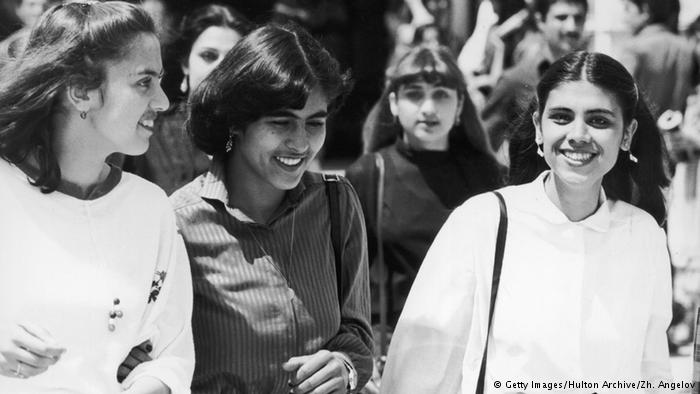
Another important advancement in the promotion of contemporary education was the founding of the Pedagogical Institute in Kabul in 1363, which also offered a master’s program. Additionally, the focus on women’s education, the expansion of girls’ schools, and the inclusion of female students and professors were other commendable actions during that time.
Mohammad Akram Andishmand regards the most significant accomplishment of the communist governments in the realm of education to be their focus on higher education. This involved the establishment of various academic disciplines and a notable increase in the student population at Kabul University, which reached 10,000 individuals, with 60% being female students. Another noteworthy achievement during that time was the dispatching of numerous students to Soviet countries for educational purposes. Additionally, there was a deliberate emphasis on non-Pashto languages during that period.
According to the statistics from 1369, there were a total of 1,401 active schools in the country, with a student population of 909,870. Of these students, 2,290 were enrolled in universities and an additional 1,895 were studying in institutes. There were also 23 state religious schools, which had a total of 9,445 students. However, Andishmand views the period of communist rule as a time of educational decline. Based on the report from Haqiqat-e Inquilab-e Saur, Andishmand states, “The number of public schools in the country was 1,154 in 1985. When comparing this to the number of schools in 1977-1978, the last year of Muhammad Daoud’s republic, which was 3,749, it becomes evident that education experienced a significant decline during the years of the ruling People’s Democratic Party.” (Andishmand, Contemporary Education in Afghanistan)
During that time, the main issue in education was the promotion of ideology among students. For instance, in 1364, the Central Committee of the People’s Democratic Party sent a letter to educational institutions, emphasizing the obligation of teachers to educate their students about the friendship between Afghanistan and the Soviet Union (Russia). Additionally, “Afghan-Soviet friendship rooms” were established in secondary schools and higher education institutions. The Central Committee of the People’s Democratic Party claimed that teaching and promoting Afghan-Soviet friendship was part of teachers’ official duties and training in schools. This further fueled the skepticism towards modern education that traditional education supporters had already instilled in society. Many mullahs opposed modern education and even excommunicated teachers.
Despite the closure of most of these “friendship rooms” and the replacement of communist themes with Islamic themes during Dr. Najibullah’s era, the educational system did not improve. The neglect of education during the 50-year reign of Al-Yahya resulted in a literacy rate of only about 8-9 percent, and the lack of modern education among the population contributed to the spread of rumors about the quality of education.
The level of ignorance was so high that people lacked knowledge about subjects like geography and believed that these topics were intended to manipulate the opinions of Muslim children in Afghanistan. These false rumors were intentionally spread by certain religious leaders and supporters of traditional education. As a result, people in the most remote areas of the country, who were previously unaware of schools and their curriculum, actively avoided them. In some parts of Ghazni Province, there are allegations that wealthy individuals bribed officials to remove their children from school. The number of high schools decreased significantly from 163 in 1978 to 44 in 1984. (Ahmadi Wardak, 90)
This situation persisted until the end of the communist era and posed a significant obstacle to the advancement of modern education, as it was closely intertwined with people’s beliefs and proved difficult to overcome. The initial blame for this situation was placed on the Al Yahya government, which was deemed incapable of providing educational opportunities to individuals residing in remote areas of the country. Additionally, the leftist rulers were criticized for politicizing and ideologizing education, while supporters of traditional education and certain religious leaders were accused of spreading misinformation about the curriculum of modern schools, exploiting the ignorance of the population.
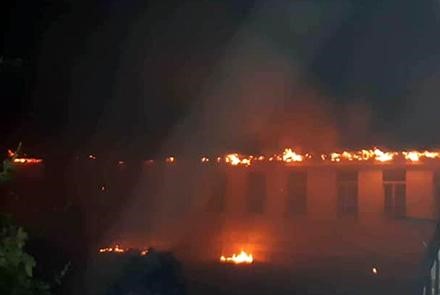
After the government collapse caused by the Mujahideen, it unfortunately occurred that teachers were killed by Mujahideen supporters in many areas. Numerous schools were also destroyed during this tumultuous period, as the war against the Khalqis and Parchamis government ignited. Sultan Ali Keshtmand, the prime minister at the time, stated that in the 1980s, approximately 2,000 schools, along with a significant number of religious schools and mosques, hundreds of medical institutions, and health clinics were set on fire due to the teaching of “communist lessons”. Additionally, several hospitals and clinics were burned due to providing treatment to those injured in the war. This setback once again hindered education and consequently impeded the country’s development.
Mujahideen Period
Following the escalation of attacks by the Mujahideen, the educational institutions under Dr. Najibullah’s government experienced a decline in their effectiveness. In areas outside of government control, schools ceased to operate. The emergence of jihadi groups in Afghanistan and their armed resistance against the communist government led to a widespread rejection of modern schools in areas controlled by the Mujahideen. Consequently, many schools were destroyed by the destructive actions of the Mujahideen. (Ekhlasi, 129)
When the Mujahideen assumed power, they neglected the development of modern schools. During this time, some foreign institutions provided support for schools in various parts of the country, primarily for boys. In schools where girls were allowed to attend, their classes were given lower priority. Different Mujahideen factions held differing opinions on modern education, with some opposing women’s education altogether. The country’s educational infrastructure was also severely damaged during the Mujahideen’s conflicts against the communist government. As the Mujahideen government was primarily engaged in civil war, it lacked both the will and the opportunity to promote modern education. According to a report from the Ministry of Education in 1374, 60 percent of schools in Kabul city and 75 percent of educational institutions and infrastructure in the provinces were destroyed as a result of the civil wars (Ahmadi Wardak, 289).
In the era of Amanullah, Nader Khan, Hashim Khan, modern education successfully overcame the challenges and opposition from certain religious leaders. However, during the Mujahideen era, it encountered new obstacles. Despite the presence of a few universities in major cities, schools were shut down in various regions of the country and no attempts were made to reopen them.
In foreign countries, particularly in Pakistan, the Mujahideen initiated educational programs for immigrants prior to assuming control of the government. Many of these programs were funded and managed by international and foreign institutions, while some were overseen by jihadi groups. Within these educational centers, the teachings and ideology of the Mujahideen were imparted. Hezb-e Islami Gulbuddin, Sayyaf Islamic Union Party, and Rabbani Jamiat-e Islami were actively involved in educational endeavors. The indoctrination of Afghan immigrants in Pakistan through education by jihadist parties contributed to the perpetuation of violence. Parties such as the Taliban sought to cultivate a militant force willing to sacrifice their lives for religious causes, utilizing religious schools, madrasas, and universities for this purpose. Consequently, the immigration education curriculum, developed by the University of Nebraska in collaboration with jihadi parties residing in Pakistan, according to Noorin Nazari, effectively manipulated students: “During the early 1980s, jihadi groups utilized textbooks as a means to indoctrinate children and recruit them for the war in Afghanistan.” (Nazari, 8 AM)

Violence has been instilled in schoolchildren from the very beginning, when they were taught the alphabet, urging them to engage in “Jihad in the way of God” with their lives and possessions. The textbooks were filled with terms like “Ghazi,” “booty,” “jihad,” “Muslim,” “faith,” “atheist,” “disbelief,” “gun,” “bullet,” and so forth. Even in math and counting lessons, they would tally the number of bullets or “killed communist soldiers.” Noorin Nazari, who examined the educational materials used by immigrants in Pakistan, concluded that the authors of these jihadi textbooks actively promote violence among children by teaching them sentences centered around keywords such as “war,” “jihad,” “ghazi,” “martyr,” and the pursuit of heavenly rewards and divine honor. (Nazari, cited in the same source)
Similarly, when the Mujahideen-led Islamic State assumed control in Kabul, they also altered the names of certain educational establishments, labeling them as “Islamic”. This mirrored the actions taken by the Taliban during their respective periods of governance. “Under the rule of the Islamic State, efforts were made to modify the curriculum of schools, madrasas, universities, and other higher education institutions, incorporating the study of Islamic culture. Additionally, the names of educational institutions were changed to honor companions, martyrs of the Civil War, and commanders.” (Ahmadi Wardak, 290) Nonetheless, a few universities were established during the Mujahideen era, including Bamyan University and Taleqan University.
In Pakistan, prior to assuming control of Kabul, certain jihadist parties also founded military schools and universities. One such military school was the “Jamiat War School.” Additionally, the Ittihad party established the “War University,” which consisted of three faculties: infantry, artillery, and engineering. Other universities were also established, such as the “Abdullah Ibn Ziyad University” by the Jamiat-e-Islami party and the “Dawat & Jihad University” by the Ittihad party. These parties also established religious schools within Pakistan.
In Pakistan, numerous schools were established to cater to immigrants, with Pakistani statistics indicating that at least 100,000 Afghan students were enrolled. Kamgar states that Pakistan’s refugee offices are responsible for educating 100,000 children at different educational levels, while Afghan organizations educate 50,000 children with the assistance of Islamic institutions. However, despite these efforts, approximately 300,000 Afghan immigrant children are still unable to access education.
Both the Pakistani government and institutionally sponsored jihadist groups were involved in educating immigrant children in Pakistan. These schools placed a significant emphasis on religious-Islamic themes. In the Sarhad province, which includes seven districts and its agencies, a total of 508 schools were present. Among these, 396 were primary schools for boys, 51 were primary schools for girls, 55 were lower secondary schools, five were secondary schools, and one was a high school. In Balochistan province, there were 133 schools, with 124 being primary schools and nine being secondary schools. Only three primary schools were established in Punjab. When the government took control, the schools established by the jihadi parties in Pakistan were handed over to the government, except for those run by Gulbuddin’s Islamic Party.
However, the situation in Iran was different. The political parties in Iran did not have educational programs. Afghan immigrant children in Iran were divided into two groups. The first group consisted of children with legal residence documents who were able to attend Iranian schools. The second group, however, had to rely on self-governing schools established by immigrant families. Unfortunately, there was a third category of children who were deprived of education altogether and were forced to work. The political parties did not provide funding for schools, and the Iranian government did not take effective measures to educate immigrant children. Although some parties, such as the Islamic Unity Party of Afghanistan, made efforts to send some immigrant students to Iranian universities, this cooperation was not sustainable. In recent years, the Iranian government has made some progress in providing facilities for education, and the United Nations has also established schools for immigrants.

Source: UNHCR
In general, the quality of education during the rule of the Mujahideen declined. According to statistics compiled by the Ministry of Education in 1375, a total of 628,000 students, including 21,200 girls, were enrolled in 577 educational institutions, taught by 17,942 teachers (Ahmadi Vardak, 291). Two factors contributed to this decline. The first factor was the civil war and its ongoing escalation. The Mujahideen’s Islamic rule was marked by conflict from its beginning to its end. The second factor was the lack of interest shown by those in power towards modern education. When they attempted to expand modern education, they implemented a curriculum similar to what had been established in Pakistan during their time in exile.
The First Emirate
The Taliban have emerged as formidable adversaries of contemporary education, particularly women’s education. Upon assuming control of the country in 1996, they dismantled the foundation of education. Due to their animosity towards modern education, the Taliban did not make any efforts to revive it. Instead, they established religious schools to train their militant forces. Women’s education and employment were strictly prohibited, subjecting women to a period of extreme oppression confined within the walls of their homes. Throughout their five-year rule, the Taliban repeatedly made promises to reopen schools once the necessary conditions were met, but they failed to fulfill these commitments. Similarly, they currently pledge to reopen schools once the appropriate conditions are in place, but their track record suggests they may not uphold this promise.
The Taliban’s opposition to modern education and women’s education can be attributed to various factors, one of which is their origins. According to Waheed Muzhdah, a prominent Afghan writer, in his work “Afghanistan during the Five Years of Taliban Rule,” the group emerged from rural areas and struggled to assimilate into urban society. This lack of integration, combined with a distrust of city dwellers, led them to attempt to transform urban areas into rural ones. Muzhdah states, “The majority of individuals who were unable to adapt to urban environments and embrace urban values sought to recreate a village-like atmosphere in the city” (Muzhdah, 1382: 109). The leaders and fighters of the Taliban are primarily illiterate villagers who find it difficult to reconcile with the advancements of the modern world.
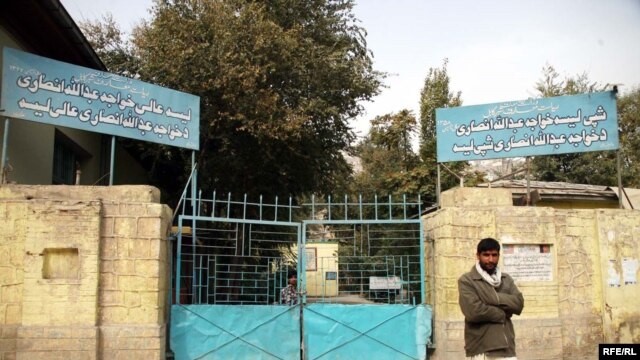
According to Khwaja Bashir Ahmad Ansari in his book “Religion of the Taliban,” those with religious literacy are also highly fearful. Ansari describes this group as completely lacking the ability to generate knowledge. He compares the Taliban to the “new Khawarij” and discusses the similarities between the two in his book. One common characteristic he identifies is their inability to produce scientific advancements. Instead, they are focused on warfare, violence, and being trapped in a rigid religious mindset. Ansari writes, “While various Muslim sects, ideological and theological schools have left us with extensive encyclopedias, they have failed to produce any meaningful intellectual contributions unlike the Khawarij. The Taliban, who lack scientific capabilities, only show interest in their weapons and war tactics, disregarding the achievements of Western civilization.” (Ansari, 2011: 44)
Another reason for the Taliban’s hostility towards women’s education is their promise to their fighters, who view women as their sexual slaves. Muzhda, who previously served in the diplomatic service of the first Taliban Emirate, explains that shortly after the Taliban took control of Kabul, their stance on women’s education and employment faced severe criticism from the international community. In a meeting with a United Nations delegation, Mullah Mohammad Ghaws, the Taliban’s foreign minister, simplified the issue by stating that the Taliban had commitments to their military personnel, one of which was to prevent women from working and studying. Ghaws explained that violating this commitment would result in soldiers leaving the front lines and returning to their villages. Therefore, the Taliban felt compelled to continue this policy as long as they faced opposition and required fighters from villages and tribes to combat them. Ghaws suggested that this policy could be changed once the war came to an end. (Muzhda, 110)
According to Muzhda, the Taliban initially stated that they were unable to provide safe education for women due to economic problems. This claim is a deceptive tactic aimed at delaying action. Similar arguments have been made by the Taliban again this time. However, now that the United Nations covers the expenses of education and healthcare, the Taliban’s opposition to women’s education continues. If there is any cost involved, it is the responsibility of every government to bear it. So far, regardless of the reasons given by the Taliban, their actions have contradicted their previous claims. In reality, they act in opposition to their own words.
This group holds a hostile stance towards modern education and women’s education, and therefore provides justifications for their beliefs. Mullah Amir Khan Muttaqi, the current Foreign Minister of the Taliban, previously served as the minister of information and culture as well as the minister of education in the initial phase of this group. He has defended his opposition to modern education and advocated for religious schools by recounting a conversation he had during a Hajj trip with an elderly Muslim leader from India. According to Mullah Amir Khan Muttaqi, this leader advised him that if the Taliban wishes to strengthen and safeguard their system, they should prioritize the study of religious sciences above all else, and consequently, increase the number of religious schools.
Making decisions about the future of a nation with a large population should not be justified by relying solely on the advice of an elderly Indian man. Such arguments are absurd, even to those who oppose modern education. The Taliban, when speaking diplomatically, try to deny their opposition to education, despite instances where they have expressed opposition to the education of girls and women in certain areas. Nader Khan also made this argument.
On this occasion, when the Taliban presented such a argument, individuals in various regions of the country responded by opposing it and affirming their support for women’s education. When the Taliban prioritize their identity as members of their group over their role as politicians, they articulate their primary positions and arguments. The fact that Mawlawi Nada Mohammad Nadim, the current Minister of Higher Education of this group, determined the criteria for the number of mines planted by a university professor candidate suggests that, at that time, this minister exhibited more characteristics of a Taliban member rather than a politician.
In relation to the opposition of this group towards women’s education, once these arguments were brought to light, Muzhda stated that the Taliban’s stance on being hostile towards women’s education and employment was condemned by the global community initially. Mohammad Abbas Stanekzai, the Deputy Foreign Minister of this group, was compelled to address the concerns and inquiries of the international community. He attempted to portray this group as not being an adversary of education, but his statements were censored by the Bakhtar News Agency. Muzhda further elaborates on this matter.
When I, as the head of the Department of Information and Publications at the Ministry of Foreign Affairs, contacted Bakhtar Agency, the deputy of Bakhtar Agency responded that the decision to not make promises about women’s work and education came from Kandahar. He expressed the belief that this decision aligns with the principles that Tehreek accepted when it was first established, and it cannot be changed. Kandahar is the political capital of the Taliban during the first and second emirates. The main reason for the Taliban’s opposition to women’s education and work may be the deputy’s opinion that deviating from this principle is impossible. Other statements made in the media and diplomatic circles are seen as political maneuvers.
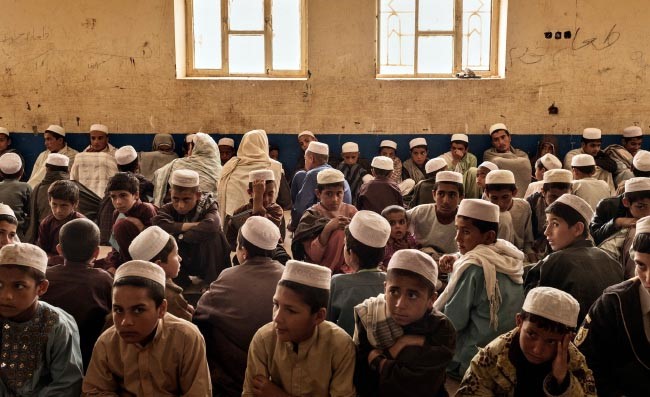
The Taliban also made changes to male education, which was only partially active. They renamed the school as “Madrasa,” the students as “Talib-ul-Ilm,” and the teachers as “Mudarris.” According to Ahmadi Wardak, during the initial phase, armed Taliban members entered educational institutions and physically assaulted and humiliated teachers and students in front of each other. They even went as far as cutting the hair of teachers and students. This was done by Taliban agents who claimed to be promoting virtue and preventing vice in various parts of the country during both periods. Additionally, Ahmadi Wardak states that the Taliban enforced the wearing of turbans for students above the third grade, while teachers and students of all ages were required to grow long beards.