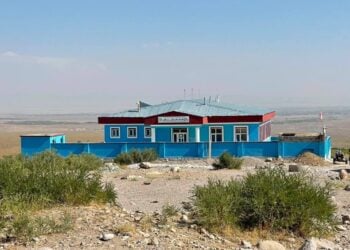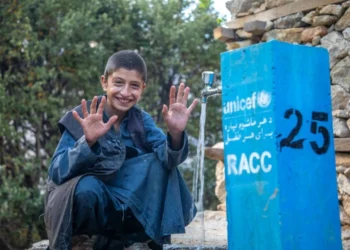

The World Health Organization (WHO) has stated that improving the quality of and access to healthcare services in Afghanistan cannot be achieved solely through the construction of hospitals and health centres, but also requires investment in education, nutrition, safe drinking water, and social support.
Edwin Ceniza Salvador, the World Health Organization’s representative in Afghanistan, made these remarks on Tuesday, August 4, during a ceremony to unveil the five-year health sector strategy of the Taliban regime.
He said that the shortage of female health workers, the decline in international aid, and the Taliban’s restrictions on the education of women and girls are among the most significant challenges facing Afghanistan’s healthcare system.
The World Health Organization representative stressed that implementing this strategy requires close cooperation among health institutions, local communities, and international donors, along with the provision of sustainable financial resources.
The World Health Organization had previously warned that following the reduction in international aid, more than 400 health centres in Afghanistan were closed in 2025, a situation that has seriously disrupted access to healthcare services for millions of people.