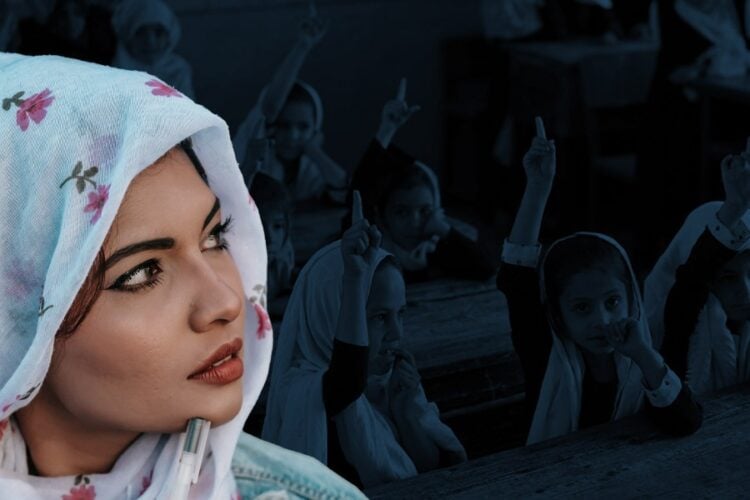
Six years ago, Humaira and I would talk during recess at school about our goals and dreams. Humaira would say, “Diana, you know what? My father died a long time ago, when I was younger. He was the only breadwinner and caring supporter of our family. Since then, my mother has always been ill. Although my sisters and I eagerly care for her, she still curses us and says, ‘I wish I had never given birth to you girls,’ because she feels that her daughters are nothing but an additional burden. Whenever a suitor comes to our home, my mother pressures my sisters and me to accept the marriage proposal. But I do not want to get married. I want to finish school, study the field I love, go to university without any obstacles, and grow.”
Her beautiful goal had taken shape amid economic hardship. She wanted to become the provider and source of support for herself, her sisters and her mother.
I took a deep breath and said, “Yes. You, me and other girls will find jobs after finishing school and going to university. We will become independent women who can support our families.”
When I looked at Humaira, I was surprised that a girl who appeared so happy and calm carried such ambitious dreams and goals in her mind. After hearing her story, I realized that my other classmates, like Humaira, also had stories to tell.
I also shared my own story, which was different: “I come to school and study with the support of my family. My mother is illiterate because the traditions and customs of our village did not allow her to attend school. Other girls in the village also had no access to education. But the boys attended school and studied religious subjects as well. Fortunately, my father learned the Quran from the village’s religious scholar. But for girls, being educated and learning the Quran was considered shameful.
“My mother and father married and had two children, my brother Rahmat and me. My parents decided to move from the village to Kabul to build a better future for their children because they had heard that girls had educational opportunities in Kabul. They hoped that their daughter, Diana, would go to school and university and would not be denied educational opportunities like her mother.
“I, Diana, am the first girl in my family to attend school. By sending me to school, my parents broke a family tradition. They went against the customs of their community and relatives and stood up to the old traditions of their village for my future, hoping that I would grow into an educated and independent woman.”
In response to my story, Humaira said, “We have similar goals, but our life stories are different.”
During recess, Humaira and I would talk about our dreams. I would tell her, “Close your eyes and imagine the future you are going to build for yourself. Picture a dream in which, after overcoming hundreds of obstacles and hardships, you have finally become a capable woman, a source of strength for your mother, and a role model and supporter for your sisters. Humaira will no longer be forced into marriage because of what people say. She will live her life according to her own choices.”
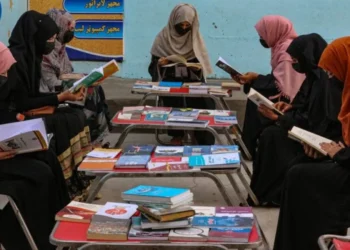
With our eyes closed, we imagined the future through these dreams. But that dream became unattainable for both Humaira and me. The doors to schools and universities were closed, and we would not be able to graduate from university. We were not alone. Millions of girls across the country had also tied their dreams to going to school and university.
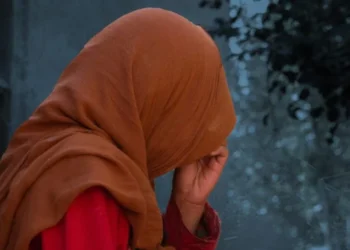
After the school gates were closed, I never saw Humaira again. Over the next five years, I occasionally ran into my former classmates, most of whom had married and had children before turning 18. My classmate Amina married at 16 and had a son a year later. Sakina and many of my other classmates were also married at a young age, forced by their families to protect the family’s honor.
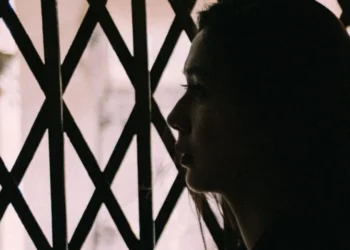
Hope and motivation faded among the girls in that classroom. A few did not give up on their education and dreams, but for the others, the windows of hope remained closed, just like the school gates, leaving them without hope for the future.