Brain drain is a multifaceted and complex phenomenon that has become a serious challenge in many countries, particularly Afghanistan. The term refers to the emigration of intellectual elites, specialists, and graduates who, in essence, relocate from their home country to other nations. While brain drain in Afghanistan has existed for decades due to war and insecurity, the situation has significantly worsened since the withdrawal of U.S. forces, the Taliban’s return to power, and the subsequent intensification of political, social, and economic crises. According to official reports from the United Nations High Commissioner for Refugees (UNHCR), over 6.4 million Afghans have fled the country in search of better living conditions since the Taliban takeover in 2021, given the demographic composition of Afghanistan, where a large portion of the population comprises, youth including skilled and professional individuals the brain drain phenomenon cannot merely be viewed as routine migration for better job opportunities. Rather, it has accelerated dramatically due to severe restrictions on access to academic resources, an unbearable political and social environment, and the unjust policies imposed by the Taliban. Afghanistan, already grappling with longstanding economic and social crises, now faces new challenges under Taliban rule. The brain drain phenomenon is not solely the result of individual or personal decisions by the country’s elites but is profoundly influenced by structural crises, flawed domestic policies, and the oppressive Taliban regime. This article delves into some of the major contributing factors to this pressing issue.
The Taliban’s Hostility Towards Education and Development
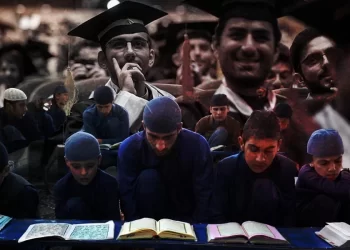
The Taliban regime, with its repressive and restrictive policies across various social, cultural, and educational domains, represents one of the most significant obstacles to Afghanistan’s development. One of the most glaring examples of this regime’s approach is its anti-education policies and suppression of intellectual freedoms. Following the Taliban’s return to power in 2021, girls’ schools were closed, depriving millions of students and scholars of access to education. These actions not only violate the fundamental rights of the citizens of Afghanistan but also severely limit the country’s scientific and research development.
Under such circumstances, skilled and trained professionals educated at great economic costs lose interest in continuing their work in Afghanistan. They leave the country for a variety of reasons, including insecurity, educational restrictions, and a lack of suitable employment opportunities. The Taliban’s policies not only deprive Afghan elites of opportunities for growth and progress but also prevent these individuals from contributing to the country’s developmental processes.
Key Reasons for the Brain Drain During the Taliban Era
A) Insecurity and Political Instability
One of the most critical reasons for the migration of Afghan elites is the rising insecurity and political instability under the Taliban’s rule. According to theories of human security, the absence of physical and psychological security can lead to the flight of skilled professionals. Widespread violence, including targeted killings, political repression, and human rights violations such as forced marriages and arbitrary detentions, has made living conditions unbearable for professionals and researchers. Studies indicate that in societies where systematic violence and political instability prevail, brain drain increases as a natural reaction to security threats. Reports by international organizations, such as Amnesty International and the United Nations Human Rights Commission, have highlighted numerous cases of the killing of journalists, university professors, and civil society activists, which have triggered a mass exodus of these groups. For instance, in recent years, many academics and doctors have fled Afghanistan out of fear for their lives because the Taliban government has been either unwilling or unable to ensure their security.
B) Educational and Cultural Restrictions
By restricting access to education and suppressing cultural freedoms, the Taliban have effectively created conditions that encourage the migration of the country’s intellectuals. Amartya Sen’s human development theory emphasizes that education and cultural freedoms are key factors in sustainable development and the retention of a country’s human capital. The Taliban’s ban on girls’ education and severe restrictions on women’s participation in society have obstructed educational and scientific growth, pushing many educated individuals to leave the country. The increased migration of Afghan elites to other countries has resulted in a significant loss of human capital. These intellectuals, who could have played a vital role in educating and training new generations, are now seeking better opportunities abroad. This exodus has also created an educational void for the younger generation, which will have long-term, irreparable consequences for Afghanistan’s scientific and academic community.
C) Unstable Economy and Lack of Job Opportunities
Afghanistan’s economy under Taliban rule is facing a severe crisis. According to economic migration theories, educated individuals and professionals tend to migrate to regions that offer better job opportunities and a higher quality of life. The unemployment crisis, the decline in GDP, and the collapse of both domestic and foreign investments are key factors driving Afghan elites to leave the country. A World Bank report indicates that unemployment rates in Afghanistan have increased dramatically, and many developmental projects have been halted due to the withdrawal of foreign forces and the collapse of investments.
Under these circumstances, specialists in fields such as engineering, medicine, and technology have migrated to other countries in search of better living conditions and professional opportunities.
D) Climate Change and Environmental Crisis
Climate change is another key factor contributing to the migration of Afghan elites. Environmental migration theories suggest that ecological crises, such as water shortages, air pollution, and natural disasters, place immense pressure on citizens, particularly the educated class. Due to its geographical location and lack of adequate infrastructure to combat climate change, Afghanistan is among the most vulnerable countries in the world. According to the United Nations High Commissioner for Refugees (UNHCR), more than 6.6 million people in Afghanistan were displaced by environmental crises as of 2024. Experts in water management and environmental science, who could play a crucial role in addressing these challenges, have left the country due to a lack of resources and the Taliban regime’s neglect of such issues.
Consequences of Brain Drain for Afghanistan
One of the primary consequences of brain drain is the significant reduction in the capacity of the skilled workforce. Human capital, which includes the knowledge and specialized skills of individuals in various fields, is vital for a country’s growth and development. In Afghanistan, the widespread migration of professionals and elites, especially in the education, healthcare, and technology sectors, has created substantial gaps in the skilled labor force. For instance, the mass exodus of doctors and medical specialists has reduced access to healthcare services in many regions, seriously affecting the public’s health. Similarly, the migration of university professors and experienced teachers has weakened the educational system, hindering the transfer of knowledge to future generations. This shortage of skilled professionals directly impacts the quality of public services and hampers the country’s economic development.
From an economic perspective, brain drain reduces productivity and gross domestic product (GDP) growth. By leaving the country, scientific and professional elites deplete the human resources needed for progress in productive and service-oriented sectors. This issue leads to inefficiencies in key economic areas, making Afghanistan increasingly dependent on foreign aid. Furthermore, the lack of trust among domestic and foreign investors, driven by political instability and the widespread migration of elites, has significantly reduced investments in infrastructure and production sectors. In addition, the financial and temporal costs of training replacement personnel impose additional pressure on the country’s fragile economy.
The consequences of brain drain are not limited to the economic sphere; they also profoundly impact social and cultural structures. The widespread migration of elites has weakened the country’s social and cultural identity. These individuals, who often served as social and cultural role models for younger generations, have left the country, depriving society of their influential roles. This situation has diminished young people’s motivation to pursue education and progress within Afghanistan, creating deep gaps in the transfer of knowledge and experience across generations. Furthermore, the loss of cultural and artistic elites equates to the erosion of parts of the nation’s cultural and national identity, which, in the long term, will negatively affect social cohesion and national morale.
From a political perspective, brain drain has undermined Afghanistan’s governance and administrative capacity. Political and administrative elites who could have contributed to planning and implementing developmental and reform policies now live abroad. This has resulted in declining governance quality, weakening of state institutions, and inefficiency in delivering public services. Additionally, the migration of elites serves as an indicator of political instability and the absence of suitable opportunities within the country. This exacerbates social and political crises, creating an unsustainable cycle of further migration and reduced internal capacity.
Brain drain also has consequences beyond Afghanistan’s borders, affecting the country’s regional and international relations. The mass departure of skilled professionals has reduced Afghanistan’s ability to participate in regional scientific and economic collaborations, depriving the nation of access to global scientific and technological capacities. On an international level, the migration of Afghan elites to host countries places additional strain on their educational systems, healthcare infrastructure, and labor markets.
Conclusion
In summary, Afghanistan’s brain drain has multifaceted and long-term consequences that not only stall the country’s economic and social development but also erode its cultural, political, and identity foundations. Without effective policies to retain and encourage the return of skilled professionals, Afghanistan’s future will face complex and irreparable crises.
To manage human resources, prevent brain drain, and facilitate the return of elites to Afghanistan, it is imperative to change the current situation and establish the foundations of citizenship rights and social justice. The first step in this direction is the creation of an inclusive national government that ensures the physical and psychological security of citizens and political stability in the country. Additionally, improving educational and research conditions, as well as expanding employment opportunities domestically, can prevent mass migration. Supporting intellectual, scientific, and cultural freedoms, and creating equal opportunities for women and girls in education, will be particularly effective in stabilizing, preserving, and fostering talent within the country.
References
- UNHCR Annual Report on Afghanistan.
- World Bank, Afghanistan Economic Update 2024.
- Human Rights Watch Reports on Human Rights Violations under Taliban Rule in Afghanistan.
- International Organization for Migration (IOM). World Migration Report 2024.
- United Nations Office for the Coordination of Humanitarian Affairs (UN OCHA) Report.
- Sen, A. Development as Freedom. Oxford University Press, 1999.
You can read the Persian version of this article here: