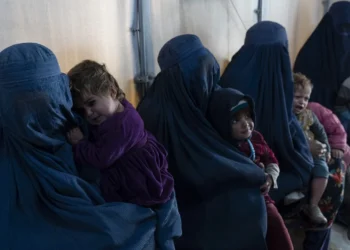

Health sources in Kabul say that the Taliban have made working conditions and patient care increasingly difficult in hospitals, with no regard for patients’ conditions or the available medical resources. According to sources, male and female patients cannot be admitted to the same ward, and female nurses and doctors cannot treat male patients in wards that are not designated for women, even in life-threatening situations. Similarly, male doctors cannot treat women who are in critical, life-or-death conditions in those same wards. At the same time, some patients and their families have described the conditions in public hospitals as deplorable, saying that not only are patients not being properly cared for, but the hospitals themselves are also neglected in terms of maintenance. The filth and foul odors in health facilities, which should provide comfort and well-being for patients, have turned these centers into repulsive places.
Sources say that the Taliban have further tightened the working environment for doctors and other healthcare workers by continuing sweeping bans on the healthcare system and imposing various pressures. According to sources, under Taliban orders, male and female patients cannot be admitted to the same hospital ward, and male and female doctors cannot oversee or assess each other’s wards.
Mursal (pseudonym), a physician at one of Kabul’s private hospitals, says that due to the Taliban’s restrictions, male and female patients can no longer be admitted to the same ward. She explains that in medicine, each part of the body is typically treated in a specific ward of the hospital, where patients are admitted and treated because the relevant medical equipment and facilities are located there.
The physician says, “For example, previously, male and female cardiac patients were admitted to the same ward, and both male and female staff in that ward would attend to their conditions. Now, patients are not allowed to be admitted to the same ward, nor can male and female doctors treat patients of the opposite sex, even if the patient is dying.”
Another doctor, who wishes to remain anonymous, says that the continued pressures have made it extremely difficult for physicians and medical practitioners to do their jobs, and every moment is filled with anxiety and stress. They fear that a member of the Taliban’s Ministry for the Propagation of Virtue and Prevention of Vice might show up and, citing a failure to uphold “Islamic values,” create a conflict that results in serious consequences for the doctor or nurse.
This doctor adds: “Now, not only are you unable to get the information you need about a patient’s condition, but you also cannot work calmly and without anxiety, see the patient, understand their condition, and focus on their treatment. This situation is truly alarming, and medicine simply cannot function under such circumstances. When you go to see a patient, you are afraid of running into a male colleague, because everyone fears the Taliban, and medicine cannot be practiced in fear.”
At the same time, several patients and their family members have expressed concern over the lack of timely and adequate healthcare services in public hospitals, as well as the exorbitant costs of private hospitals, which they say do not reflect the quality of services provided.
Sotuda (pseudonym), a resident of Kabul, says: “My mother had a stomachache, so we took her to a clinic. They first conduct numerous tests, which take the entire day to complete. Each test is expensive, and the doctor also says the medication must be purchased from their own pharmacy, even though it is cheaper elsewhere. The treatment process has turned into a business, with no compassion or kindness left. How can someone with no income, or very little income, pay four thousand Afghanis in a single day to treat a stomachache?”
The Kabul resident adds, “My grandmother has cancer and periodically needs blood transfusions. In public hospitals, unless you know someone, no one pays attention to you, even if you are dying. When you are referred by another doctor or someone well-known in the hospital, you still have to pay an additional 500 Afghanis for the doctor to accept the patient in the emergency ward. On top of that, nurses and doctors show no regard for the emotional state of patients and their companions, and they laugh, which only adds to the patients’ suffering.”
Sotuda says: “The state of the healthcare system is very poor. The hospitals are so filthy that they are hard to look at. Medical waste is scattered around the hospital trash bins, and cleanliness is not maintained. Overall, the situation is painful and beyond description.”
This comes as, just a few days ago, the Taliban shut down part of the healthcare services at a maternity hospital in Herat, citing the distribution of contraceptives and condoms. Sources had reported that Taliban Morality Police from the Ministry for the Propagation of Virtue and Prevention of Vice entered the maternity ward of the Herat hospital and closed the maternal and child health support services section. Eyewitnesses also told the Hasht-e Subh Daily that several female doctors, despite wearing the hijab, were pressured for not wearing the type of veil or burqa demanded by the Taliban.
Sources have emphasized that the Taliban Morality Police also entered examination rooms and questioned female patients about whether they were accompanied by a male guardian, their pregnancy status, and the reason for their visit. Some patients were also forced to wear a veil.
Meanwhile, Richard Bennett, the United Nations Special Rapporteur on Human Rights in Afghanistan, said on the occasion of World Health Day that women and girls in the country continue to face serious barriers to accessing healthcare services. He stressed that the Taliban’s restrictions on women have weakened Afghanistan’s healthcare system. According to Bennett, the restrictions imposed on the freedom of movement, education, and the work of female health workers are leading to preventable suffering and deaths.
The UN Special Rapporteur on Human Rights had previously warned in a report that the Taliban’s restrictive policies are systematically violating the fundamental rights of women. He said that without immediate action from the international community, millions of citizens of Afghanistan, particularly women and girls, will be deprived of essential healthcare.
In addition, the International Organization for Migration (IOM) has announced that approximately 14 million people in Afghanistan need assistance in accessing healthcare services. On Tuesday, April 7, on the occasion of World Health Day, the organization stressed that medical services are a vital necessity, not a privilege.
You can read the Persian version of this report here:
وضعیت هشداردهنده نظام صحی افغانستان؛ بیماران و پزشکان زیر فشار محدودیتهای طالبان