• 8AM.MEDIA
  • ویب‌سایت فارسی
  • پښتو ویب‌پاڼه
  • اۉزبېکچه ویب‌سایت
  • Podcast
Monday, October 12, 2026
Hasht-e Subh
  • Home
  • News
    • Afghanistan News
    • World News
  • Opinion
    • Editorial
    • Analysis
  • Reports
    • Daily Reports
    • Investigative Reports
  • Society
    • The story of people
  • Women’s Word
  • Columns
    • Three Years After Afghanistan’s Fall: The Taliban’s Resurgence
    • Towards Equality
    • The Resurgence of the Taliban: Two Years Since Afghanistan’s Fall
    • Hebatullah Report Special Edition
    • Resistance for Education Special Edition
    • Special Column on Taliban’s Education Curriculum
    • Nawroz
  • Interviews
  • Contact Us
    • About Us
    • 8AM MEDIA Annual Awards
    • Submit an Article to Hasht-e-Subh
  • 8am.mediaBack
Subscribe
No Result
View All Result
  • Home
  • News
    • Afghanistan News
    • World News
  • Opinion
    • Editorial
    • Analysis
  • Reports
    • Daily Reports
    • Investigative Reports
  • Society
    • The story of people
  • Women’s Word
  • Columns
    • Three Years After Afghanistan’s Fall: The Taliban’s Resurgence
    • Towards Equality
    • The Resurgence of the Taliban: Two Years Since Afghanistan’s Fall
    • Hebatullah Report Special Edition
    • Resistance for Education Special Edition
    • Special Column on Taliban’s Education Curriculum
    • Nawroz
  • Interviews
  • Contact Us
    • About Us
    • 8AM MEDIA Annual Awards
    • Submit an Article to Hasht-e-Subh
  • 8am.mediaBack
No Result
View All Result
Hasht-e Subh
No Result
View All Result

Are the Taliban Helping Pakistan Suppress the TTP in Exchange for Blocking an Opposition Meeting?

Kazim Homayoun Kazim Homayoun
27 August 2025 - Solar Hijri Date: 1404/06/05 [t_time:1756298541]
Armed militants patrol a rugged border region, highlighting ongoing tensions. (Photo Credit: MNNONLINE)

MNNONLINE

Introduction
Relations between Afghanistan’s Taliban and Pakistan, once described as those of “longstanding friends,” have entered a turbulent phase since the Taliban’s return to power in Kabul in August 2021. Pakistan, once a key sponsor of the Taliban, now faces a growing threat from Tehrik-e-Taliban Pakistan (TTP). This militant group uses Afghan soil to stage deadly attacks on Pakistani security forces. Despite diplomatic efforts from repeated visits by Pakistani officials to Kabul to Islamabad’s formal complaints at the United Nations, no progress has been made in curbing the TTP. Yet in August 2025, a sudden spike in TTP casualties coincided with the postponement of an anti-Taliban opposition gathering in Islamabad, raising a pressing question: Has a covert arrangement emerged between the Afghan Taliban and Pakistan’s Inter-Services Intelligence (ISI)?

Failed Negotiations and Pakistan’s Shift in Strategy

Since the Taliban’s takeover, Islamabad has repeatedly claimed that TTP leaders and fighters enjoy safe havens in Afghanistan’s border provinces such as Paktika and Nangarhar. United Nations reports have also pointed to direct Taliban and al-Qaeda involvement in training and supporting TTP militants. In early 2025, Pakistan once again urged the Taliban to rein in the TTP, but received no clear response. As a result, Islamabad shifted its strategy, turning to Afghan political opposition figures as leverage against the Taliban.

In early August 2025, the Islamabad-based think tank SASSI announced a conference titled “The Future of Afghanistan: Peace, Stability, and Development.” Figures such as Fawzia Koofi, Nasir Andisha, Mustafa Mastoor, and Habiburrahman Hekmatyar were invited. Although presented as a civil society initiative, in Pakistan, such an event could not have been organized without ISI coordination.

Taliban Reaction and Postponement of the Meeting

The Taliban reacted swiftly. Amir Khan Muttaqi, the Taliban’s acting foreign minister, urged Pakistan’s foreign minister, Ishaq Dar, during a trilateral meeting in Kabul to prevent “anti-Taliban figures” from gathering in Islamabad. The Pakistani daily The Nation reported that the conference, scheduled for August 25–26, had been postponed due to Taliban pressure. Media outlets such as Afghanistan International and Exile TV attributed the delay to “visa complications,” but acknowledged these issues stemmed directly from Taliban diplomatic pressure.

Zalmay Khalilzad, the former U.S. special envoy for Afghan peace, even accused Pakistan of supporting Taliban opponents.

The overlap between the postponement of the conference and Pakistan’s intensified counterterrorism campaign against the TTP has reinforced speculation of a secret bargain between the Taliban and Islamabad.

Rising TTP Casualties in August 2025

For the TTP, August 2025 proved to be a bloody month:

  • On August 8, Pakistani forces killed 33 TTP fighters near the Afghan border.
  • On August 21, Pakistani security forces demolished a mosque in Bajaur being used as a TTP shelter, killing at least 30 militants.

The precision of these operations suggests Pakistan had access to new intelligence data that was likely provided by the Afghan Taliban to the ISI.

Potential Consequences of a Secret Deal

If such a deal does in fact exist, its consequences could be far-reaching:

  • Rifts between the Taliban and TTP: Any cooperation by the Afghan Taliban with Pakistan against the TTP could trigger divisions and even armed clashes between the two groups.
  • Pakistan’s leverage card: Islamabad would hold the ability to weaken the Taliban at any time by publicly exposing the agreement.
  • Further isolation of the Taliban in the region: India recently withdrew its request for a travel exemption for Amir Khan Muttaqi to visit New Delhi. Diplomats cited the Taliban’s growing closeness to Pakistan as the reason for the reversal.

Conclusion

The developments of August 2025 suggest that the Afghan Taliban and Pakistan may indeed have struck a covert bargain one in which the Taliban agreed to block a planned gathering of their political opponents in Islamabad in exchange for providing Pakistan’s ISI with intelligence on TTP sanctuaries. In the short term, this strategy benefits the Taliban by preventing their opponents from gaining legitimacy in a regional capital. But in the long term, the risks are profound: by turning against their longtime ideological allies in the TTP, the Taliban erode part of their traditional support base while deepening their dependency on Pakistan.

In the author’s view, the only path to ending this cycle of tactical bargains and reciprocal violence lies in meaningful international engagement through coordinated pressure on both sides to address the root causes of their border disputes and terrorist networks. Without such intervention, these kinds of arrangements will remain a “smoldering fire beneath the ashes,” pushing the region toward greater instability.


You can read the Persian version of this analysis here:

آیا طالبان در ازای جلوگیری از نشست مخالفان، به پاکستان در سرکوب تی‌تی‌پی کمک می‌کنند؟

ShareTweetSendSendShare

Related Posts

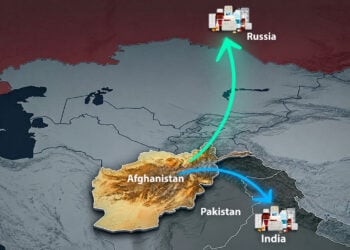
A map shows Afghanistan’s medicine supply routes shifting from Pakistan toward India and Russia. (Photo credit: Magnific)
Analysis

Medicine and Diplomacy: Afghanistan Turns from Pakistan to India and Russia

11 October 2026 [t_time:1791744655]
Haroon, the son of former jihadist commander Abdulkhaliq Khan Chakar, was reportedly arrested by Taliban intelligence in Badghis Province. (Photo credit: Exclusive)
Afghanistan News

Taliban Arrest Son of Jihadist Commander in Badghis Province

11 October 2026 [t_time:1791738952]
Shahabuddin Delawar, head of the Taliban’s Red Crescent Authority, sits in a chair beside a Taliban flag. (Photo credit: Social Media)
Afghanistan News

Sources: Taliban Evict Nangarhar Residents to Accommodate Shahabuddin Delawar’s Associates

11 October 2026 [t_time:1791721847]

Latest

Loading latest news...

Popular stories

  • An Afghan woman gazes out of her home, reflecting the isolation and challenges faced by women in Afghanistan under Taliban rule. (Photo Credit: 8am.media)

    UN Report Reveals Shifts in Family Attitudes and Rise in Domestic Violence in Afghanistan

    Share
    Share Tweet
  • Pakistan and the Yemen War: Balancing Between Riyadh and Tehran

    Share
    Share Tweet
  • Al-Qaeda Releases Hamza bin Laden Message on 9/11 Anniversary

    Share
    Share Tweet
  • The Politics We Inherited: Rethinking Afghanistan’s Political Culture

    Share
    Share Tweet
  • United Front Claims to Have Killed Taliban Intelligence Member

    Share
    Share Tweet

Podcast

Insights
Insights

Join Lynne O’Donnell for 8AM’s podcast series, Insights.
Lynne talks with generals, diplomats, soldiers, journalists, politicians, activists, people who have front row seats for conflicts around the world, and citizens with a story to tell, happy or sad. For this first series, Afghanistan is the focus. Lynne and her guests talk about the collapse of the republic in August, 2021, and the impact since — for the people of Afghanistan, for the security of the region, for the safety of the world. It’s important, interesting and insightful.

Insights/22: Controlling the Narrative with Mina Sharif
byinsights8am

Controlling the Narrative

Lynne O’Donnell talks with Mina Sharif, author, activist, women’s rights campaigner, educator and mentor. They discuss who controls the narrative and who speaks for Afghanistan’s people when the Taliban appear to have seized control not only of the country but of the message, too.

Have a listen

Insights/22: Controlling the Narrative with Mina Sharif
Episode play icon
Insights/22: Controlling the Narrative with Mina Sharif
Episode Description
Episode play icon
Insights/21: Media Meltdown with Zahra Joya
Episode Description
Episode play icon
Insights/20: Terror Inc with Scott Richards
Episode Description
Episode play icon
Insights/19: Busting Stereotypes with Bushra Gohar
Episode Description
Episode play icon
Insights/18: Media Matters with Waliullah Rahmani
Episode Description
Episode play icon
Insights/17: What Goes Around Comes Around with Sima Samar
Episode Description
Search Results placeholder
Hasht-e Subh

8AM Media, also known as Hasht-e-Subh Daily, stands as Afghanistan's premier independent and non-profit newspaper, resonating as a beacon of journalistic integrity since its establishment in June 2007 by esteemed Afghan journalists and human rights advocates. With a steadfast commitment to citizen journalism and civic education, Hasht-e-Subh Daily has earned its place as the most esteemed publication in the nation.

Publisher: Sanjar Sohail
Email: [email protected]
Executive Director: Parwiz Kawa
Email: [email protected]

Read More

Medicine and Diplomacy: Afghanistan Turns from Pakistan to India and Russia

UN: More Than 833 Schools and Health Centres in Afghanistan Equipped with Solar Power

Rising Insecurity: Young Man Killed in Nangarhar Province

Taliban Arrest Son of Jihadist Commander in Badghis Province

Muttaqi Meets OIC Deputy Secretary-General

Editor’s Choice

Every Saturday morning, 8AM MEDIA English Services Department will guide you through the week’s biggest stories from Afghanistan and the international community.

Subscribe

© 2026 - ©Hasht-e Subh Daily

No Result
View All Result
8am.Media
پښتو ویب‌پاڼه
ویب‌سایت فارسی
اۉزبېکچه ویب‌سایت
  • Home
  • News
    • Afghanistan News
    • World News
  • Opinion
    • Editorial
    • Analysis
  • Reports
    • Daily Reports
    • Investigative Reports
  • Society
    • The story of people
  • Women’s Word
  • Columns
    • Three Years After Afghanistan’s Fall: The Taliban’s Resurgence
    • Towards Equality
    • The Resurgence of the Taliban: Two Years Since Afghanistan’s Fall
    • Hebatullah Report Special Edition
    • Resistance for Education Special Edition
    • Special Column on Taliban’s Education Curriculum
    • Nawroz
  • Interviews
  • Contact Us
    • About Us
    • 8AM MEDIA Annual Awards
    • Submit an Article to Hasht-e-Subh
  • 8am.media

© 2026 - ©Hasht-e Subh Daily