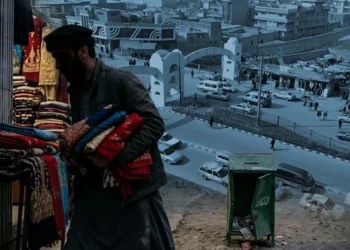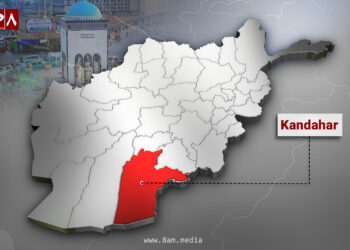
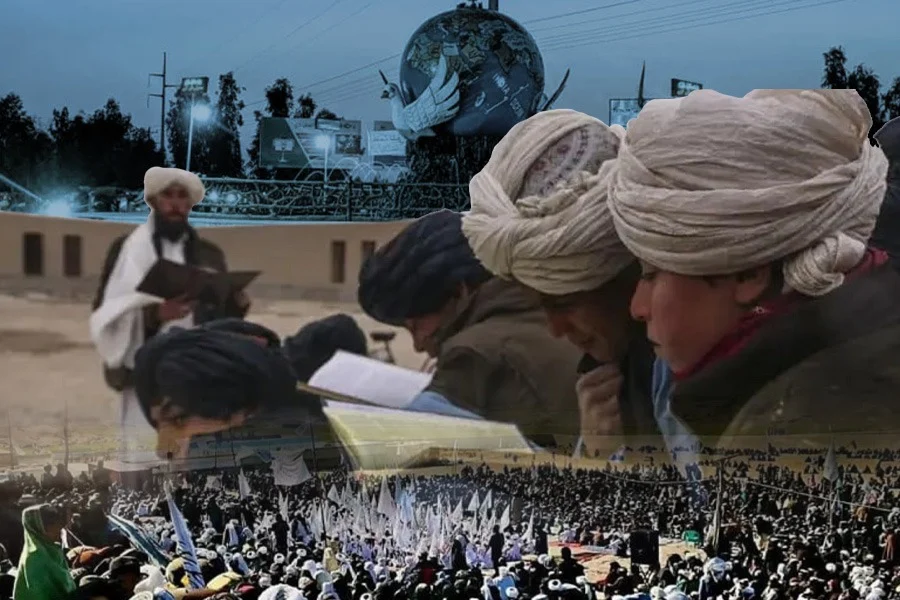
Residents of several areas in Helmand province say that five years into Taliban rule, and despite millions of Afghanis being allocated to madrasas, madrasa students continue to collect bread from the public. They stress that, at a time when people are facing poverty, unemployment, and hunger, this practice has placed a heavy burden on poor and low-income families. These residents say the Taliban previously collected bread from people’s households under the name “Khayra” and then distributed it among their fighters. The Helmand residents add that, besides collecting bread, madrasa students spread cloths beside the roads and collect cash from the public.
Sharifullah, a resident of Sangin district in Helmand province, told the Hasht-e Subh Daily that students from two official madrasas come to their village every day and ask people for bread. He added that the commander of a Taliban checkpoint informed all families through the village mosque that they must give bread and similar assistance to the students of the madrasas that visit the area. According to him, the students collecting bread in this area have close ties with the Taliban stationed at the village security post and force people to give them bread and other food items.
This Helmand resident says: “Madrasa students come to our village and ask for bread. Those who do not give them bread are humiliated by the Taliban stationed at the area’s security post. They are told that you do not cooperate with the Taliban and do not want the Taliban to progress.”
Delagha, a resident of Nad Ali district in Helmand province, says that students of one of the Taliban’s madrasas in their area have gone to people’s homes over the past three years and asked them for bread. According to him, these students ask people to help the madrasa by providing bread and other required food items.
This Nad Ali resident adds that the students are asking people for bread at a time when, since the Taliban took power, the economic situation of the residents of this area has deteriorated sharply, and many families cannot even feed their own members. He asks the Taliban not to send the students of their official madrasas to people’s homes to collect bread.
Delagha says: “The students of this madrasa have been collecting bread from the people of our village for years. Now the economic situation of the people has also become very bad, and people cannot afford to give these individuals bread, but we are forced to. If we do not give bread, the next day the Mawlawi Sahib, instead of offering advice in the mosque, speaks about our negative points to the people.”
Meanwhile, this report also includes interviews with a number of religious madrasa students in Helmand who collect bread. They say they go to rural areas on the orders of madrasa officials and collect bread from people’s homes.
One of the students at a madrasa in the Nawabad area of Lashkar Gah city, who did not want his name published in the report due to security concerns, says that 500 students live at their madrasa. According to him, 370 of these students sleep at their own homes at night, while the rest stay at the madrasa itself.
He adds that every day six groups of students from this madrasa go to rural areas to collect bread and bring about 300 loaves to the madrasa. According to him, of the collected bread, about 100 loaves are left over, which the madrasa head takes to his own home.
This student says that sometimes the amount of collected bread exceeds the madrasa’s needs. In such cases, the madrasa head dries the bread in the sun and then sells it in the city as dry bread.
Collecting money from people on the roads
In addition to the areas mentioned, religious madrasa students across Helmand province, from the provincial center to the districts, ask people for help to meet their needs.
Mohammad Shafiq Helmandi, a resident of Lashkar Gah city, says that these students not only collect bread from people’s homes in rural areas in the name of charity, but also set up chains in cities and on public roads and ask people for money. He says that to collect money, these students often set up chains near the security posts and checkpoints of armed Taliban and receive money from people.
According to him, madrasa students in other provinces of the southern region also do the same and cover the costs of their activities by relying on the public.
Mr. Helmandi says: “They go to people’s homes and ask for dry bread, and they also set up chains on public roads and ask people for money. They tell everyone that we are religious madrasa students, so help us with cash. Some people give money, and others offer no help at all.”
This comes as Taliban fighters received assistance from people in various parts of Afghanistan during the past twenty years, and since taking control of the country, they have repeatedly mentioned this support. In this regard, they have also sung a propaganda anthem, a part of which says: “The people halved a morsel of their bread with us, and we defeated the world.”
Nevertheless, people say that the Taliban used to take their bread by force in the past, and that after taking control of Afghanistan, they have turned the country into a large prison for its citizens.
You can read the Persian version of this report here:
نان «خیر»؛ بار سنگین مدرسههای دینی بر دوش خانوادهها در هلمند