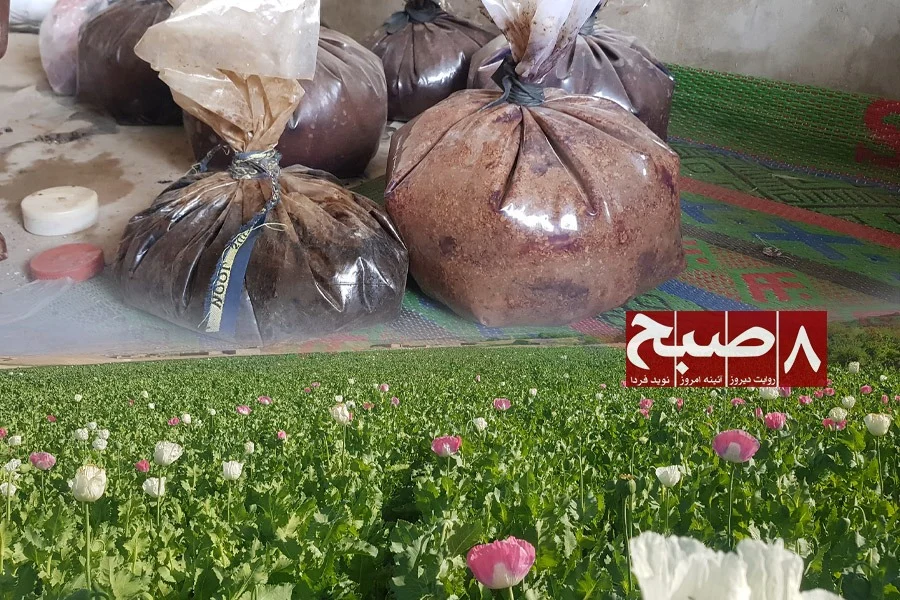
Field findings by the Hasht-e Subh Daily show that since the Taliban announced a ban on the cultivation and trade of narcotics, the price of one kilogram of opium in Helmand province has risen from 3,000 Afghanis to 50,000 Afghanis. The Sharafat, Sarban Kala, Sangin, Musa Qala, Bahramcha and Chanjir bazaars are among the main centers for buying and selling opium in the province. Several local sources confirm that Taliban commanders and officials have also invested in these bazaars, are partners in the drug trade, and profit from it. According to them, Akhundzada is also aware that these markets are active, but he overlooks them because of the interests of Taliban officials.
The Hasht-e Subh Daily’s findings show that, besides cultivating opium in remote areas of Helmand, Taliban officials are also bringing their earlier stockpiles to market. According to the findings of this report, local Taliban commanders and fighters in the southern provinces are widely involved in drug trade and trafficking alongside their official duties. Currently, the major drug traffickers, particularly of opium, in the southern provinces are mostly Taliban members and local officials of the group. The findings of this report also show that the commander of Akhundzada’s special unit is a partner of local traffickers in stockpiling opium.
This report is based on field information and firsthand observations by Hasht-e Subh Daily reporters. The findings show that in remote areas of Helmand and in districts where the drug trade was previously conducted, the illegal buying and selling of opium has once again become widespread, and local Taliban commanders have turned these bazaars into important centers for the drug trade.
During the war with the former government, the Taliban had nicknamed Helmand’s Sangin district “Little Kabul” because of the presence of foreign and domestic forces. The district has now become a center of the drug trade, and in many of its areas there are bazaars where drugs are openly bought and sold. The Hasht-e Subh Daily spoke with several people involved in the drug trade in this district.
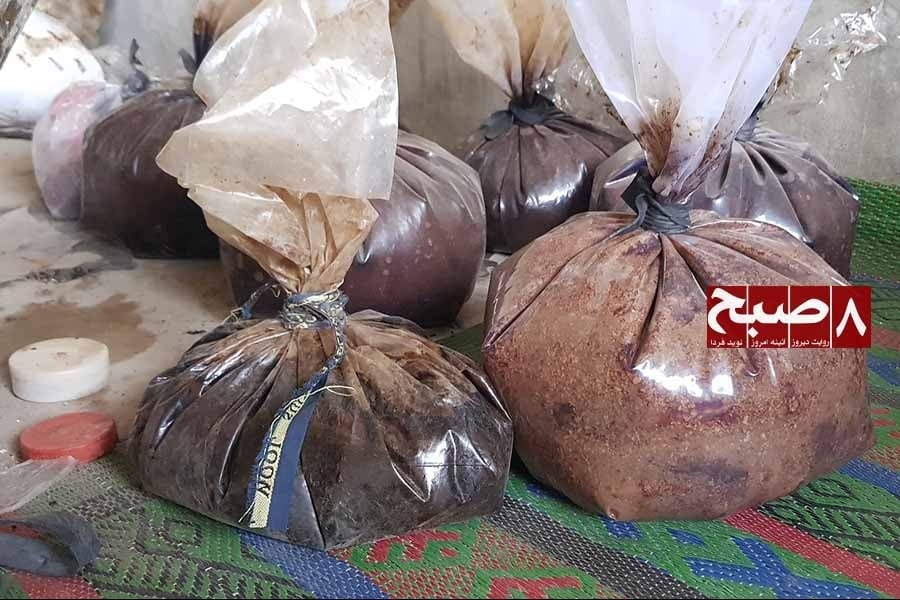
Sharafat Bazaar
The Sharafat bazaar is located about 200 meters from the center of Sangin district. During the former government, it was also one of the important centers for processing, buying, and selling drugs, and it remains active today. Opium and other drugs are openly bought and sold at this bazaar, and hundreds of people work there during the day.
One person involved in the trade at this center, who has been buying and selling opium resin at this bazaar since the time of the former government, says that after the Taliban banned the drug trade in Afghanistan, about 70 percent of the opium in the Sharafat bazaar that traders buy and sell during the day belongs to local Taliban commanders and even high-ranking officials of the group.
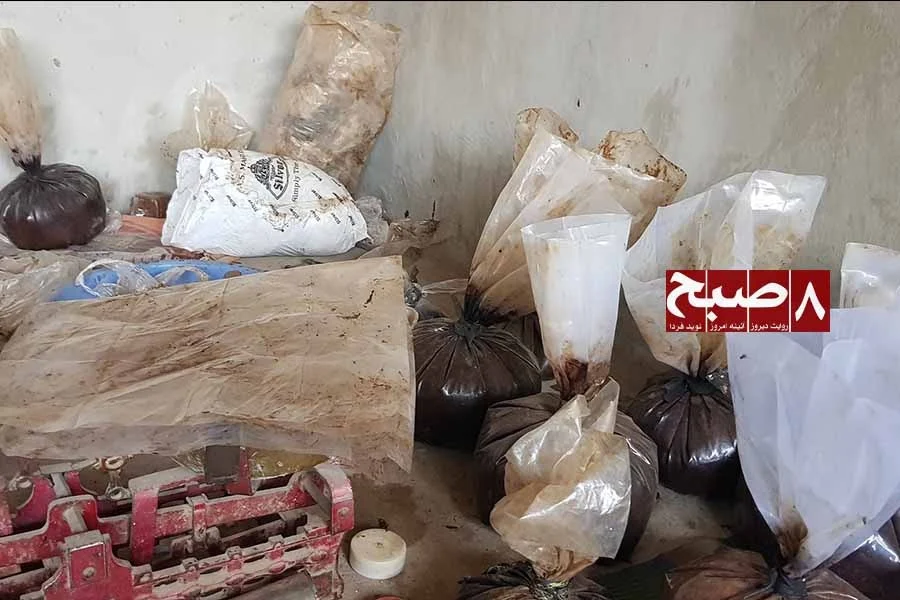
This opium seller adds thatseveralf Talibs have bought thousands of kilograms of drugs from civilians in Helmand, Uruzgan and Kandahar provinces and stockpiled them to raise prices, and they are now bringing these drugs to local markets for trade.
This man says Haji Habibullah Ishaqzai is one of the key traffickers in this district and enjoys strong Taliban support. According to him, Haji Habibullah Ishaqzai currently keeps hundreds of kilograms of opium in his depots and warehouses and, when needed, moves it to active drug markets and sells it. He says Haji Habibullah Ishaqzai received financial help from Abdul Ahad Haji Talib, an important Taliban member, to set up drug storage facilities.
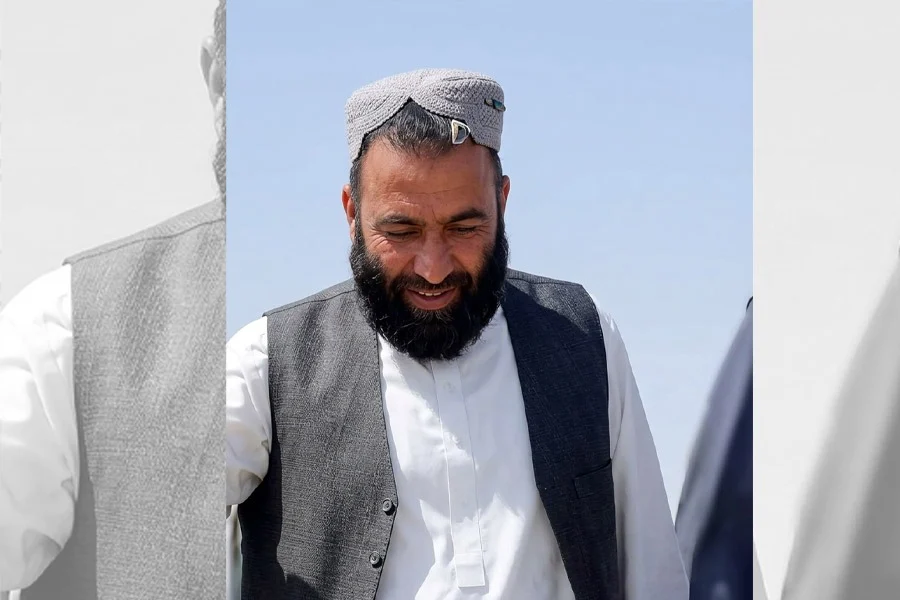
Abdul Ahad Haji Talib is an important Taliban member and the head of Mullah Akhundzada’s security guards. He belongs to the Ishaqzai tribe and served as governor of Helmand in the final years of the former government and the first years of Taliban rule. Afterward, Mullah Akhundzada appointed him commander of the “Hibati Unit.”
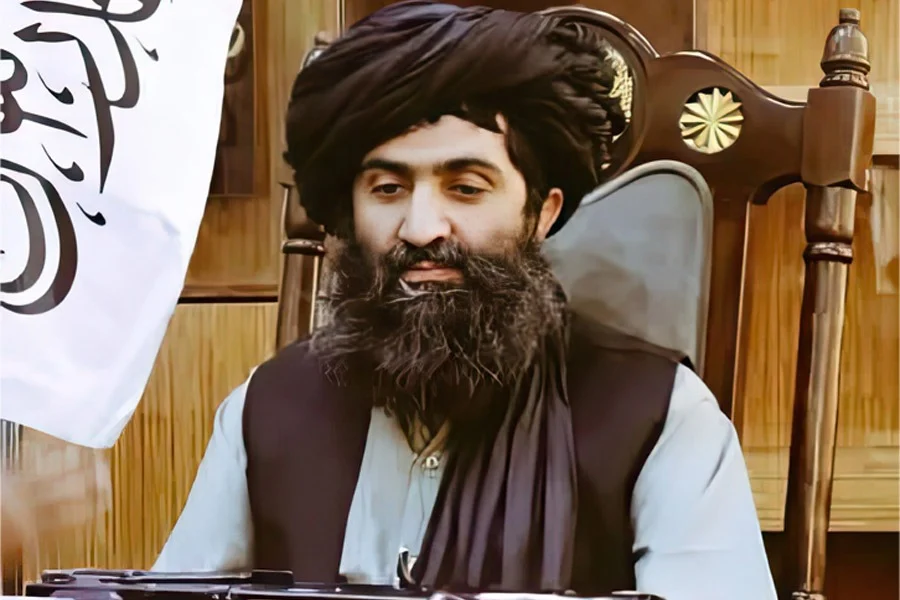
According to one source, besides Abdul Ahad Haji Talib, several Taliban officials who now hold senior positions in Kabul have also invested in opium trading centers in Helmand and earn substantial income from these bazaars.
This source says: “Seventy percent of the investment in the Sharafat bazaar has been made by Taliban leaders and important members. They give money to smaller traffickers, and they trade in opium. Part of the money stays with them, and part goes to their partners. While the Taliban say in the media every day that the drug trade is banned, this is only for show, because all the bazaars are full of drugs and a large share of the profit returns to the Taliban themselves.”
Sarban Kala
Another area in the western part of Sangin district that is now considered one of the major centers for processing, buying and selling drugs, particularly opium, is the “Sarban Kala” area.
One opium seller tells the Hasht-e Subh Daily that the Sarban bazaar has been operating for about 20 years and, during the republic, was also a center for buying and selling weapons in addition to drugs.
This man, who has been trading opium in the Sarban bazaar for eight years, says that even during the former government, senior Taliban leaders had invested in opium stockpiling and had a significant share in this trade. He adds that after the Taliban banned drug cultivation in Afghanistan, it is these same local Taliban military forces who continue to cultivate drugs on their own land and then bring the produce to the Sangin bazaars for sale.
He says that in the first year when the Taliban completely banned poppy cultivation in Afghanistan, the price of one Kandahari maund of opium reached 200,000 Afghanis. But after local Taliban members and area commanders returned to poppy cultivation in hidden fields, the price of opium dropped to between 100,000 and 120,000 Afghanis, and it is now being sold again at the original price of 200,000 Afghanis.
This opium seller adds: “The Taliban are partners in these bazaars and have made very large investments. Every leader has his own people among our traders. These people trade for the Taliban. When a problem arises at the government level, the Taliban leaders stand behind resolving it. In rural areas, they wall off land and grow opium on it, and no one stops them.”
A Helmand farmer also says that in several hidden areas in the northern districts of the province, including Musa Qala, Kajaki, Sangin, Garmsir, Nawzad, Washir, Baghran and Naw Mish, poppy is still widely cultivated, and the Taliban are not making a serious effort to eradicate it. He adds that Helmand traders and senior Taliban members have leased land in remote areas of neighboring provinces to cultivate poppy there.
This farmer says that in 2024 the Taliban closed the opium bazaar known as “Sharafat” in Sangin, but it was closed for only five days and then resumed normal operations.
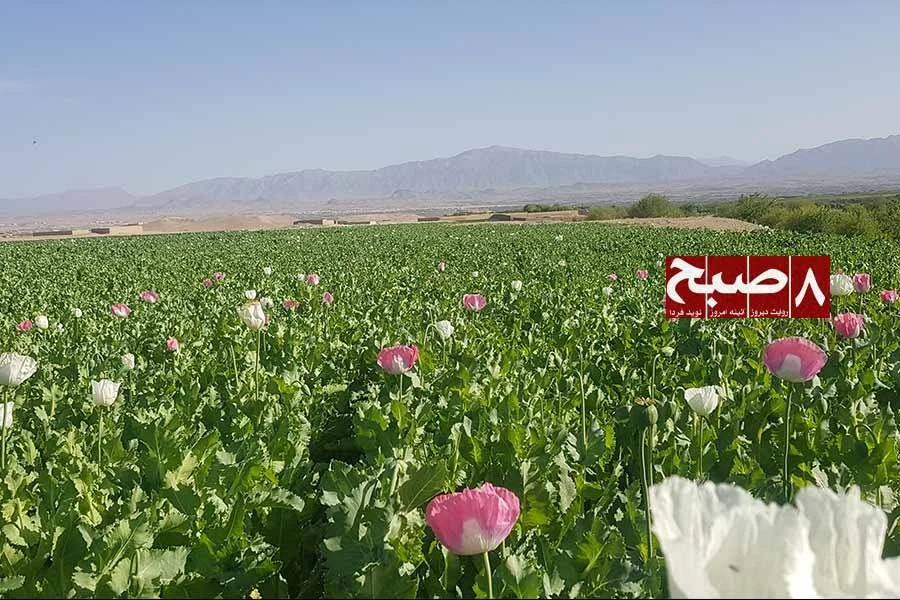
He adds: “A lot of opium is grown in the northern districts. After the harvest, they bring it to the local district bazaars for sale. The Sharafat bazaar was closed once, but it opened again.”
Another Helmand resident also strongly criticizes the Taliban, saying that when the Taliban were not ruling Afghanistan, they themselves demanded some opium from people in the form of “zakat.” But after taking power and gaining access to financial resources, they banned opium cultivation for ordinary people while they themselves engage in drug cultivation and trade.
He says Mullah Akhundzada, the Taliban Supreme Leader, is also aware of this matter but takes no action to eliminate hidden poppy fields and the bazaars where the drug is bought and sold, to protect his personal interests.
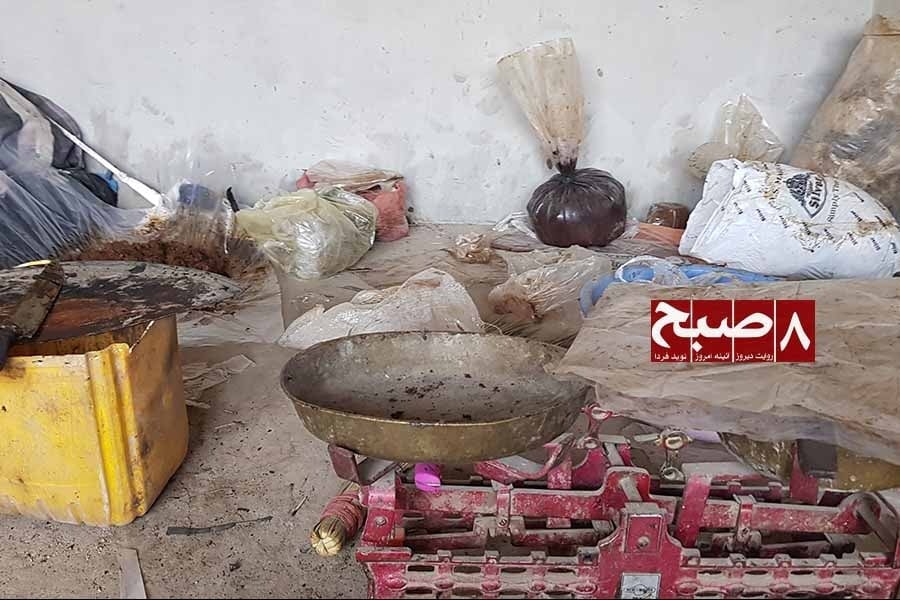
This Helmand resident adds that at present, the major drug bazaars in the province include the Sangin bazaar with about 300 shops, the Musa Qala bazaar, the Bahramcha bazaar and the Chanjir bazaar in Nad Ali district. This resident, who is thoroughly familiar with the opium bazaars, stresses that these are among the largest drug bazaars in Helmand and that opium and other drugs are brought to them from various parts of Afghanistan.
According to opium traders and traffickers in Helmand, the drugs collected from different provinces of this region are moved to international markets through smuggling routes in Pakistan and Iran.
On April 3, 2022, the Taliban published a decree attributed to Hibatullah Akhundzada, the group’s Supreme Leader, stating that from then on the cultivation, production, and trade of drugs in Afghanistan were “prohibited” and that violators would be dealt with according to “Islamic Sharia.” The decree stated: “From the date of issuance of this decree, poppy cultivation is completely banned throughout the country, and no one may attempt to cultivate this plant from now on.”
Since then, numerous reports by the Hasht-e Subh Daily have shown that local Taliban officials have been involved in the drug trade. Recently, the Hasht-e Subh Daily’s field findings in Helmand province show a wide gap between the Taliban’s claims and the group’s actual conduct.
Alongside rising opium prices and trafficking, reports by the United Nations Office on Drugs and Crime (UNODC) point to a growing threat from synthetic drugs, particularly methamphetamine, in Afghanistan. In its World Drug Report 2024, UNODC said there is evidence of increased methamphetamine production in Afghanistan and that the market for this substance could expand in Southwest Asia and beyond as opium production declines. In its 2025 report, UNODC also reported an increase in methamphetamine seizures in and around Afghanistan and described the drop in the drug’s price alongside rising seizures as a sign of increased supply.