
Some environmental experts, as drought and water crises intensify in Kabul, warn that the rainy season provides a valuable opportunity to store water and reduce pressure on water resources. They add that if people and the Taliban focus on managing and collecting rainwater, this measure, if properly implemented, could significantly reduce pressure on groundwater resources. According to them, despite the decline in precipitation in recent years, rainfall during the spring season can still be effectively managed and stored. They emphasize that using simple systems such as collecting rainwater from rooftops into tanks, creating small ponds, and directing water into the ground to recharge groundwater are practical methods that can be implemented both at the household and urban levels.
These experts told the Hasht-e Subh Daily that installing simple rainwater collection systems in homes not only helps reduce the consumption of drinking water but can also be useful for irrigating gardens and other daily uses. They add that developing urban infrastructure, such as standard canals for managing surface water, building small dams, and implementing artificial groundwater recharge projects, are among the measures that can have a significant long-term impact on reducing the water shortage crisis.
However, according to the experts, rainwater collection alone cannot fully resolve Kabul’s water crisis; rather, this method should be considered as part of a broader water resource management plan. Reducing excessive consumption, preventing over-extraction of groundwater, and increasing public awareness are other measures that must be pursued alongside this approach. The experts also warn that in the absence of proper management, rainwater collection systems may face problems such as contamination or water loss.
Sayed Mohammad Sulaimankhail, an environmental expert, says that seasonal rains are one of the key opportunities to mitigate water crises, but this capacity is not being properly utilized. He adds that due to the lack of urban infrastructure, this water is not only unmanaged but also flows across the city and is wasted. He stresses the need for investment in rainwater management and the development of urban infrastructure.
This expert states: “In Kabul, precise, technical, and long-term investment must be made in sewerage systems and the construction of small and large canals for managing surface water and recharging groundwater. On one hand, Kabul faces a severe water shortage, and on the other, rainfall that presents an opportunity is not properly managed. Snow and rainwater must be directed into the ground technically and professionally to reduce part of this problem. The water challenge in Afghanistan is widespread and increasing; not only Kabul, but neighboring provinces are also facing this issue.”
From the perspective of this environmental expert, in the absence of effective management of rain and snow water, these resources can turn from an opportunity into a threat. He continues: “If we fail to manage snow and rainwater, this situation could lead to significant financial losses, while we are simultaneously facing water shortages and drought. Based on preliminary assessments, flash floods, if unmanaged, can cause up to 350 million dollars in damage to Afghanistan annually. Droughts also impose more than 400 million dollars in losses on the country each year.”
Sayed Shah Goharpur, another environmental expert, says that rainwater alone cannot solve the water shortage crisis in the capital; however, alongside other solutions, it can play an important role in reducing vulnerability and managing the water crisis. In his view, such water can meet only 15 percent of Kabul’s water needs. He adds that if properly managed, collecting and storing rainwater can serve as an effective supplementary solution.
Mr. Goharpur says: “The average annual rainfall in Kabul is about 300 to 400 millimeters, while more than six million people live in the city, and there is no regular flow of water resources. High evaporation, climate change, and rising water demand mean that this level of rainfall is by no means sufficient, neither now nor in the future. Currently, there is no water storage system in Kabul, nor effective management of rainwater, while groundwater consumption exceeds its natural recharge.”
According to him, rainwater harvesting projects should begin in areas with organized urban structures and standard buildings. Goharpur emphasizes that for the success of such plans, appropriate policymaking, cultural awareness, and increased public understanding are necessary.
This environmental expert warns that rainwater in Kabul is often acidic and should not be consumed directly. He says: “In large cities, especially Kabul, due to the emission of pollutants, some precipitation occurs in the form of acid rain, which is harmful to agriculture and human health. Without proper management, rainwater can turn from an opportunity into a threat, increasing damage from floods, intensifying poverty, and spreading diseases, especially if used directly without treatment.”
Meanwhile, some residents of Kabul say they collect rainwater on a small scale to irrigate their gardens. They believe this method is effective in coping with drought and helps them make better use of available water.
Noor Agha, a Kabul resident who has a small garden, says he collects rainwater in a small pool at his home and uses it throughout the year. He adds that by using this method, he has been able to keep his garden’s trees and vegetables alive.
This Kabul resident says: “I cannot collect much water because I do not have sufficient equipment, but even this small pool helps. Whenever I need water for irrigation, I use it. I am very concerned that I cannot store more water, because piped water is very expensive. Rainwater is a blessing and should be used. In the past, we also used snow water, and we learned this method from our ancestors. People should learn and implement water collection methods, even if the government takes no action.”
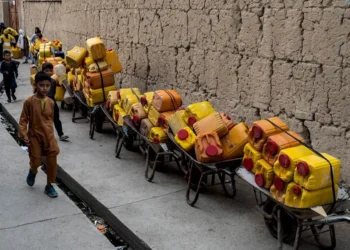
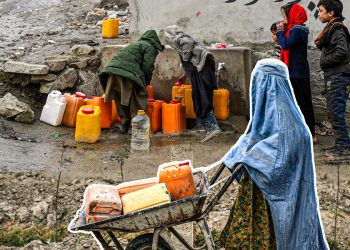
Kabul is among the cities in Afghanistan facing a severe water shortage crisis. According to a United Nations Children’s Fund (UNICEF) report, the groundwater level in the city has dropped by 25 to 30 meters over the past decade, and nearly half of its wells have dried up. Reduced precipitation and the early melting of snow have further increased pressure on water resources and affected the daily lives of residents.
Previously, the non-governmental organization Mercy Corps also reported that Kabul’s groundwater level has declined by up to 30 meters over the past decade due to rapid urbanization and climate change. According to this report, nearly half of the city’s wells, which serve as the main source of drinking water for the capital’s residents, have dried up, and annual water extraction exceeds natural groundwater recharge by about 44 million cubic meters.
Meanwhile, the Japan Times, in a report titled “‘Serious problem’: Afghan capital losing race against water shortages,” wrote that the condition of the capital’s water resources is deteriorating significantly. The report states that if the current trend continues and no effective measures are taken, Kabul’s groundwater could be severely depleted or even run out by 2030.
You can read the Persian version of this report here: