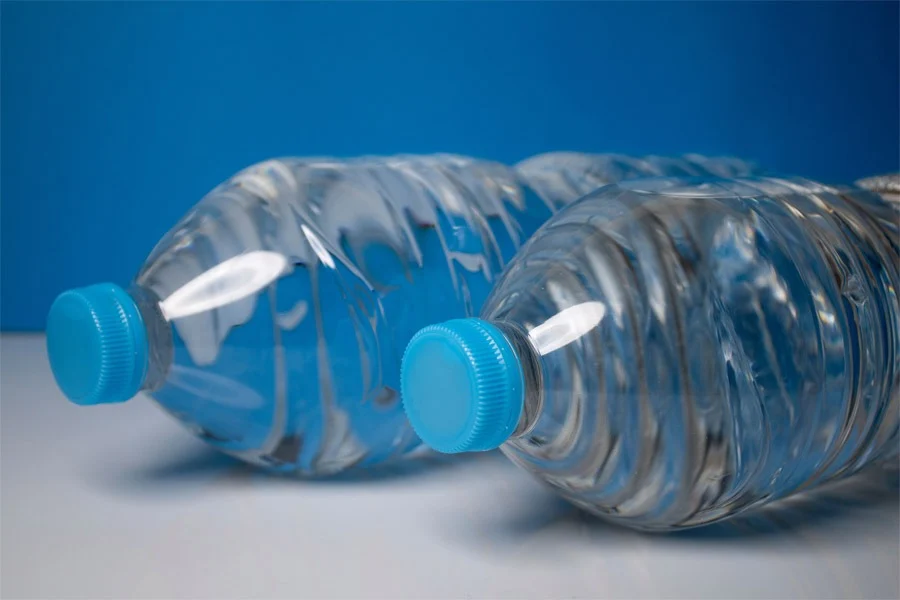
Several residents of Kabul have complained about the quality of the mineral water sold in the alleys from small and large vehicles. They say that although they pay for mineral water, they cannot drink it with peace of mind. They say that despite the poor economic situation, they buy mineral water to keep their family members from falling ill, yet drinking this water also makes their family members sick.
The residents are calling on the Taliban to examine the activities of mineral water companies and monitor the quality of the water supplied, so that families are protected from harm.
Ghulam Reza, a resident of Kabul, complains about the poor quality of the mineral water sold in the alleys from small and large vehicles. According to him, people pay for mineral water but cannot use it with peace of mind.
The Kabul resident says: “The quality of the mineral water they sell behind people’s gates gets worse day by day. Sometimes when I drink it, I feel like it is just ordinary water. We are forced to use a filter as well. Although municipal water is dry most of the time and we have no supply, we still pay for it. On top of that, we also buy mineral water, but we cannot use it with peace of mind.”
Mahmoud (pseudonym), another Kabul resident, says that although several mineral water companies operate in Kabul, the water of most of these companies does not have the required quality and has made his family members ill. According to him, although they are not in good economic condition, they buy mineral water so that his family members do not get sick, but they fall ill even with this water.
The Kabul resident says: “Several mineral water companies are operating in Kabul at the same time, but the water of most of them is not of good quality. It is unclear what materials these companies use. When we pour the water into a glass container, its cloudiness is clearly visible. For the sake of our family’s health, even though our economic situation is not good, we buy mineral water, but they get sick even with this water.”
Mahmoud adds: “Last week, my two children suffered severe diarrhea and nausea. When I took them to the doctor, he said the cause was drinking unhealthy water, even though we always use mineral water.”
Omid (pseudonym), another Kabul resident, calls on the Taliban to examine the activities of mineral water companies so that families are protected from harm. According to him, if the matter involves harassing people or taking bribes, the Taliban act more quickly, but if the issue concerns the public interest, they show indifference.
The Kabul resident says: “We ask the Taliban to examine the activities of mineral water companies and determine what these companies are ultimately feeding people. If the matter involves collecting money or harassing people, the Taliban get to work faster, but they do not think about people’s health and peace of mind.”
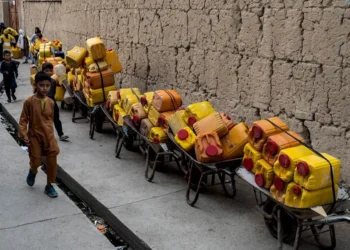
Omid adds: “Some time ago, several people in Barchi fell ill because of contaminated water, to the point that they came close to death. Most people are poor and cannot buy sealed bottles of mineral water from the market. For this reason, they use the water brought into the alleys in small tankers, because it is relatively cheaper.”
Meanwhile, Jabbar (pseudonym), an internal medicine specialist, says that if the water sold in front of people’s homes is not sourced from reliable supplies, is not purified and disinfected to standard, or is kept in unsuitable conditions, it can become contaminated with disease-causing agents.
The specialist says: “Consuming contaminated water can cause digestive system diseases such as diarrhea, vomiting and abdominal pain, and in some cases it can also transmit infectious diseases and fungal infections. In children and the elderly, dehydration caused by these illnesses can be more dangerous.”
Mr. Jabbar adds: “Therefore, our recommendation is that people use safe water from a known source as much as possible, and that health officials also carry out regular monitoring of water sources, the purification process, packaging, transportation and points of sale. The clean appearance of water or the label of mineral water alone cannot guarantee its safety. Water quality must be confirmed based on health standards and the necessary tests.”
This comes as the United Nations High Commissioner for Refugees (UNHCR) said last month that millions of people in Afghanistan still lack access to safe drinking water.
In a message, the agency said that smart urban planning, water management and waste management can help protect water resources, improve hygiene conditions and build healthier communities.
Water shortages, drought and weak water supply infrastructure are among the factors that have made it difficult for people to access safe water.
You can read the Persian version of this report here:
آب معدنی؛ محصولی برای سلامت یا عاملی برای بیماری خانوادههای کابل؟