Several teachers and students at Kandahar University say the intense and persistent monitoring and pressure from the Taliban Morality Police have severely affected the academic atmosphere of the university. According to them, the Taliban Morality Police continuously inspect administrative offices and classrooms for the beards, caps, and turbans of teachers and students, and treat those who do not follow these Taliban rules harshly.
In a new move, the Taliban-controlled Ministry of Higher Education has once again warned teachers and administrative staff at Kandahar University to take part in an exam on the Law for the Propagation of Virtue and Prevention of Vice.
Sources at the university say that Morality Police from the Ministry for the Propagation of Virtue and Prevention of Vice have told all teachers and administrative staff that they will be tested on this law at the start of the week. According to the sources, teachers and staff have been told to memorize the articles and provisions of the law in full so that they can answer the Morality Police’s questions. They say the exam will be held orally.
Safi (pseudonym), a Kandahar University lecturer, says: “We are at the beginning of the academic year. Curricula and related matters must be arranged in an orderly manner from the start so that we can reach our set goals over the course of the year. But the Taliban are disrupting this entire process with such unnecessary measures. These measures are carried out solely to humiliate teachers. Now a professor has to answer the questions of an illiterate Morality Police member.”
Sources say that two separate departments, named Dawat and Irshad (Invitation and Guidance) and Ahkam and Farameen (Rulings and Decrees), have been established at the university. According to the sources, seven Taliban Morality Police members monitor teachers and students through this office. These Morality Police members continuously visit administrative offices and classrooms and examine the appearance, clothing, beards, caps, and turbans of teachers and students.
The sources claim that if a teacher or student does not wear a cap or turban in class, or if his beard does not meet the standards set by the Taliban, the Morality Police treat him in an insulting and demeaning manner.
Gul (pseudonym), a student, says: “We listen carefully to the teacher’s lesson, but suddenly several Morality Police members enter the classroom without permission. All our attention is on the lesson, but everything is disrupted when they enter. They inspect the appearance of the teacher and students to see who is sitting in class without a cap or turban, or who has trimmed his beard. They use insulting words over very minor issues and humiliate the students in the class.”
University sources also add that three Mullahs work in the Ahkam and Farameen department who were appointed directly by the office of Mullah Hibatullah Akhundzada, the Taliban Supreme Leader, and who separately monitor the activities of the university’s teachers and administrative staff. According to the sources, these individuals pay particular attention to the use of smartphones and similar matters by teachers and administrative staff, and sometimes also search their pockets and the desks in administrative offices.
Shafi (pseudonym), another Kandahar University lecturer, says that the Taliban’s current pressures have created serious problems for the university’s academic system. According to him, efforts to enforce the Taliban’s strict policies through force and pressure on teachers and students have restricted the space for research and are lowering the quality of education.
Students at Kandahar University who have come from remote provinces and districts also complain about problems with access to dormitories, food, and alternative meal allowances.
Matin (pseudonym), a student at the university, says there are neither enough facilities in the dormitory nor timely attention to the problems of students who are deprived of dormitory accommodation. He says: “Students who live in the dormitory also complain about the quality of the food. Students like me, who are deprived of dormitory accommodation, face many problems in receiving the alternative meal allowance. Sometimes they reject our forms on the pretext that we do not have a beard, and sometimes they raise the cap and turban as a criterion. A place like this can no longer be called an academic center.”
Findings by the Hasht-e Subh Daily show that this problem is not limited to Kandahar University. According to statements from teachers and students at various universities, cases of discrimination, insults, and constant monitoring of teachers and students by Taliban officials and Morality Police from the Ministry for the Propagation of Virtue and Prevention of Vice have been reported.
Teachers and students believe the main duty of universities should be to expand knowledge, conduct research, strengthen critical thinking, and enhance professional capacities. However, they say that constant monitoring of appearance, clothing, and other personal matters has diverted the scholarly environment of universities from its true path.
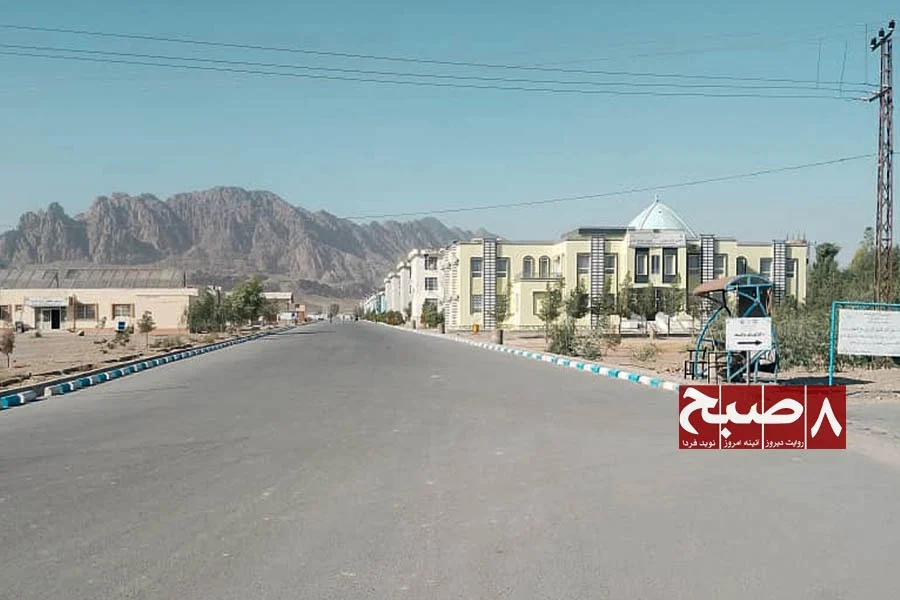
Kandahar University, located in the western part of Kandahar city in District 9, is reported to have 12 faculties, around 4,000 students, and more than 300 teachers.
You can read the Persian version of this report here: